


Tucked deep within the lush rainforests of North Sumatra, Tangkahan is a destination unlike any other. Known as the “Hidden Paradise” of Sumatra, this small jungle village is part of the Gunung Leuser National Park, one of the most important tropical ecosystems on the planet. While nearby Bukit Lawang has become more popular with tourists seeking orangutan treks, Tangkahan remains peaceful and untouched, offering raw, authentic, and unforgettable experiences in nature.
So — where exactly is Tangkahan? Why is it so special? And how can you get there? This comprehensive guide answers all your questions, whether you’re a backpacker, an eco-traveler, or someone seeking off-the-grid adventure in Indonesia.
Where Is Tangkahan Located?
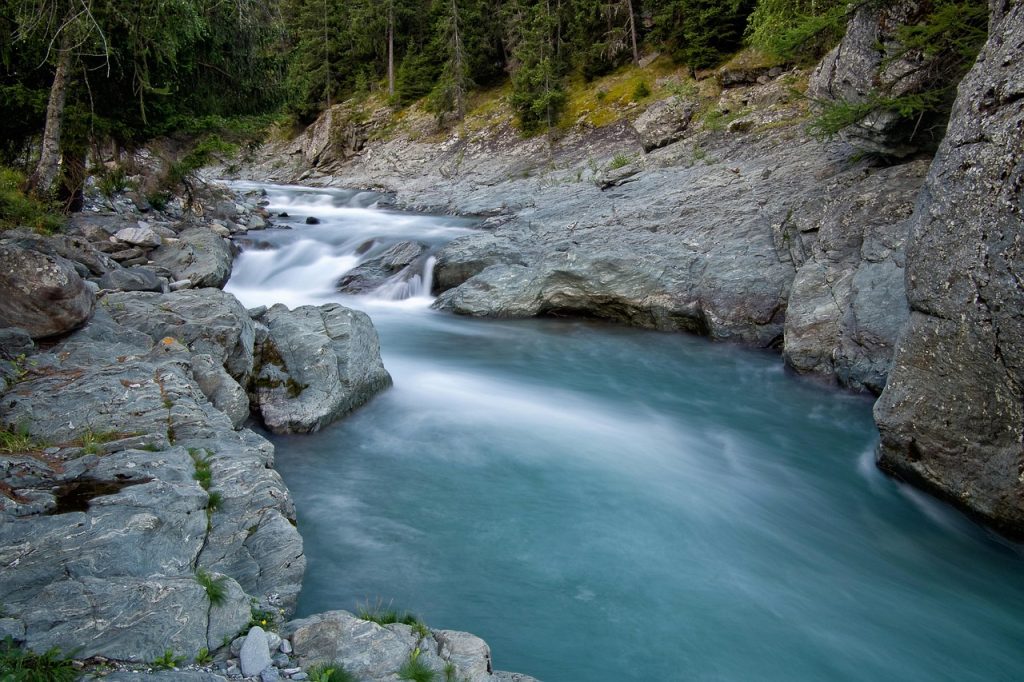
Tangkahan is a small village situated in the Langkat Regency of North Sumatra, Indonesia. It lies at the edge of Gunung Leuser National Park, a UNESCO-listed biosphere reserve that spans over 7,927 square kilometers of tropical rainforest, shared between North Sumatra and Aceh provinces.
Geographically, Tangkahan is:
- Approximately 120 km northwest of Medan (Sumatra’s largest city)
- About 2.5 to 3 hours from Bukit Lawang (a better-known orangutan tourism hub)
- Positioned along the Batang Serangan River, surrounded by dense jungle, waterfalls, and natural hot springs
Despite being relatively close to Medan, Tangkahan feels worlds away from the noise and rush of city life.
What Makes Tangkahan Special?
Tangkahan is not your typical tourist destination. It’s a place where ecotourism meets conservation, where nature is both powerful and protected, and where local communities have committed to preserving their environment.
Here’s what makes it so unique:
1. Eco-Tourism and Conservation
Tangkahan is a community-run ecotourism area. It was established in the early 2000s by former illegal loggers who transformed their livelihood toward protecting the forest instead. This shift created a sustainable tourism model where visitors directly support conservation and local families.
2. Elephant Patrols
One of Tangkahan’s most famous features is the Sumatran elephant conservation patrol. These semi-wild elephants are used by rangers to protect the forest from illegal activities. Visitors can observe or help bathe the elephants in the river, though riding is no longer promoted, in line with ethical tourism practices.
Also read: 17 Hidden & Famous Tourist Spots in Bali You Can’t Miss
3. Jungle Treks Without Crowds
Unlike Bukit Lawang, where orangutan sightings can involve groups of tourists, Tangkahan offers solitary, quiet jungle treks through pristine rainforest. Wildlife here is shy but includes:
- Sumatran orangutans
- Thomas leaf monkeys
- Gibbons
- Hornbills and exotic birds
4. Natural Hot Springs and Waterfalls
The area is rich in natural wonders. Don’t miss:
- Air Terjun Gelugur – a scenic waterfall where you can swim
- Natural hot springs tucked beside the river
- River tubing adventures through the jungle
5. Authentic Village Life
There are no big hotels or noisy bars in Tangkahan. Instead, you’ll find locally-run guesthouses, home-cooked food, and genuine interaction with the people who live in and protect the forest.
How to Get to Tangkahan
Getting to Tangkahan can be a bit of a journey, but it’s part of the adventure — and well worth the effort.
From Medan (Kuala Namu International Airport)
- By Private Car or Taxi
- Duration: ~4 to 5 hours
- Cost: Around IDR 800,000 – 1,200,000 (depending on negotiation)
- Best option for comfort and direct access
- Duration: ~4 to 5 hours
- By Shared Shuttle or Public Transport
- Take a bus or shared taxi from Medan to Binjai or Batang Serangan
- Transfer to a local jeep or motorbike to Tangkahan
- Duration: ~6 to 8 hours total
- Budget option, but less convenient
- Take a bus or shared taxi from Medan to Binjai or Batang Serangan
From Bukit Lawang
- Private Jeep or Motorbike Taxi
- Duration: ~2.5 to 3 hours via bumpy jungle roads
- Many travelers combine both locations for a full Sumatra jungle experience
- Duration: ~2.5 to 3 hours via bumpy jungle roads
Note: The final stretch includes unpaved roads, so 4WD vehicles or local knowledge is essential. In the rainy season (Oct–April), roads may be muddy and slow.
Where to Stay in Tangkahan
Tangkahan offers a range of simple eco-lodges and guesthouses. These aren’t luxury resorts — but they’re clean, comfortable, and fully immersed in nature.
Top Lodging Options:
- Jungle Inn – Riverside bungalows, friendly family-run vibe
- Jungle Lodge – Eco-bungalows with great views and jungle sounds
- Green Lodge Tangkahan – Budget-friendly, with hammocks and home-cooked meals
Most accommodations can help arrange tours, guides, elephant bathing, and transport.
Things to Do in Tangkahan
While it’s a peaceful place, there’s no shortage of things to do:
| Activity | Description |
| Jungle Trekking | Guided hikes from 2 hours to 2 days through Gunung Leuser |
| Elephant Observations | Learn about forest patrol elephants and watch them bathe |
| River Tubing | Float through the jungle on a tube with a local guide |
| Waterfall Hikes | Visit Air Terjun Gelugur and other hidden falls |
| Natural Hot Springs | Soak in mineral-rich pools along the riverbank |
| Community Visits | Learn about local life, culture, and forest protection efforts |
Best Time to Visit Tangkahan
| Season | Months | Conditions |
| Dry Season | May – September | Best for trekking and river activities |
| Rainy Season | October – April | Lush scenery but muddy roads and limited access |
What to Pack for Tangkahan
Because Tangkahan is remote and rustic, packing properly is essential:
- Lightweight long-sleeved clothes (for bugs & sun)
- Quick-dry hiking gear and swimwear
- Sturdy trekking shoes or sandals with grip
- Eco-friendly insect repellent
- Refillable water bottle
- Flashlight/headlamp (limited electricity at night)
- Power bank (some lodges have no constant power)
Also read: Where is Bukit Lawang? A Guide to Sumatra’s Orangutan Sanctuary
Responsible Travel Tips
- Avoid plastic: Bring reusable bags and bottles
- Respect wildlife: Keep your distance and avoid feeding animals
- Support locals: Choose local guides, stay at family-owned lodges
- Be patient: Things move slower in the jungle — enjoy the pace!
Final Thoughts: Is Tangkahan Worth Visiting?
Absolutely — Tangkahan is a hidden gem for travelers who want real nature, not curated experiences. It’s a place where you can truly disconnect, breathe in jungle air, and feel the heartbeat of the rainforest. It’s not flashy or convenient, but that’s what makes it special.If you’re heading to North Sumatra and want an experience that balances adventure, conservation, and culture — make Tangkahan a part of your journey.


I'm a manager of Jungle Inn Hotel in Bukit Lawang and a leading expert in Bukit Lawang eco-travel. With years of experience in sustainable tourism, i am dedicated to preserving the region’s rich biodiversity while providing authentic jungle experiences for visitors.
