


Kapas Biru Waterfall—locally known as Air Terjun Kapas Biru—is a hidden treasure nestled deep within the lush landscapes of East Java, Indonesia. With its towering drop, dramatic cliffs, and mesmerizing turquoise waters, Kapas Biru has earned a reputation as one of the most photogenic and awe-inspiring waterfalls in the region. But its remote and relatively untouched location also means that reaching this natural wonder requires a bit of adventure and planning.
In this comprehensive travel guide, we will take you through everything you need to know about visiting Kapas Biru Waterfall in 2025—from where it is, how to get there, what to prepare, nearby attractions, and local tips to make your journey smooth and unforgettable. Whether you’re a seasoned adventurer or a casual nature enthusiast, Kapas Biru promises an experience that will leave you in awe of Indonesia’s natural beauty.
Where Exactly Is Kapas Biru Waterfall?
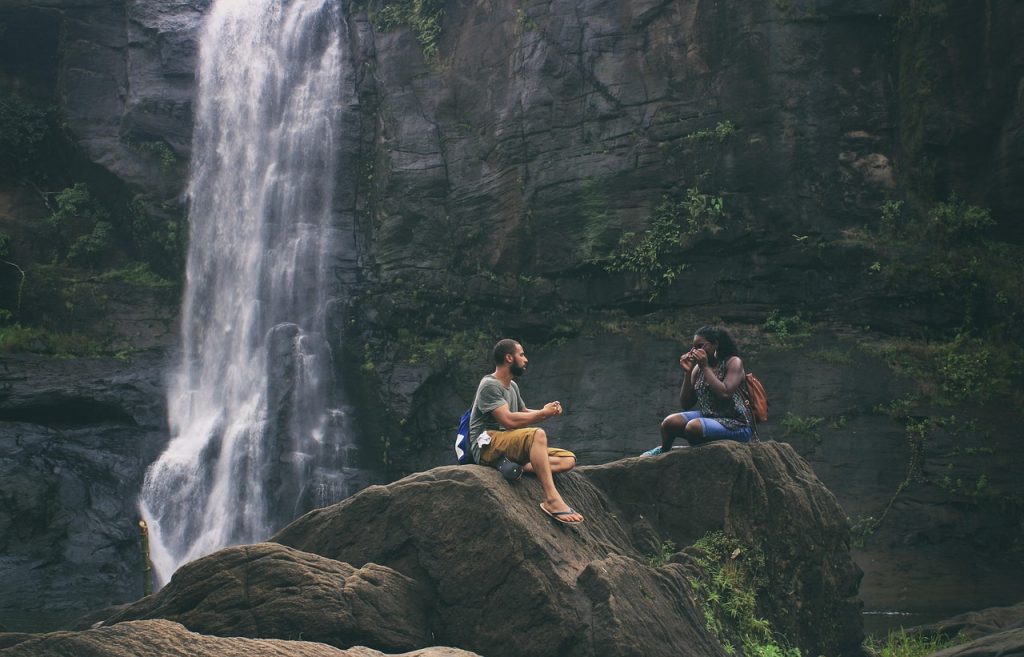
Geographic Location:
Kapas Biru Waterfall is located in Pronojiwo District, Lumajang Regency, in the province of East Java, Indonesia. It’s situated at the foot of the majestic Mount Semeru, Indonesia’s highest volcano, making the area rich in biodiversity and volcanic landscapes.
Coordinates:
- Latitude: -8.1776
- Longitude: 112.9492
Kapas Biru is one of several spectacular waterfalls in the region, including the famous Tumpak Sewu and Goa Tetes, often collectively referred to as the “waterfall triangle” of East Java.
How to Get to Kapas Biru Waterfall
From Surabaya (East Java’s capital city):
- Distance: Approximately 190 km
- Travel time: 6–8 hours by car or motorbike
Route Options:
- Surabaya → Malang → Dampit → Pronojiwo → Kapas Biru
- Surabaya → Lumajang → Pronojiwo → Kapas Biru
Malang is often preferred for its tourist facilities and beautiful highland scenery, while the Lumajang route is more direct but less traveled.
Nearest Town:
- Pronojiwo Village is the closest access point and where you can find local homestays, food stalls, and guides.
Also read: 10 Medicinal Plants You Can Find on a Jungle Trek in Bukit Lawang
Entry Point & Trekking Information
Entrance Fee (as of 2025):
- Domestic tourists: IDR 15,000
- International tourists: IDR 25,000
Parking:
There’s a parking area near the entrance (IDR 5,000 for motorbikes, IDR 10,000 for cars). From here, the adventure begins.
Hike to the Waterfall:
- Trekking Distance: ~1.5 km (one way)
- Duration: 30–45 minutes
- Difficulty: Moderate to Challenging
The trek begins with descending narrow dirt paths, bamboo bridges, and a rocky riverbed. You’ll pass small farmlands, thick jungle, and finally reach the dramatic 100-meter-tall Kapas Biru Waterfall. The name “Kapas Biru” means “Blue Cotton,” referencing the ethereal mist and blue hues created by the waterfall’s spray against the volcanic rock.
Note: Good footwear, stamina, and basic fitness are recommended. The trail can be slippery, especially in the rainy season (November–March).

Best Time to Visit
The dry season (April to October) is the ideal time to visit Kapas Biru. During these months, the trail is more accessible, and water clarity is at its peak. However, arriving early in the morning is advisable to avoid heat, crowds, and catch the best lighting for photography.
What to Bring
- Sturdy trekking shoes or hiking sandals
- Rain poncho or light waterproof jacket (just in case)
- Reusable water bottle
- Snacks or light food
- Waterproof bag or dry sack for electronics
- Camera or drone (if permitted)
- Extra clothes (for changing after a swim)
Facilities Available
While the site remains relatively untouched to preserve its natural beauty, basic facilities are available near the parking area:
- Simple toilets
- Local warungs (food stalls) selling noodles, snacks, and coffee
- Local guides (recommended for first-timers or solo travelers)
There are no permanent facilities near the waterfall itself—pack out all trash and respect nature.
Nearby Attractions
Exploring Kapas Biru often leads travelers to other spectacular destinations:
Tumpak Sewu Waterfall
Often dubbed “Indonesia’s Niagara Falls,” this horseshoe-shaped cascade is just a few kilometers away.
Goa Tetes Cave Waterfall
A mystical cave with a small waterfall and intricate rock formations—perfect for photography and exploration.
Mount Semeru Trekking Basecamp (Ranu Pane)
Adventurous travelers might use this area as a base before ascending Mount Semeru (permit required).
Where to Stay
While you won’t find five-star resorts here, you’ll find cozy accommodations and homestays with authentic Javanese hospitality.
Popular Options:
- Homestays in Pronojiwo village
- Guesthouses in Lumajang or Dampit
- Eco-lodges and camping areas closer to the waterfalls
Tip: Book in advance if visiting during weekends or holidays, especially if you’re combining the trip with Tumpak Sewu.
Cultural & Environmental Considerations
- Always ask permission before taking photos of locals or private land.
- Respect local customs and traditions. Modest clothing is appreciated.
- Don’t litter—bring back everything you bring in.
- Avoid playing loud music near the waterfall area—many locals consider the area sacred.
Also read: Where is Bukit Lawang? A Guide to Sumatra’s Orangutan Sanctuary
Travel Tips & Safety
- Start early in the day to avoid trekking in the dark.
- Weather check before going, especially in the rainy season.
- Go with a guide if you’re unsure about the trail or don’t speak Bahasa Indonesia.
- Stay hydrated, and don’t push yourself if you’re not used to trekking.
Conclusion
Kapas Biru Waterfall isn’t just another photo-op or Instagram stop—it’s an immersive journey into one of Indonesia’s most stunning natural environments. From its thunderous roar and mist-filled canyon to the challenging but rewarding trek that leads to it, Kapas Biru offers the kind of experience that stays with you long after your shoes are dry.
If you’re planning a trip through East Java in 2025, don’t miss the opportunity to witness this majestic force of nature. Whether you’re a photographer, a nature lover, or just looking to step off the beaten path, Kapas Biru Waterfall will surely be a highlight of your journey.
FAQs
Q: Is Kapas Biru Waterfall safe for kids or elderly?
A: The trail may be too challenging for young children or elderly individuals with mobility issues.
Q: Is swimming allowed at the base of the waterfall?
A: Yes, but be cautious of slippery rocks and strong currents during the rainy season.Q: Can I visit Kapas Biru and Tumpak Sewu in one day?
A: Yes, it’s possible with an early start and good planning, but you’ll be tired—consider staying overnight nearby.


I'm a manager of Jungle Inn Hotel in Bukit Lawang and a leading expert in Bukit Lawang eco-travel. With years of experience in sustainable tourism, i am dedicated to preserving the region’s rich biodiversity while providing authentic jungle experiences for visitors.