


Scattered across the cerulean waters of the Banda Sea, the Banda Islands remain one of Southeast Asia’s most remote and breathtaking archipelagos. Often overshadowed by destinations like Bali and Lombok, this cluster of volcanic islands in eastern Indonesia offers a rare combination of pristine natural beauty, rich history, and laid-back island life. For travelers seeking adventure off the beaten path, the Banda Islands deliver a timeless experience that feels both deeply authentic and quietly profound.
The allure of the Banda Islands lies in their remoteness. Unlike many well-touristed tropical paradises, this region sees relatively few visitors. What awaits those who make the journey is an intimate connection with an environment that seems untouched by mass tourism: coral reefs teeming with life, calm lagoons framed by ancient volcanoes, historic forts, and welcoming island communities that preserve centuries-old traditions.
Whether you are drawn to snorkeling and diving, colonial history, or simply unplugging from the pace of modern life, the Banda Islands offer a journey that feels uniquely rewarding.
Where the Banda Islands Are and Why They Are Special
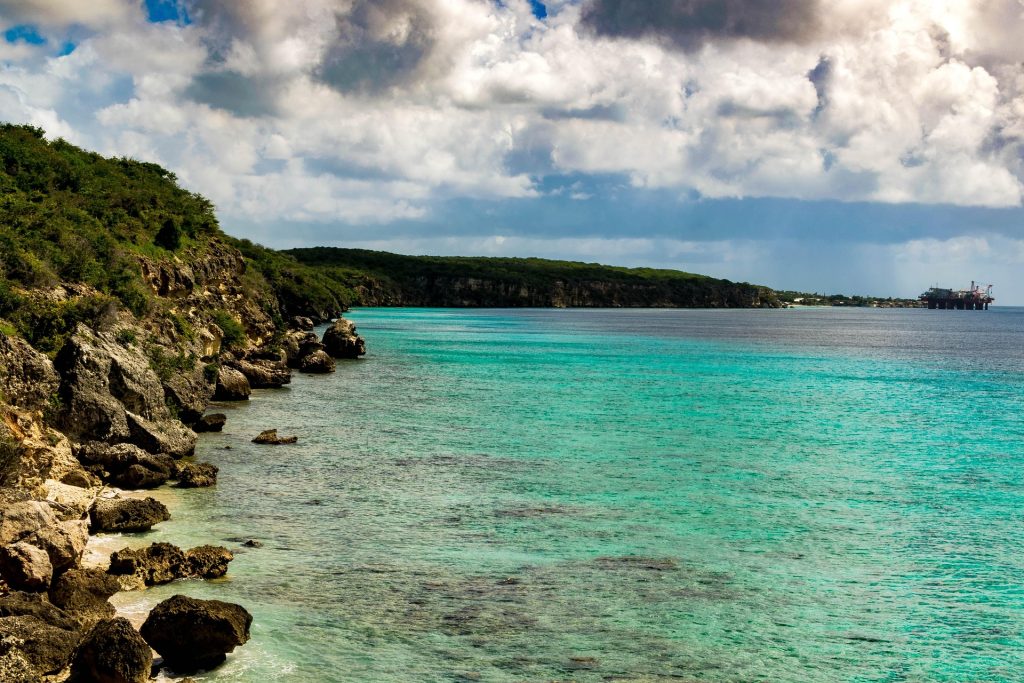
Located in the Maluku province of Indonesia, the Banda Islands comprise a group of small volcanic islands in the Coral Triangle the global epicenter of marine biodiversity. This region was once the world’s only source of nutmeg and mace, making it the focus of intense trade and colonial competition in the 16th and 17th centuries.
Today, the islands are far removed from the hectic tourism circuits found elsewhere in Indonesia. Their relative isolation requiring multiple flights and inter-island boat connections keeps visitor numbers low, preserving both local culture and ecosystems. The result is a destination where nature feels immersive, intact, and deeply compelling.
Also read: Healthy Eating in Bukit Lawang: A Guide for Travelers and Veggie Lovers
Natural Beauty: Land and Sea in Harmony
The landscape of the Banda Islands is a striking study in contrasts. Volcanic peaks rise from lush green terrain, framed by coconut palms and interspersed with small villages. The surrounding seas are astonishingly clear, with coral gardens, underwater lava formations, and a kaleidoscope of marine life easily visible even from the surface.
The islands’ geological origins create dramatic scenery. Ancient volcanoes like Gunung Api (Fire Mountain) dominate the skyline, their slopes descending steeply into deep blue waters. These volcanic formations not only shape the views but also contribute to the nutrient-rich marine environments that make the Banda Sea a diver’s paradise.
Above water, sandy beaches, rocky headlands, and narrow coves invite exploration. Below the surface, coral gardens, pelagic species, and colorful reef fish create unforgettable snorkeling and diving experiences.

Marine Life and Underwater Wonders
The Banda Sea sits within the Coral Triangle, a region celebrated for its unparalleled marine biodiversity. For underwater enthusiasts, this means crystal-clear visibility, vibrant coral formations, and encounters with a staggering variety of species.
Snorkeling and scuba diving around the islands reveal gardens of hard and soft corals, sea turtles gliding gracefully, schools of tropical fish, and occasionally reef sharks patrolling the depths. Many of the dive sites in the region remain uncrowded, allowing for a tranquil and personal encounter with the underwater world.
From shallow coral gardens perfect for beginners to deeper walls and bommies that challenge experienced divers, the Banda Islands offer a range of aquatic experiences. Even casual snorkelers can enjoy vibrant marine life within easy reach of shore.
History and Heritage: The Spice Islands Legacy
Long before the Banda Islands became a destination for modern travelers, they held a central role in global trade. In the 16th century, these islands were the world’s only source of nutmeg and mace—two highly prized spices that commanded exorbitant prices in Europe and the Middle East.
The arrival of Portuguese, Spanish, and eventually Dutch traders sparked intense competition for control of the spice trade. The Dutch East India Company established a stronghold in the region, constructing forts and consolidating spice production under strict colonial rule.
Today, remnants of this history remain visible. Fort Belgica, one of the most well-preserved Dutch fortifications in Indonesia, stands proudly on Banda Neira hilltop, offering panoramic views of the harbor and surrounding islands. Exploring this fort and other historical sites provides a compelling look into a period when these remote islands shaped global economics and colonial politics.
The Main Islands: Banda Neira, Banda Besar, and Beyond
Banda Neira
The heart of the archipelago, Banda Neira is both a village and the main jumping-off point for exploration. Its small harbor is framed by volcanic peaks, colorful wooden boats, and a sense of gentle energy that feels far removed from urban hustle.
The island’s historic sites, including Fort Belgica and Fort Nassau, offer fascinating glimpses into colonial history. Meanwhile, the town itself has a relaxed rhythm—local markets, seaside cafes, and narrow paths that invite slow exploration.
Banda Besar
Just a short boat ride from Banda Neira, Banda Besar is larger and less developed, with quiet beaches and dense coconut plantations. Here, the pace of life is even slower, making it ideal for travelers seeking solitude amid natural surroundings.
Pulau Hatta and Pulau Ai
Smaller islands like Pulau Hatta and Pulau Ai add additional layers of beauty to the archipelago. Each has its own character—Hatta is known for quiet coves and excellent snorkeling, while Ai offers dramatic volcanic backdrops and more remote exploration.
Activities and Experiences in the Banda Islands
The variety of activities in the Banda Islands goes beyond typical beach relaxation. While sunbathing and swimming are wonderful ways to enjoy the scenery, there are deeper experiences that make this destination so memorable.
Island Hopping and Boat Tours
Exploring the archipelago by boat is a highlight of any trip. Daily boat tours connect the main islands, allowing visitors to visit secluded beaches, hidden coves, and snorkeling spots that are unreachable by land. Each day feels like an invitation to discover something new—from a quiet cove to a secluded reef teeming with fish.
Guides often include fresh coconut water, local snacks, and time for swimming or picnicking on white-sand beaches.
Diving and Snorkeling
The underwater world around the Banda Islands is a primary draw for many visitors. Sites range from shallow reef gardens to deeper drop-offs and walls that reveal large pelagic species. The clarity of the water and the richness of marine life make every dive unforgettable.
For snorkelers, the vibrant colors and diversity are accessible even without gear. Many beaches and rocky points offer excellent views of coral and fish just below the surface.
Volcano Hikes and Nature Walks
The volcanic terrain invites exploration on land as well. Trails lead up gentle slopes and through coconut groves, offering elevated views of the sea and nearby islands. Sunrise and sunset hikes, in particular, provide stunning panoramas that reward early risers and evening wanderers alike.
These hikes can range from easy walks to more challenging ascents, suitable for travelers with varying fitness levels.
Historical and Cultural Tours
Visiting historic forts and learning about the spice trade is not only educational but deeply enriching. Local guides often share stories passed down through generations, adding personal and cultural context to the colonial history.
In town, markets offer glimpses of local life—fresh produce, handmade crafts, and spices that connect the past with the present.
Relaxation and Beach Time
Of course, part of the beauty of the Banda Islands is simply being present. Quiet beaches with coconut palms, soft sand, and gentle tides invite visitors to rest, read, nap, or watch the horizon stretch endlessly.
Beachfront hammocks and small local cafes provide perfect spots for slow afternoons.
Local Flavors: What to Eat and Drink
Cuisine in the Banda Islands is influenced by local ingredients, seafood, and the spice legacy of the region. Fresh fish, prawns, and squid are staples, often grilled or cooked with coconut and local spices. Meals are typically served with rice and fresh vegetables, creating a balance of flavors that reflects the day’s catch and seasonal produce.
Nutmeg and mace, once the islands’ most famous exports, still play a role in local cuisine and snacks. Enjoying a meal here feels rooted in place and culture—simple, fresh, and rich with context.
Coconut water straight from the shell is a refreshing favorite among travelers, while small local cafes serve strong Indonesian coffee and tropical fruit juices.
Where to Stay: From Homestays to Boutique Bungalows
Unlike more commercialized island destinations, accommodations in the Banda Islands range from basic homestays to comfortable guesthouses and boutique bungalows. Many are family-run, offering personalized hospitality and home-cooked meals.
Homestays provide the most affordable and authentic cultural experiences, while mid-range lodgings offer private rooms, views of the sea, and direct access to beaches. A few boutique options blend local materials and design with modern comforts, perfect for travelers seeking a bit more luxury without losing the island’s intimate feel.
Staying close to the water—either on Banda Neira or nearby islands—means waking up to gentle sea breezes and the sound of waves, a rhythm that defines the island experience.
When to Visit: Best Seasons and Weather
The Banda Islands enjoy a tropical climate, with relatively consistent temperatures year-round. There are, however, seasonal differences that affect weather and travel conditions.
The dry season, typically from May to October, offers calm seas, clear skies, and excellent conditions for diving and boating. This is generally regarded as the best time to visit if your focus is marine exploration and outdoor activities.
The wet season, from November to April, brings occasional rain showers and a lush, green landscape. While travel conditions may be less predictable, the islands are quieter and life feels even more relaxed.
Regardless of season, packing lightweight clothing, sun protection, and water-resistant gear will help ensure a comfortable trip.
Also read: Hydra Island: A Complete Guide to Greece’s Car Free Paradise
Travel Tips for an Unforgettable Visit
Traveling to the Banda Islands requires a bit more planning than mainstream destinations, but thoughtful preparation makes the experience even more rewarding:
- Transportation: Most travelers arrive via Ambon or other regional hubs and then take ferries or boats to the islands. Schedules can vary due to weather, so flexibility is key.
- Cash Economy: Many businesses operate on a cash basis, so having sufficient local currency is important.
- Respect Local Culture: The island communities are close-knit with strong traditions—respectful behavior and openness to cultural exchange enrich your visit.
- Eco-Aware Travel: Protecting marine life and local ecosystems is essential. Using reef-safe sunscreen, minimizing plastic use, and supporting responsible tour operators contribute to sustainability.
- Health Essentials: Bring basic medications and essentials, as supplies may be limited on smaller islands.
Why the Banda Islands Remain Indonesia’s Most Untouched Paradise
In an era of over-crowded beaches and commercialized resorts, the Banda Islands stand out as a destination that feels genuinely unspoiled. The islands’ remoteness has preserved both natural ecosystems and local way of life, allowing visitors to connect with unfiltered beauty and authentic culture.
Here, history and nature intersect in dramatic and meaningful ways. The story of the spice trade, the legacy of colonial forts, and the vibrant underwater world coalesce into an experience that is both educational and transformational. Travelers who make the effort to reach these islands are rewarded not just with stunning views, but with a sense of connection to a place that feels timeless.
Banda Islands is not simply another tropical destination; it is Indonesia’s most untouched paradise a place to breathe deeply, explore freely, and remember that the world still has places where beauty is abundant and crowds are few.


I am a seasoned travel, explorer, and storyteller whose journeys have taken me across continents for more than a decade. With a passion for uncovering hidden gems, authentic cultures, and extraordinary landscapes, i have built a reputation as a trusted voice in the world of travel.
From trekking through remote mountain villages in the Himalayas to discovering vibrant street cultures in Europe, Southeast Asia, and South America, my experience bring depth, insight, and inspiration to every piece i write. I specializes in practical travel guides, cultural explorations, luxury escapes, and adventure-based storytelling that help readers travel smarter and connect more deeply with the world.