
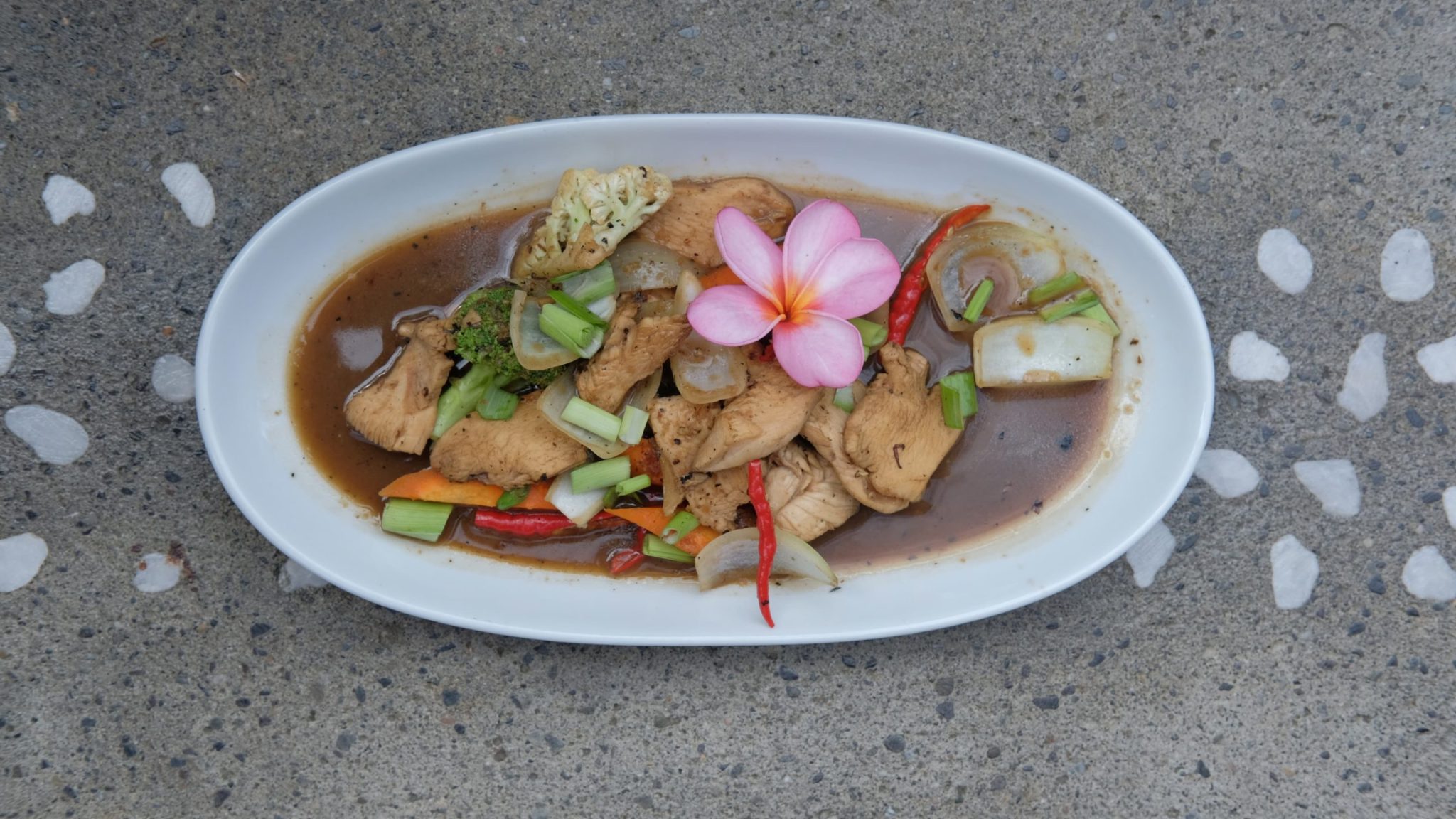

Nestled on the edge of Gunung Leuser National Park in North Sumatra, Bukit Lawang is best known for its orangutan encounters, jungle treks, and riverside village charm. For many visitors, food becomes an essential part of the experience: it fuels the hikes, soothes the muscles after long jungle days, and reflects the local culture. For vegetarians, vegans, health-conscious travelers, or anyone wanting to eat well while exploring the rainforest, Bukit Lawang presents an attractive mix of fresh produce, traditional Indonesian fare, and emerging conscious cafés. This guide is an in depth roadmap to eating healthy in Bukit Lawang, from local ingredients and markets to practical safety tips, sample meal plans, recipes you can try in local kitchens, and advice on balancing adventure with nourishment.
Why healthy eating matters in Bukit Lawang

Food does more than stave off hunger — it affects energy levels, recovery, mood, and immune resilience. In Bukit Lawang you’ll likely be hiking in high humidity, encountering long walking days and unpredictable weather. Proper fuel becomes crucial: complex carbohydrates for sustained energy, proteins for muscle repair, adequate hydration and electrolytes, and micronutrients for immune support in a tropical environment. For plant-based eaters, the challenge can be ensuring sufficient protein and calories and avoiding overly fried tourist options. The good news: Bukit Lawang’s agrarian surroundings, local markets, and community ethos make healthy eating both possible and rewarding.
Also read: 10 Best Hikes in Indonesia Every Adventure Seeker Should Try
Local food culture: what to expect
Bukit Lawang’s food scene blends Batak and broader Indonesian influences with simple, fresh ingredients. Staples include rice, cassava, vegetables, tropical fruit, fish, chicken, and tofu/tempeh — the latter two being traditional Indonesian powerhouses for plant-based protein. Many warungs (small family food stalls) serve Nasi Campur (mixed rice dishes), Mie Goreng (fried noodles), and Sayur (vegetable stews), often accompanied by sambal (chili paste). Because this is a village, many dishes are prepared from scratch using local produce. Guesthouses and eco-lodges often prepare Western options too, think salads, smoothie bowls, and sandwiches — as tourism has brought demand for diverse diets.

Key local ingredients for healthy eating
Understanding the pantry is the first step to eating well:
- Rice (Nasi): The primary staple. Opt for brown rice where available; white rice is common but pair it with legumes and vegetables for balance.
- Cassava and sweet potato: Frequently available, rich in complex carbs and fiber.
- Tempeh & Tofu: Fermented soy (tempeh) is protein-rich, easy to digest, and widely used. Tofu is also common and versatile.
- Fresh vegetables: Long beans, spinach, morning glory (kangkung), water spinach, cabbage, eggplant, and gourds.
- Leafy greens & herbs: Local greens, basil, lemongrass, turmeric leaf. These add antioxidants and flavor.
- Fruits: Banana, papaya, pineapple, mango, jackfruit, rambutan — excellent for quick energy and vitamins.
- Coconut: Coconut water (natural electrolyte), coconut milk (used sparingly), and coconut oil for traditional cooking.
- Wild herbs: Forest herbs and edible greens sometimes appear in local dishes.
- Fish & chicken: For omnivores, fresh fish from local rivers and small poultry are common proteins.
- Nuts & seeds: Peanuts are used in sauces (e.g., satay), adding healthy fats and protein.
Where to shop: markets, stalls, and local sourcing
Eating healthy starts with sourcing good ingredients. Options in Bukit Lawang:
- Morning market stalls: Small markets pop up with fresh vegetables, eggs, fruit, and sometimes fresh fish. Shop early for peak freshness and local variety.
- Warungs & homestays: Many local food stalls prepare homecooked food using the ingredients they sell. Ask to see the kitchen if you’re cautious.
- Guesthouse/eco-lodge produce: Many eco-lodges grow their own vegetables or source from nearby farms — often the freshest and most transparent option.
- Small grocery shops (toko): For basics like oats, peanut butter, canned beans, tea, and simple staples. Stock up but expect limited variety compared to cities.
- Bring some supplies: If you have strict dietary needs (specific plant-based protein powders, specialty items), bring them along — they can be hard to find in the village.
When buying: choose produce with firm texture, vibrant color, and avoid anything with strong off-smells. In the tropics, freshness is paramount.
Eating out healthy: menu choices and strategies
Warungs and cafés in Bukit Lawang can cater to healthy eaters if you know what to ask for.
Smart menu choices
- Nasi Campur with tempeh & veggies: Ask for steamed or grilled options instead of fried; request less oil and more vegetables.
- Sayur Asem or Sayur Lodeh (vegetable soups): These are vegetable-heavy and can be lighter if made with less coconut milk.
- Grilled fish or chicken with steamed rice and veggies: Balanced and ideal for post-trek recovery.
- Gado-gado (vegetable salad with peanut sauce): A nutrient-dense option — ask for less sauce or have sauce on the side to limit added oil/sugar.
- Mie Rebus (noodle soup): Choose broth-based options over fried noodles when you want hydration and warmth.
- Fruit plates & smoothies: Many cafés offer fresh fruit platters and blended smoothies; keep an eye on added sugar and prefer whole fruit bowls where possible.
- Tempeh satay or tofu dishes: Excellent plant protein choices; request grilling rather than frying.
How to ask for healthier cooking
- “Less oil, please” (minta sedikit minyak)
- “Can I have it grilled / steamed?” (bisa dibakar / dikukus?)
- “No chili / less chili” if you’re spice sensitive (tidak pedas / kurang pedas)
- “Room for sauce on the side” to control portion
- Bring reusable containers if you want to take leftovers.
Hydration and electrolytes: tropical essentials
Hydration is non-negotiable in Bukit Lawang’s climate. Aim for at least 2–3 liters daily depending on activity level.
- Coconut water: Natural electrolyte drink — excellent post-trek.
- Filtered water: Use water from guesthouses that provide filtration; if unsure, boil or use sealed bottled water.
- Electrolyte powders/tablets: Handy after long hikes; bring these if you rely on them.
- Herbal teas: Ginger or lemongrass teas soothe digestion and aid hydration.
Avoid excessive caffeine and alcohol on trekking days; they dehydrate.
Sample daily meal plans for different travelers
1) Active trekker (high energy needs)
- Breakfast: Oat porridge with banana and a drizzle of honey or local palm sugar; black tea or coffee.
- Snack: Fresh pineapple or energy bar.
- Lunch (pre-trek): Brown rice or cassava, tempeh satay (grilled), sautéed long beans, water.
- Post-trek: Coconut water and a fruit smoothie.
- Dinner: Grilled fish or tofu, vegetable soup, steamed greens.
- Recovery: Turmeric ginger tea before bed.
2) Vegetarian traveler (moderate activity)
- Breakfast: Smoothie bowl with papaya, banana, oats, and chia (if available).
- Snack: Fresh jackfruit or roasted peanuts.
- Lunch: Gado-gado (veggie salad) with moderate peanut sauce, steamed rice.
- Snack/afternoon: Coconut slices and herbal tea.
- Dinner: Sayur lodeh (vegetable curry with light coconut milk), tempeh, brown rice.
- Evening: Warm lemongrass tea.
3) Vegan/light eater (low activity)
- Breakfast: Fruit plate and toast or rice porridge (bubur) with coconut sugar.
- Lunch: Vegetable soup with tofu, side salad.
- Snack: Fresh mango or banana chips (choose baked, not fried).
- Dinner: Stir-fried morning glory with garlic, tempeh, and steamed cassava.
- Hydration: Coconut water and water throughout.
Food safety tips (practical and essential)
Tropical environments present specific food safety concerns. Follow these guidelines:
- Drink filtered/boiled water or bottled water. Avoid ice unless you know it’s made from filtered water.
- Eat hot food hot: Choose dishes cooked at high temperature and served piping hot. This minimizes bacterial risk.
- Peelable fruit is safe: Opt for fruit you can peel yourself (banana, mango, papaya). Wash or peel carefully.
- Avoid raw salads in uncertain places: Salads can be fresh but sometimes washed with tap water. Choose cooked vegetables or have salad at trusted cafés.
- Dairy caution: Fresh dairy may be unpasteurized in some local contexts; avoid if unsure.
- Use reputable providers: Guesthouse kitchens and established eco-lodges generally follow safer practices than random street vendors.
- Carry basic meds: Bring oral rehydration salts and a basic travel first-aid kit.
Eating seasonally and sustainably
Bukit Lawang’s foodscape is seasonal and local. Eating seasonally benefits flavor, sustainability, and local communities.
- Support local farmers and warungs: Choose meals made with locally sourced produce; this supports livelihoods and reduces food miles.
- Minimize single-use plastics: Bring a reusable bottle and utensils. Many cafés are happy to refill.
- Respect wildlife and foraging: Do not encourage or feed wildlife. Foraged or wild foods sold in markets should be consumed with cultural sensitivity and safety in mind.
Veggie-friendly cafés and conscious kitchens
Over the past decade, small cafés in Bukit Lawang and nearby accommodations have adapted to international diets. You’ll find:
- Health-focused cafés: Offering smoothie bowls, salads, freshly made juices, and vegetarian wraps.
- Eco-lodges with veggie options: Often grow their produce and offer balanced, seasonal vegetarian/vegan menus.
- Cooking classes: Some homestays and guesthouses run cooking classes where you learn to prepare vegetarian Indonesian dishes — a brilliant way to appreciate local flavors and techniques.
Ask at your guesthouse for current recommendations — the scene changes seasonally but local hosts will point you to the best veggie options.
Simple Indonesian dishes vegans and vegetarians can enjoy
- Tempeh Goreng (fried tempeh) or Tempeh Bacem (sweet soy-braised tempeh) — strong protein source; request less oil.
- Tahu/Tofu Goreng or Tahu Bacem — fried tofu, often served with sambal; pair with steamed vegetables.
- Sayur Asem — sour vegetable soup (tamarind-based), typically vegan friendly.
- Gado-gado — vegetable salad with peanut sauce; check for shrimp paste in the sauce and ask for a vegan version.
- Pecel — Javanese salad similar to Gado-gado; request no fish sauce.
- Nasi Uduk / Nasi Goreng with tempeh — ask for no egg for vegans.
- Sayur Lodeh — vegetable curry with coconut milk — can be rich, but ask for lighter coconut milk if you prefer.
Cooking tips: trying local recipes during your stay
If your guesthouse offers a kitchen or cooking class, try these simple, healthy adaptations:
Grilled Tempeh Marinade (simple)
- Ingredients: tempeh slices, tamari or soy sauce, lime juice, crushed garlic, a little palm sugar, chili (optional).
- Method: Marinate 30 minutes, grill or pan-fry with minimal oil until golden. Serve with steamed greens and brown rice.
Coconut & Turmeric Broth (healing)
- Ingredients: water or low-sodium vegetable stock, a thumb of fresh turmeric (or powder), sliced galangal or ginger, lemongrass, coconut milk (light), greens, tofu.
- Method: Simmer aromatics in broth, add greens and tofu, finish with a splash of coconut milk. Great after a trek for anti-inflammatory benefits.
Jungle Smoothie (portable)
- Ingredients: banana, papaya, coconut water, a spoonful of oats or ground nuts for protein.
- Method: Blend until smooth — a quick, electrolyte-rich recovery drink.
Also read: A Complete Guide to Orangutan Species and Their Characteristics
Nutrition for recovery: what to prioritize post-trek
After long jungle treks, focus on:
- Protein: For muscle repair — tempeh, tofu, fish, eggs, or nuts.
- Carbohydrates: To replenish glycogen — rice, sweet potato, cassava, fruit.
- Electrolytes: Coconut water and lightly salted broths.
- Antioxidants: Tropical fruits and leafy greens for immune support.
- Hydration: Rehydrate gradually and include small amounts of electrolytes.
A balanced meal might be grilled tempeh + steamed greens + cassava + coconut water — easy to digest and richly nourishing.
Special dietary needs: gluten-free, allergies, and kids
- Gluten-free: Rice is naturally gluten-free. Watch out for soy sauce (contains wheat); use tamari if available. Fried items may use wheat; ask clearly.
- Allergies: Inform cooks about allergies — severe allergy care in small villages is limited, so be cautious.
- Kids: Simple rice dishes, grilled proteins, and fruit plates usually suit children. Avoid overly spicy sambals for kids.
Final thoughts and travel ethos
Healthy eating in Bukit Lawang is a practice of balance: honoring local foodways while making choices that support your body and the environment. The village offers fresh produce, traditional powerhouses like tempeh, and a rising conscious café culture. Eating well here is both practical (to fuel treks and recovery) and ethical (to support local livelihoods and conservation). With a bit of planning, basic food safety mindfulness, and openness to local flavors, visitors — including vegetarians and vegans — can enjoy a nourishing, memorable culinary journey in the heart of Sumatra’s rainforest.
So pack a reusable bottle, learn a few local phrases, rise with the sun for a fresh fruit breakfast, savor a tempeh lunch after a jungle hike, and end your day with coconut water and turmeric tea. In Bukit Lawang, food feeds more than the body — it becomes part of the journey, the connection to place, and the rhythm of the rainforest itself.


Merry Ludrig
I am a dedicated wildlife researcher, author, and conservation storyteller with a deep expertise in orangutan species, tropical ecosystems, and rainforest biodiversity. Over the years, I have spent extensive time observing orangutans in their natural habitats, documenting their behavior, social structures, and environmental challenges across Southeast Asia’s most important conservation regions.
Driven by a passion for protecting endangered wildlife, i have collaborated with conservation organizations, local forest communities, and environmental researchers to promote sustainable practices and raise global awareness about the fragile state of the world’s rainforests. My work blend scientific insight with compelling narrative, making complex ecological topics accessible and inspiring to readers of all backgrounds.
