


In the vibrant and diverse culinary landscape of Indonesia, few dishes achieve the universal comfort and everyday appeal of mie ayam. Known simply as Indonesian chicken noodles, mie ayam is more than just a meal, it is a reflection of the country’s rich culture, regional variation, and history of culinary fusion. From bustling street corners to cozy neighborhood eateries, this dish has earned a place in the hearts of locals and travelers alike, offering a harmonious blend of flavors that is both simple and deeply satisfying.
At its core, mie ayam is a bowl of seasoned noodles topped with succulent chicken, garnished with vegetables and sometimes accompanied by broth or condiments. Its appeal lies not only in the taste but also in the versatility of the dish. Each cook adds their own twist, creating a diversity of flavors and textures across Indonesia. Whether served as a quick breakfast, a hearty lunch, or a late-night snack, mie ayam embodies comfort, familiarity, and the joy of home-style cooking.
In this guide, we will explore the origins, ingredients, preparation methods, regional variations, cultural significance, and tips for enjoying mie ayam like a true local.
The Origins of Mie Ayam
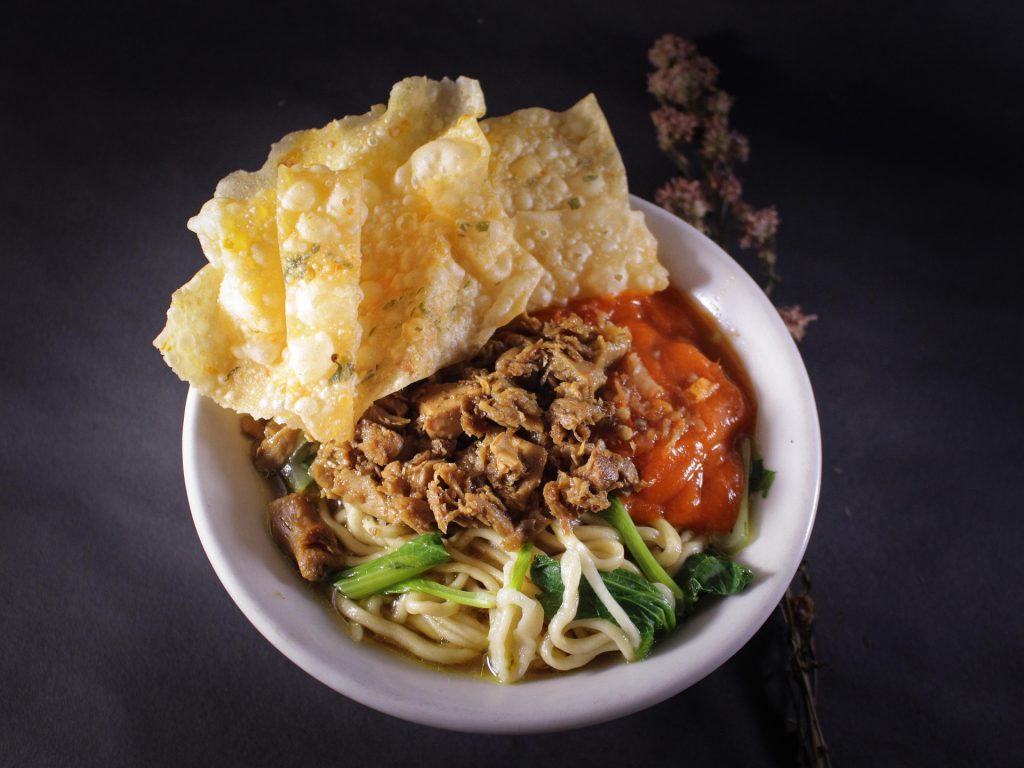
The story of mie ayam is closely tied to the history of noodles in Indonesia. Noodles were introduced to the archipelago centuries ago through Chinese migration and trade. Chinese immigrants brought wheat-based noodles, which were then adapted to local tastes and ingredients. Over time, these noodles evolved into several Indonesian variants, with mie ayam becoming one of the most popular.
The dish reflects a fusion of cultures: Chinese-style noodles combined with Indonesian spices, sweet soy sauce (kecap manis), and local cooking techniques. It has since spread throughout the country, from Java and Sumatra to Kalimantan and Sulawesi, each region adding its own unique touches. Today, mie ayam is ubiquitous in Indonesia, found at street food stalls, restaurants, train stations, and food courts.
Also read: 10 Best Hikes in Utah for Stunning Views and Adventure
Core Ingredients of Mie Ayam
Mie ayam’s simplicity is one of its charms, but understanding its components is key to appreciating its flavor. The dish usually consists of the following:
1. Noodles
The base is typically yellow wheat noodles, similar in texture to Chinese egg noodles. These noodles are slightly chewy, capable of absorbing the sauce and chicken flavors. In some variations, thin or thick noodles are used depending on regional preferences.
2. Chicken Topping
The star of the dish is tender, seasoned chicken. Chicken is often diced or shredded and cooked in a mixture of soy sauce, garlic, shallots, and sometimes oyster sauce. In richer versions, chicken fat or oil is added to enhance flavor.
3. Sauce
A key component is the seasoned sauce that coats the noodles. The sauce usually combines soy sauce, sweet soy sauce, and aromatics like garlic and shallots. This gives the noodles a savory, slightly sweet, and umami-rich taste.
4. Vegetables and Garnishes
Typically, the dish includes chopped green onions, steamed bok choy, or Chinese mustard greens. Crispy fried shallots are a common garnish, adding crunch and a subtle caramelized flavor.
5. Optional Broth
Some versions of mie ayam are served with a clear chicken broth on the side or poured over the noodles. This can make the dish heartier and allows for a comforting noodle soup experience.

How Mie Ayam Is Prepared
Preparing mie ayam involves several steps that balance flavor and texture. While methods may vary, the typical preparation includes:
- Cooking the Noodles: Boil the noodles until tender but still slightly firm, then drain and toss with a little oil to prevent sticking.
- Preparing the Chicken: Sauté garlic and shallots in oil, then add diced or shredded chicken. Season with soy sauce, sweet soy sauce, and optional oyster sauce or spices. Simmer until the chicken absorbs the flavors and becomes tender.
- Blanching Vegetables: Lightly cook leafy greens such as bok choy or mustard greens so that they retain crunch and color.
- Assembling the Dish: Place the noodles in a bowl, top with chicken and vegetables, drizzle with remaining sauce or oil, and garnish with green onions and fried shallots.
- Optional Broth: Pour hot chicken broth over the noodles or serve on the side, depending on preference.
The dish can be customized with sambal (chili paste) for heat, pickled vegetables for acidity, or crispy crackers for texture, making each bowl an opportunity for personal flavor preferences.
Regional Variations of Mie Ayam
Indonesia’s size and diversity have led to numerous variations of mie ayam. Each region reflects local ingredients, taste preferences, and cooking styles.
1. Mie Ayam Jakarta
In the capital, Jakarta, mie ayam is often mildly sweet with a glossy soy sauce coating. The chicken is tender and rich, usually diced, and served with a small portion of broth on the side. Street vendors in Jakarta are famous for their affordable and flavorful versions.
2. Mie Ayam Solo
Solo, or Surakarta, is known for its distinctive mie ayam called Mie Ayam Jamur (chicken with mushrooms). The dish often includes mushrooms as a secondary topping, adding earthy depth. Sweet soy sauce is essential, and the noodles are slightly thicker.
3. Mie Ayam Malang
In Malang, East Java, the dish is often paired with wontons or bakso (meatballs), providing extra protein and texture. The chicken sauce is lighter, and the noodles are cooked to a perfect al dente.
4. Mie Ayam Medan
Medan, in Sumatra, introduces local spices and sometimes a spicier flavor profile. The chicken may be cooked with additional aromatic herbs, creating a fragrant, savory, and slightly spicy dish.
5. Mie Ayam Solo-style Toppings
Certain local versions incorporate fried wonton skins, peanuts, or boiled eggs, making the dish heartier and ideal for breakfast, lunch, or a snack at any time of day.
Cultural Significance of Mie Ayam
Mie ayam is not only a popular food item but also a cultural staple. It represents the fusion of Chinese and Indonesian culinary traditions and embodies the concept of comfort food in local communities. The dish is affordable, widely accessible, and loved by children and adults alike.
Eating mie ayam is also a social activity. Street-side stalls often serve as communal spaces where neighbors gather, students stop by for lunch, and friends meet for casual dinners. It’s a dish that connects people across generations and backgrounds, making it a central part of urban and suburban life in Indonesia.
Street Food vs. Restaurant Mie Ayam
Mie ayam can be enjoyed at street vendors, local warungs (small eateries), or more formal restaurants. Each has advantages:
- Street Vendors: Quick, affordable, and often prepared in small batches for freshness. The flavor is typically bold, reflecting the vendor’s personal recipe.
- Warungs: Offer a wider variety, including vegetables, eggs, and sides. These small restaurants provide a more relaxed environment for enjoying the dish.
- Restaurants: May offer upscale presentations, refined sauces, and fusion variations, catering to diners seeking comfort with a modern twist.
No matter where you try it, the essence of mie ayam, its harmony of noodles, seasoned chicken, and toppings—remains central.
Tips for Enjoying Mie Ayam Like a Local
- Add Sambal: A spoonful of local chili paste can enhance the flavor dramatically without overpowering it.
- Mix Well: Stir noodles and toppings together to distribute sauce, chicken, and vegetables evenly.
- Enjoy with Broth: If served with a small cup of chicken broth, sip alongside bites of noodles for balance.
- Try Local Variants: Each region offers its own twist, so tasting multiple versions is a journey in itself.
- Pair with Beverages: Sweet iced tea or fresh coconut water complements the savory flavors perfectly.
Health and Nutrition
While mie ayam is primarily a carbohydrate-rich dish, it can be nutritionally balanced when paired with chicken and vegetables. The protein in the chicken, fiber from greens, and micronutrients from toppings make it a wholesome option. For those concerned about sodium or oil, home-cooked versions allow for customization, including using less oil, whole-grain noodles, or leaner chicken cuts.
Also read: 10 Best Things to Do in Uluwatu for an Amazing Bali Experience
Mie Ayam Around the World
With Indonesia’s growing culinary influence, mie ayam is gradually appearing in international cities with significant Southeast Asian communities. Adaptations in other countries may include gluten-free noodles, vegetarian protein options, or fusion toppings, yet the fundamental character of the dish—savory noodles with seasoned chicken—remains intact.
Its global appeal stems from both simplicity and adaptability. Whether in Jakarta, Surabaya, or New York City, mie ayam continues to satisfy with its perfect balance of flavors.
Conclusion
Mie ayam is more than a dish; it is a culinary narrative of Indonesia’s history, culture, and everyday life. From humble street stalls to modern restaurants, it offers a comforting, flavorful experience that transcends social and geographic boundaries. Its combination of tender chicken, savory noodles, and versatile toppings ensures that every bite is a reminder of Indonesia’s rich culinary heritage.
For travelers and food enthusiasts alike, exploring mie ayam is an opportunity to taste history, connect with local culture, and enjoy a truly satisfying meal. In its simplicity lies complexity, and in its familiarity lies the charm that has made it a beloved dish for generations. Whether you are savoring a street-side bowl in Jakarta or preparing it at home, mie ayam delivers an unforgettable flavor experience that is quintessentially Indonesian.


I'm a manager of Jungle Inn Hotel in Bukit Lawang and a leading expert in Bukit Lawang eco-travel. With years of experience in sustainable tourism, i am dedicated to preserving the region’s rich biodiversity while providing authentic jungle experiences for visitors.