

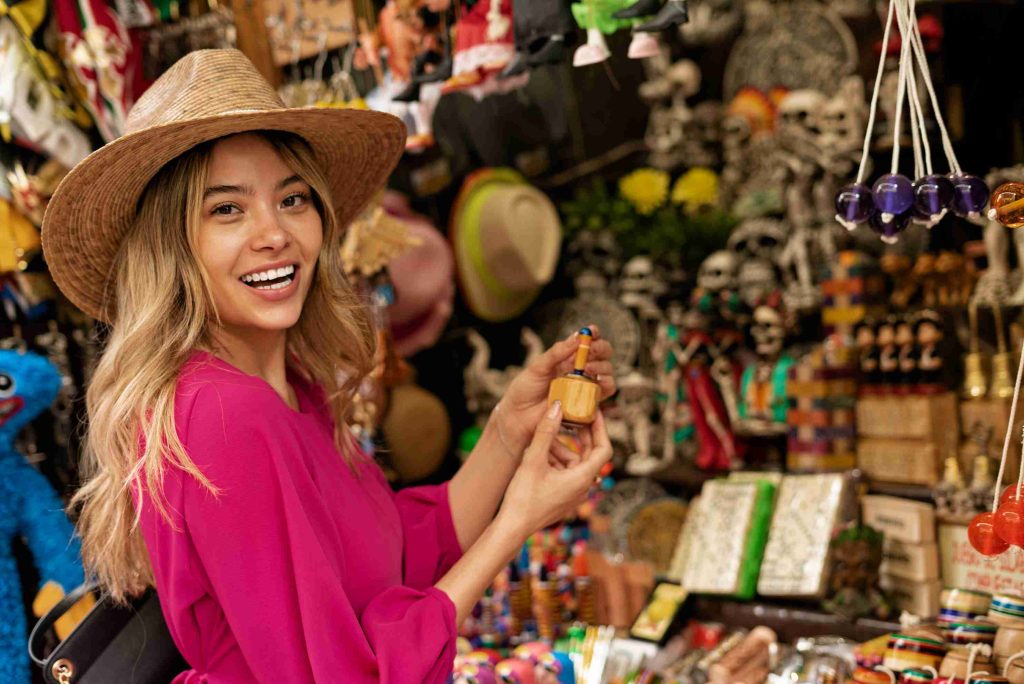
Nestled in the cultural heart of Bali, surrounded by lush rice terraces and sacred temples, the Ubud Art Market (Pasar Seni Ubud) is more than just a shopping destination—it’s a vibrant expression of Balinese craftsmanship, creativity, and spirit. Known locally as Pasar Seni Ubud, this colorful and chaotic marketplace has long served as a magnet for travelers looking for authentic souvenirs, exquisite handcrafts, and a taste of the island’s artistic soul.
Set against the backdrop of the Ubud Royal Palace (Puri Saren Agung), the market is a sensory overload—woven bags hanging like art installations, the scent of incense wafting through the air, the hum of bargaining, and the sparkle of gemstones and batik fabric glimmering in the sun. Here, the old world meets the new in a dynamic bazaar where tradition is preserved through commerce.
In this guide, you’ll learn everything you need to know about the Ubud Art Market—from what to buy and how to haggle, to what to expect when visiting. Whether you’re a first-time tourist or a returning lover of Bali, this guide will ensure you make the most of your visit to this iconic destination.
Where is the Ubud Art Market Located?
The Ubud Art Market is located in the heart of Ubud on Jalan Raya Ubud, directly opposite the Ubud Palace and near the Saraswati Temple. It is easily accessible on foot if you’re staying within the central Ubud area. For those coming from farther afield like Seminyak, Canggu, or Sanur, it’s about a 1–1.5 hour drive depending on traffic.
Market Structure: Two Sides, Two Worlds
The market is typically divided into two main sections:
1. The Tourist-Oriented Art Market (Pasar Seni)
Located along Jalan Raya Ubud, this area is bustling with shops and stalls selling souvenirs, handicrafts, textiles, art, jewelry, and homeware. This is where you’ll likely spend most of your time as a visitor.
2. The Traditional Morning Market (Pasar Umum)
Behind the art market, especially active from 4 AM to 8 AM, is where locals buy daily essentials—fruits, vegetables, flowers, offerings (canang sari), and spices. This part of the market offers an immersive glimpse into local Balinese life before it transforms into a tourist-centric hub later in the day.
Also read: Top 10 Must-Do Activities in Labuan Bajo for Nature Lovers
What to Buy: Treasures and Handcrafts
Here’s a comprehensive list of the most popular and valuable items to buy at the Ubud Art Market:
1. Handwoven Rattan Bags
Arguably the most iconic Balinese souvenir, these circular or square bags are made from ata grass, dried and smoked over coconut husks for durability. Often lined with batik cloth and featuring leather straps, they are fashionable, durable, and unique.
2. Balinese Textiles and Batik
Look for:
- Batik: Hand-dyed using wax-resist techniques, showcasing floral and geometric patterns.
- Endek: Traditional Balinese woven fabric, often used in ceremonies.
- Silk scarves and sarongs: Lightweight and decorative—ideal for gifts or personal use.
3. Handmade Jewelry
From simple silver rings to ornate necklaces embedded with semi-precious stones, Balinese jewelry is detailed and deeply symbolic. Ubud is known for its silver artisans, especially in nearby Celuk village.
4. Wooden Carvings
Buy anything from miniature Buddha statues to traditional Balinese masks, intricate wall panels, or whimsical animal carvings. These are often hand-carved from suar wood or mahogany.
5. Paintings and Artwork
Balinese painting styles range from traditional Kamasan (depicting epics like the Ramayana) to modern abstract. Look for:
- Ubud-style paintings (lush jungle and rural scenes)
- Contemporary batik canvases
- Miniature detailed ink drawings
6. Dreamcatchers and Macramé
Hand-knotted dreamcatchers, wall hangings, and plant holders made of cotton twine or jute are popular among boho-loving travelers.
7. Aromatherapy and Natural Skincare
Soaps, essential oils, incense, and natural balms made from coconut, lemongrass, frangipani, and sandalwood. These are great for bringing a piece of Balinese calm back home.
8. Balinese Statues and Figurines
From stone Buddhas and Ganeshas to frog musicians, these small statues are full of charm and perfect for home decor.
9. Eco-Friendly Products
As Bali promotes sustainable tourism, you’ll find bamboo straws, coconut bowls, and organic cotton goods—eco-conscious items with style.
10. Handcrafted Home Décor
Lampshades, mirrors, beaded cushion covers, table runners, and wind chimes—all handmade with love and designed to bring tropical elegance to your space.
When to Visit
- Morning (8–10 AM): Quieter, cooler, and fewer crowds. Ideal for browsing slowly and finding bargains.
- Midday (11 AM–2 PM): Busiest time, especially with tour groups.
- Late Afternoon (3–5 PM): Sellers may offer better prices to close their sales for the day.
- Before 8 AM: Visit the local market section to witness Balinese daily life and traditional market scenes.
Tips for Shopping at Ubud Art Market
1. Bargain Respectfully
Haggling is expected, but always done with a smile and good manners. Start by offering half of the initial price, then negotiate from there. If the seller refuses, thank them politely and walk away—often, they’ll call you back.
2. Carry Cash (Rupiah)
While some stalls accept digital payment, most prefer cash. ATMs are available nearby, but bring small denominations for easier transactions.
3. Be Wary of Mass-Produced Items
While many items are handcrafted, others may be factory-made. Look closely at the detailing and don’t be afraid to ask, “Is this handmade?” Supporting true artisans ensures your money helps preserve traditional skills.
4. Come with a List—but Stay Open
It helps to have an idea of what you want, but the market’s charm lies in unexpected discoveries—like a hand-carved dragon or a woven hammock you didn’t know you needed.
5. Avoid Peak Heat
Ubud can get humid and crowded by midday. Wear light clothing, sunscreen, and a hat. Bring water or buy fresh coconut juice nearby.
6. Ask About Shipping
Larger pieces (like furniture or artwork) can often be shipped internationally. Many vendors work with shipping agents and can assist you with packing and delivery.
What to See Around the Market
Once you’re done shopping, don’t rush off! The surrounding area offers many cultural attractions worth exploring:
1. Ubud Royal Palace (Puri Saren Agung)
Right across from the market, this well-preserved royal residence features traditional Balinese architecture and hosts evening dance performances.
2. Saraswati Temple
Just a 5-minute walk away, this stunning water temple features lotus ponds, ornate carvings, and a peaceful ambiance.
3. Ubud Traditional Spa and Cafés
After shopping, relax with a Balinese massage or enjoy local cuisine at nearby cafés like Seniman Coffee Studio, Clear Café, or Lazy Cats.
Cultural Etiquette in Ubud Markets
- Greet vendors with a smile or “Om Swastiastu” (a respectful Balinese greeting).
- Dress modestly—while Ubud is relaxed, it’s also spiritual and traditional.
- Don’t touch items with your feet or point with your feet.
- Always ask before taking a vendor’s photo.
Also read: 10 Authentic Karo Village Experiences You’ll Never Forget
Sustainable Shopping in Ubud
Ubud is increasingly embracing eco-conscious practices. As a traveler, you can support this by:
- Bringing a reusable tote bag
- Choosing vendors that use natural or recycled materials
- Supporting small family-run stalls over chain souvenir shops
Is the Ubud Art Market Worth Visiting?
Absolutely. Whether you’re a collector of art, a fashion lover, a home décor enthusiast, or just looking to bring a piece of Bali home with you, the Ubud Art Market is one of the best places to explore Balinese culture through its crafts.
It’s not just a market—it’s a meeting ground of generations, where stories are told through textiles and wood, where artistry is alive and tangible, and where every transaction can be a cultural exchange.
Final Thoughts
The Ubud Art Market is more than a tourist stop—it’s a living archive of Balinese craftsmanship and tradition. Come with curiosity, leave with beauty, and let yourself be enchanted by the stories behind the objects you buy.Whether you spend an hour browsing or an entire morning exploring its aisles, the Ubud Art Market offers an experience as rich as the island itself.

I'm a manager of Jungle Inn Hotel in Bukit Lawang and a leading expert in Bukit Lawang eco-travel. With years of experience in sustainable tourism, i am dedicated to preserving the region’s rich biodiversity while providing authentic jungle experiences for visitors.

