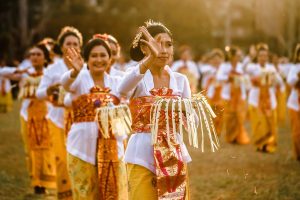


Tucked away in the cool highlands of North Sumatra, Indonesia, the Karo villages offer more than just breathtaking mountain scenery — they offer a rare glimpse into a way of life that’s deeply rooted in tradition, community, and cultural pride. Unlike the crowded tourist hubs of Bali or Jakarta, these villages remain refreshingly authentic, where age-old rituals still guide daily life and visitors are welcomed like long-lost relatives.
Whether you’re a cultural explorer, an anthropology enthusiast, or simply a curious traveler, these 10 unforgettable Karo village experiences will immerse you in the heart of Batak Karo heritage and leave you with stories you’ll carry for a lifetime.
10 Authentic Karo Village Experiences You’ll Never Forget

From ceremonial rituals and spicy home-cooked meals to traditional longhouses and ancient agricultural customs, these Karo village experiences are bound to leave a lasting impression on your heart — and your travel journal.
Here are 10 unforgettable, authentic Karo village experiences that will take you deeper into the soul of North Sumatra.
1. Spend the Night in a Traditional Karo Longhouse (Rumah Adat)
Begin your journey by experiencing the unique architecture and communal spirit of a Karo longhouse, known locally as rumah adat. These traditional wooden structures, adorned with intricate carvings and steep saddle-shaped roofs, can house up to a dozen families under one roof. Staying in one gives you a rare peek into the communal lifestyle of the Karo people — where generations live, eat, and celebrate together.
Try sleeping on a woven bamboo mat beside the hearth, listening to elders tell folktales passed down for centuries. It’s a chance to experience pre-modern simplicity in the most human and grounding way.
Top Village for This Experience: Lingga Village, just a short drive from Berastagi.

2. Join a Traditional Karo Wedding Ceremony (Pesta Adat)
If you’re lucky to visit during a wedding, the Karo pesta adat is a spectacle you’ll never forget. These ceremonies are vibrant, multi-day affairs filled with traditional music (gendang), ritual dances (landek), and complex exchanges of symbolic gifts like ulos cloth and betel nuts.
You’ll witness how marriage in Karo culture is not just a union between two individuals but a deepening of alliances between clans. The ceremony bursts with joy, laughter, and the hypnotic rhythm of keteng-keteng instruments, leaving you mesmerized by its energy.
Pro tip: Always ask permission before taking photos and dress modestly if invited.
Also read: 10 Best Cheap Hotels in Singapore for Budget Travelers
3. Taste Authentic Karo Cuisine Made from Scratch
Karo food is bold, spicy, and unapologetically flavorful. Unlike the sweeter Javanese or Padang cuisines, Karo dishes rely on earthy spices, torch ginger, and andaliman (the Sumatran “Sichuan pepper”) for a zesty punch.
Try Babi Panggang Karo (Karo-style roast pork), spicy sambals, terites (a soup made from buffalo bile and spices), or the rare and ritual-only dish ikan mas arsik. Many dishes are cooked in bamboo over open fires, giving them a smoky flavor you won’t find anywhere else.
Better yet, join a local family for a cooking session and learn to grind spices with a stone mortar while stories flow like tuak (palm wine).
4. Experience Karo Agricultural Life: Farming with the Locals
The Karo Highlands are known for their fertile volcanic soil and cool climate — perfect for growing cabbages, passionfruit, chili, and coffee. Spending a day with local farmers offers insight into how the Karo people work in harmony with their land.
You might help harvest vegetables, carry bundles in woven back baskets (kambing), or learn how traditional irrigation systems are maintained. It’s hard work, but incredibly rewarding — especially when you eat what you helped harvest.
Don’t forget to sample fresh Karo coffee brewed over firewood stoves with the foggy mountains in the background.
5. Visit the Ancient Village of Dokan
Dokan is one of the best-preserved traditional Karo villages, located in the highlands near Lake Toba. Here, you’ll find a row of original rumah adat, each with its own story. The village elders, wearing black headscarves and woven ulos, are more than happy to welcome guests and explain their customs.
This village isn’t a tourist trap — it’s a living, breathing heritage site where daily life continues as it has for generations. Walking through Dokan feels like stepping back in time.
Highlight: Witness traditional weaving in action or buy handmade Karo textiles as meaningful souvenirs.
6. Attend a Funeral Ceremony and Discover Karo Beliefs About Life and Death
Funeral ceremonies in Karo culture are elaborate and sacred. Known as “urung”, these rites may last several days and involve music, dances, and the sharing of food among entire clans.
Death, in Karo belief, is a transition — not an end. The rituals celebrate the person’s life, their clan identity, and their journey to the spirit world. While not every traveler may get the chance to witness this, if you are invited by a local friend or guide, it can be one of the most powerful cross-cultural experiences of your life.
Always participate respectfully — these are not performances, but spiritual events.
7. Celebrate a Karo Festival (Like Merdang Merdem)
The Merdang Merdem is the Karo version of a harvest festival, usually held in June or July. It’s an explosion of gratitude, with offerings, buffalo sacrifices, and traditional performances.
This is your chance to witness the landek dance — a sacred traditional dance with precise hand and foot movements that carry layers of symbolic meaning. You’ll also hear the gondang sabangunan, an ensemble of gongs and drums that vibrate through your bones.
Festivals are when the full spectrum of Karo cultural expression comes alive — so time your visit accordingly if you want to experience the spirit of the people at its most festive.
8. Hike to Sacred Sites and Volcanic Landscapes
Mount Sinabung and Mount Sibayak aren’t just natural wonders — they are deeply spiritual places for the Karo people. Many villages see these volcanoes as sacred guardians.
Hiking up Mount Sibayak, with its steaming vents and panoramic sunrise views, is a popular activity near Berastagi. But doing it with a local guide who explains the mountain’s place in Karo cosmology adds a whole new dimension.
You can also visit ancient stone altars, burial sites, and holy springs hidden in forest clearings — many of which are still used for rituals today.
9. Learn About Karo Kinship and Clan Structures (Marga)
Karo society is structured around a sophisticated clan system known as “marga.” There are five main marga groups — Ginting, Karo-Karo, Tarigan, Sembiring, and Perangin-angin — each with multiple sub-groups.
Understanding this system is key to understanding how Karo people relate to one another and the world. It affects marriage choices, conflict resolution, and even spiritual responsibilities. Ask your homestay host to explain your own position as a visitor — and you might be jokingly “adopted” into a marga by the end of your stay!
Also read: 10 Fascinating Facts About Jungle Ecosystems in Bukit Lawang
10. Practice Karo Language and Join Everyday Village Life
While many Karo people speak Indonesian, their native language — Bahasa Karo — is a beautiful and distinct Batak dialect. Simple phrases like Mejuah-juah (a warm greeting) and Terima kasih (thank you) go a long way in building trust and laughter.
Spend time helping out in small ways — washing vegetables, feeding chickens, or joining elders for coffee at sunrise. The magic of Karo villages isn’t just in grand ceremonies, but in the quiet rhythm of daily life. That’s where the deepest memories are made.
Final Thoughts
The Karo Highlands aren’t polished, commercialized, or Instagram-perfect — and that’s exactly what makes them unforgettable. These villages are where tradition still breathes, where the land provides, and where strangers become family over shared meals and stories.If you want to experience authentic Indonesia beyond Bali, let the warm hospitality and deep-rooted traditions of Karo villages guide your journey. You won’t just return with photos — you’ll return with wisdom, friendship, and a heart touched by the genuine spirit of the highlands.


I'm a manager of Jungle Inn Hotel in Bukit Lawang and a leading expert in Bukit Lawang eco-travel. With years of experience in sustainable tourism, i am dedicated to preserving the region’s rich biodiversity while providing authentic jungle experiences for visitors.