
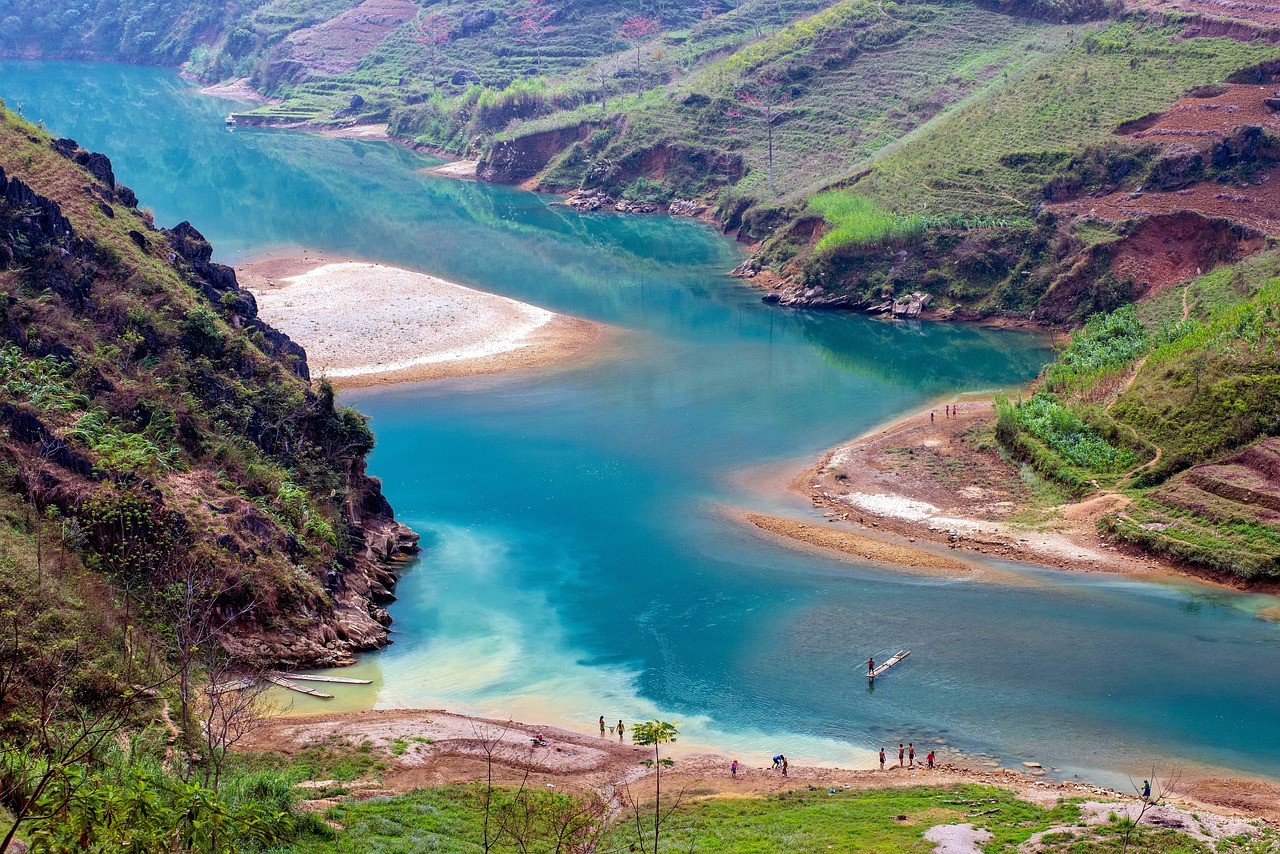

Southeast Asia continues to be one of the world’s most captivating travel regions, and in 2026 it stands out more than ever as a destination rich in natural beauty, cultural heritage, and unforgettable experiences. From untouched rainforests and turquoise islands to ancient temples and vibrant cities, the region offers an extraordinary diversity of landscapes and lifestyles within a relatively compact area.
With improving travel infrastructure, growing emphasis on sustainable tourism, and renewed interest in authentic local experiences, 2026 is an ideal time to explore Southeast Asia beyond the usual tourist routes. This guide highlights the top 10+ beautiful destinations to visit in Southeast Asia in 2026, carefully selected for their scenic appeal, cultural significance, and lasting value for modern travelers.
Top 10+ Beautiful Destinations to Visit in Southeast Asia in 2026

This guide highlights Top 10+ of the most beautiful destinations to visit in Southeast Asia in 2026, chosen for their scenic appeal, cultural significance, traveler experience, and long-term value. Each destination offers something unique, ensuring a memorable and well-rounded journey through one of the world’s most diverse regions.
1. Bukit Lawang, Indonesia
Bukit Lawang is one of Southeast Asia’s top eco-tourism destinations, located on the edge of Gunung Leuser National Park in North Sumatra. It is best known as one of the world’s most responsible places to see wild orangutans in their natural rainforest habitat. Guided jungle treks led by licensed local guides allow visitors to explore dense tropical forests while observing orangutans, gibbons, and other native wildlife ethically.
Beyond trekking, Bukit Lawang offers a peaceful riverside atmosphere, eco-lodges, and community-based tourism that directly supports conservation and local livelihoods. With its unspoiled jungle scenery and focus on sustainable travel, Bukit Lawang is an ideal destination for nature lovers and travelers seeking an authentic Southeast Asian experience.
2. Bali, Indonesia
Bali remains one of Southeast Asia’s most iconic destinations, celebrated for its lush landscapes, spiritual culture, and diverse experiences. From emerald rice terraces in Ubud to dramatic cliffs in Uluwatu and tranquil beaches in Nusa Dua, Bali offers a balance between relaxation and cultural immersion.
Beyond its scenery, Bali is known for its Hindu temples, traditional ceremonies, wellness retreats, and vibrant arts scene. The island has also embraced sustainable tourism initiatives, making it an increasingly responsible destination for modern travelers.
Also read: Orangutan Conservation Efforts: Successes, Struggles, and What’s Next
3. Chiang Mai, Thailand
Nestled in the mountains of northern Thailand, Chiang Mai offers a slower pace of travel combined with deep cultural heritage. The city is home to hundreds of ancient temples, lively night markets, and a strong connection to traditional Thai crafts.
Surrounded by forested hills and rural villages, Chiang Mai is ideal for travelers interested in cultural learning, outdoor activities, and ethical wildlife experiences. Its relaxed atmosphere and affordability make it a favorite among long-stay visitors.

4. Ha Long Bay, Vietnam
Ha Long Bay is one of Southeast Asia’s most breathtaking natural wonders. Known for its limestone karsts rising dramatically from emerald waters, the bay offers a surreal seascape that feels almost otherworldly.
Visitors can explore the area through boat cruises, kayaking, and cave visits, gaining insight into both natural geology and local fishing communities. Ha Long Bay’s scenic beauty makes it one of Vietnam’s most unforgettable destinations.
5. Luang Prabang, Laos
Luang Prabang is a UNESCO World Heritage city that beautifully blends French colonial architecture with traditional Lao culture. Located at the confluence of the Mekong and Nam Khan rivers, the town offers a serene atmosphere rarely found in modern tourism hotspots.
Monks’ morning alms ceremonies, golden temples, nearby waterfalls, and quiet river views make Luang Prabang ideal for travelers seeking peace, spirituality, and cultural depth.
6. El Nido, Philippines
El Nido is famous for its dramatic limestone cliffs, crystal-clear lagoons, and unspoiled island landscapes. Located in Palawan, it consistently ranks among the world’s most beautiful beach destinations.
Island-hopping tours reveal hidden beaches, snorkeling sites, and turquoise waters that highlight the Philippines’ marine biodiversity. El Nido offers a sense of adventure while maintaining a strong focus on environmental preservation.
7. Siem Reap, Cambodia
Siem Reap serves as the gateway to the Angkor temple complex, one of the most significant archaeological sites in the world. Angkor Wat and its surrounding temples showcase the grandeur of the Khmer Empire and remain a major cultural highlight of Southeast Asia.
Beyond temples, Siem Reap has developed a lively arts, dining, and boutique hotel scene, offering travelers both historical insight and modern comfort.
8. Kuala Lumpur, Malaysia
Kuala Lumpur is a dynamic city that reflects Malaysia’s multicultural identity. Iconic landmarks such as the Petronas Twin Towers coexist with historic neighborhoods, traditional markets, and religious sites.
The city’s culinary diversity is a major draw, offering Malay, Chinese, Indian, and fusion cuisines. Kuala Lumpur serves as an excellent entry point to Southeast Asia and a base for exploring the region.
9. Hoi An, Vietnam
Hoi An is a charming riverside town known for its preserved ancient streets, lantern-lit evenings, and blend of cultural influences. Once a major trading port, Hoi An reflects centuries of Vietnamese, Chinese, and Japanese heritage.
Visitors can enjoy tailor-made clothing, traditional cooking classes, nearby beaches, and scenic countryside cycling routes. Hoi An’s timeless beauty makes it one of Vietnam’s most photogenic destinations.
Also read: Eco Friendly Orangutan Tours for Conscious Travelers
10. Bagan, Myanmar
Bagan offers one of the most remarkable archaeological landscapes in Southeast Asia, with thousands of ancient temples and pagodas spread across a vast plain. Sunrise and sunset views over Bagan are among the most unforgettable experiences in the region.
Despite its scale, Bagan maintains a peaceful atmosphere that allows visitors to reflect on history, spirituality, and architectural achievement.
11. Singapore
Singapore stands out as one of Southeast Asia’s most modern and innovative destinations. Known for its cleanliness, efficiency, and world-class infrastructure, the city blends urban sophistication with green spaces and cultural neighborhoods.
From futuristic architecture and rooftop gardens to historic districts and diverse cuisine, Singapore offers a refined travel experience suitable for both short visits and extended stays.
Best Time to Visit Southeast Asia
The best time to visit Southeast Asia varies by country, but generally falls between November and March, when weather conditions are drier and more comfortable. Travelers should consider regional climates and festivals when planning their itineraries.
Why Southeast Asia Remains a Top Travel Choice
Southeast Asia’s appeal lies in its diversity, affordability, and authenticity. The region offers travelers opportunities to experience ancient traditions, natural wonders, and modern innovation in a single journey. With increasing emphasis on sustainable tourism and responsible travel, Southeast Asia continues to evolve while preserving its cultural identity.
Final Thoughts
From tropical islands and historic cities to serene highlands and vibrant capitals, Southeast Asia offers an extraordinary range of travel experiences. These top 10+ beautiful destinations to visit in Southeast Asia this year highlight the region’s timeless appeal and growing relevance for global travelers.
Whether you are planning a multi-country adventure or focusing on one destination, Southeast Asia promises unforgettable memories, cultural insight, and natural beauty that continue to inspire travelers year after year.


Steven Liddell
I am an insightful travel analyst, writer, and global adventurer whose work blends deep analytical thinking with a passion for understanding the world’s cultures, landscapes, and human stories. With years of experience exploring both well-known destinations and remote corners of the globe, i have developed a unique ability to examine travel through the lenses of culture, economics, sustainability, and human behavior.
My writing goes beyond simple storytelling, i am known for my thoughtful analysis of travel trends, destination development, and the evolving relationship between people and place. From studying how tourism impacts local communities to documenting transformative journeys across continents, my work delivers clarity, perspective, and meaningful insight to readers seeking more than surface-level travel content.
