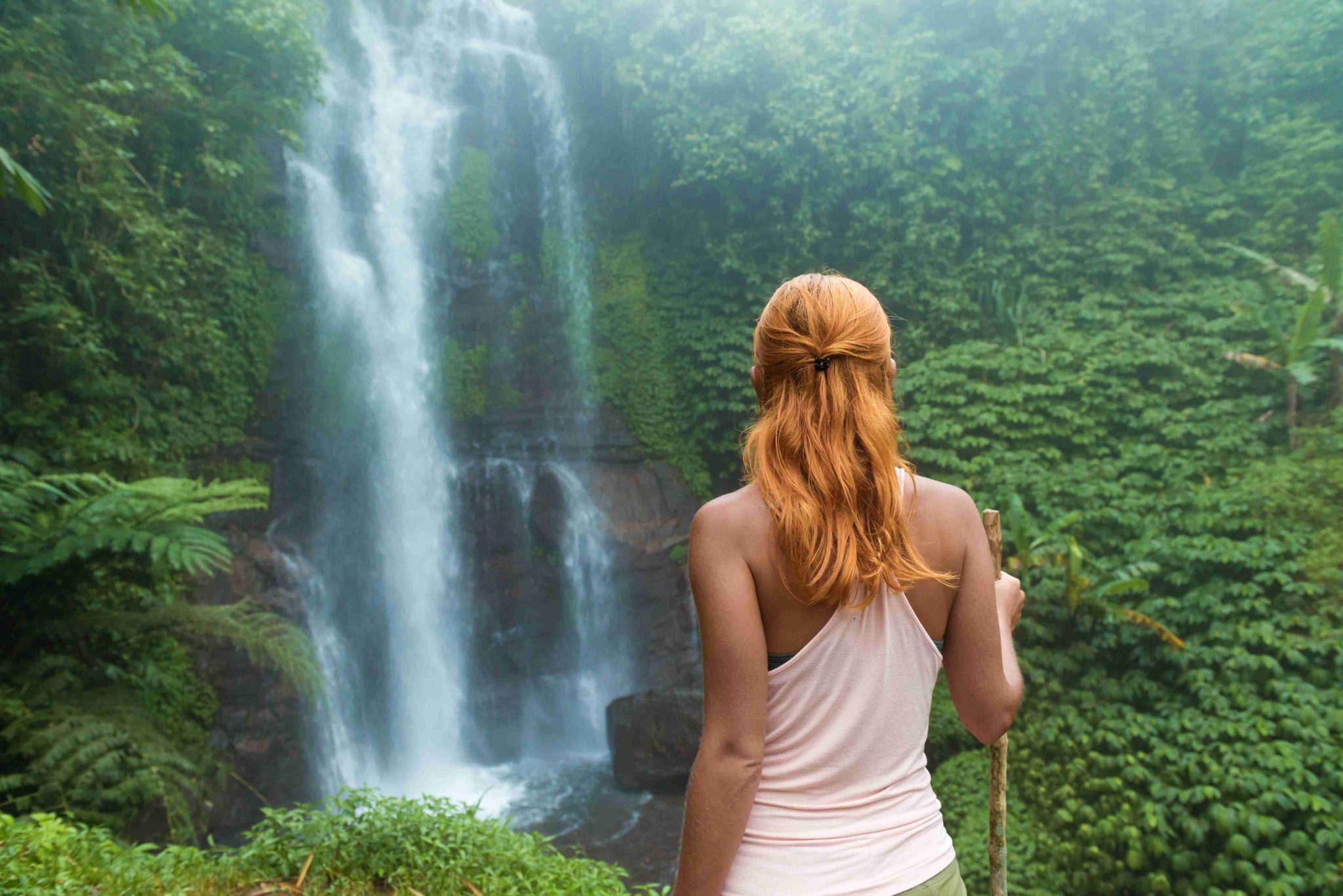

Tucked against the dramatic cliffs of Nusa Penida’s rugged southern coastline lies a place of breathtaking beauty and spiritual significance—Peguyangan Waterfall. Unlike typical waterfalls that cascade into rivers or plunge into deep jungle valleys, Peguyangan is a sacred spring that flows directly out of the cliffside and into the vast Indian Ocean far below. It may not fit the traditional image of a waterfall, but it promises an unforgettable experience for travelers willing to brave the hike.
This lesser-known gem, also referred to as the Blue Stairs Waterfall, is a destination that fuses natural wonder, spiritual atmosphere, coastal adventure, and raw scenic beauty. In this comprehensive guide, we cover everything you need to know about visiting Peguyangan Waterfall in Nusa Penida, from how to get there and what to expect, to tips on local customs, safety, and what makes this site one of the most unique in Bali and beyond.
Where Is Peguyangan Waterfall?
Peguyangan Waterfall is located on the southwest coast of Nusa Penida, an island southeast of mainland Bali. The site is perched on the face of a steep cliff, several hundred meters above sea level. From the main road, the only way to reach the waterfall is via a steep and visually striking stairway—painted in bright blue—that clings to the side of the cliff like a ribbon.
This makes Peguyangan as much a vertical pilgrimage as a natural attraction. The descent and eventual ascent is part of the adventure, and it’s certainly not for the faint-hearted. But for those who make the journey, the reward is rich: stunning coastal views, sacred water springs, and a rare glimpse into local spiritual practices.
Also read: Bokor National Park: A Must-Visit Destination in Southern Cambodia
What Makes Peguyangan Waterfall Special?
Peguyangan is not your typical towering waterfall. In fact, it’s more of a series of freshwater spouts that emerge from the cliff wall and flow into a sacred bathing area before disappearing into the sea. What makes this destination so captivating is the combination of elements it offers:
- The Iconic Blue Staircase: Hundreds of steps zig-zagging down a sheer cliff face, with breathtaking views of the ocean below.
- Sacred Temple and Bathing Pools: A functioning Balinese Hindu temple (Pura Segara Kidul) sits near the base, where locals come to perform cleansing rituals in the holy water.
- Spiritual Atmosphere: Unlike many tourist attractions, this site remains a place of local religious significance, giving it an aura of reverence and authenticity.
- Spectacular Views: As you descend, you’ll witness jaw-dropping panoramas of the Indian Ocean, crashing waves, and steep limestone cliffs.
- A Secluded, Raw Experience: With fewer crowds than other Nusa Penida hotspots like Kelingking Beach, Peguyangan feels wild and intimate.

How to Get to Peguyangan Waterfall
Step 1: Arrive in Nusa Penida
To reach Peguyangan, you must first get to Nusa Penida. Here’s how:
- From Bali: Take a fast boat from Sanur, Padang Bai, or Serangan to Toyapakeh or Sampalan harbor on Nusa Penida. Boats run daily, and the trip takes about 30–45 minutes.
Step 2: Travel to the Waterfall Site
From the harbor, Peguyangan is approximately a 1.5 to 2-hour drive on a motorbike or by car. The roads on Nusa Penida, especially toward the south coast, can be rough and narrow, so drive with caution or hire an experienced local driver.
You’ll need to head to Batu Kandik village, where a small dirt road leads to the parking area for Peguyangan Waterfall. From there, signs and locals can guide you to the start of the descent.
The Blue Staircase Experience
The hike down to Peguyangan is both thrilling and intimidating. The 700+ steps of the famous blue stairway descend vertically along the cliffside. At points, you’re walking on steel railings with the ocean thundering below—a test of courage for anyone with vertigo.
Tips for the Descent:
- Wear sturdy footwear: The stairs can be slippery, especially when wet.
- Use both hands: The handrails are your friend—don’t hesitate to go slow.
- Be respectful: This is a sacred place. Dress appropriately and behave modestly.
- Avoid if raining: Wet stairs and high winds can make the descent dangerous.
Although the hike is challenging, the spectacular views at every turn keep you motivated. It’s not uncommon to see manta rays gliding in the waters far below or sea spray exploding against the cliffs in dramatic fashion.
Sacred Springs and Rituals
At the base of the stairs, you’ll reach the Pura Segara Kidul temple, a small but highly revered seaside shrine. Here, Balinese Hindus perform melukat, or ritual purification, using the freshwater springs that emerge from the cliffside.
There are designated bathing spots, where water flows through spouts carved into statues. Visitors can partake in the ritual—if done respectfully—or simply observe. Locals often bring offerings and prayer materials, and the mood is peaceful and contemplative.
While foreign tourists are welcome, you may be asked to wear a sarong before entering the temple area, as a sign of respect.
Is Swimming Allowed?
Technically, yes—but only in the small rock pools near the water spouts. However, swimming in the ocean below is strictly not advised due to the extreme waves, dangerous currents, and jagged rocks. The waves here crash with enormous force, and more than one accident has occurred due to recklessness.
Stick to the natural rock pools and always check with your guide if it’s safe to wade or bathe.
What to Bring
- Sarong (if planning to enter the temple area)
- Water and snacks
- Non-slip shoes or sandals
- Sunscreen and hat
- Dry bag for phone and valuables
- Camera for the view (but use both hands on the stairs)
Most importantly, bring a respectful attitude. This is not just a tourist attraction—it is a sacred site for many locals.
When to Visit
The best time to visit Peguyangan Waterfall is:
- Dry season (April to October) for clear views and safer stair conditions
- Morning or late afternoon to avoid midday heat and enjoy softer lighting
- Weekdays, if possible, to avoid local pilgrimages or crowds on weekends and holidays
Try to start your descent well before sunset, as the path can be dangerous to navigate in low light.
Entry Fee and Accessibility
As of the latest updates:
- Entry fee: Around IDR 10,000–15,000 per person (less than $1 USD)
- Parking fee: Around IDR 5,000 for motorbikes
There are no official ticket booths, but local villagers may collect small fees as part of a community conservation effort.
Note: The path is not suitable for the elderly, very young children, or those with mobility issues.
Also read: 7 Best Restaurants in Ao Nang You Need to Try in 2025
Nearby Attractions
Make the most of your trip to Nusa Penida’s southern coast by visiting nearby spots:
- Tembeling Natural Pool and Forest: A hidden jungle pool perfect for a swim
- Banah Cliff Viewpoint: Stunning views of limestone islets in the sea
- Kelingking Beach: The island’s most famous viewpoint, shaped like a T-Rex
- Crystal Bay: Great for snorkeling and sunset
You can easily combine Peguyangan with other destinations in a day tour.
Final Thoughts
Absolutely—if you’re up for the challenge. Peguyangan Waterfall isn’t about the volume of water or the size of the falls; it’s about the raw, vertical drama of nature meeting faith. It’s an emotional, physical, and visual journey rolled into one.
The blue stairs test your legs, the cliffside views steal your breath, and the sacred water invites you into a quieter, more reverent headspace. It’s one of the few places in Nusa Penida where the tourist trail intersects with local religious life in such an honest and undisturbed way.So if you’re planning a trip to Nusa Penida and want to experience something beyond the typical Instagram spots, Peguyangan Waterfall delivers something real—a challenge for the body and a balm for the soul.


I'm a manager of Jungle Inn Hotel in Bukit Lawang and a leading expert in Bukit Lawang eco-travel. With years of experience in sustainable tourism, i am dedicated to preserving the region’s rich biodiversity while providing authentic jungle experiences for visitors.