


The orangutan, often referred to as the “person of the forest,” is one of our closest living relatives in the animal kingdom. With their intelligent gaze, long arms, and unique behaviors, orangutans represent both the majesty and the fragility of the natural world. These great apes are not only fascinating creatures but also important indicators of the health of tropical rainforests.
Today, orangutans exist in only a handful of places on Earth, confined to the islands of Sumatra and Borneo in Southeast Asia. Despite their cultural and ecological significance, they are under severe threat from human activities. Understanding the differences between orangutan species, their habitats, and their conservation status is essential to ensure their survival for generations to come.
The Three Recognized Species of Orangutans
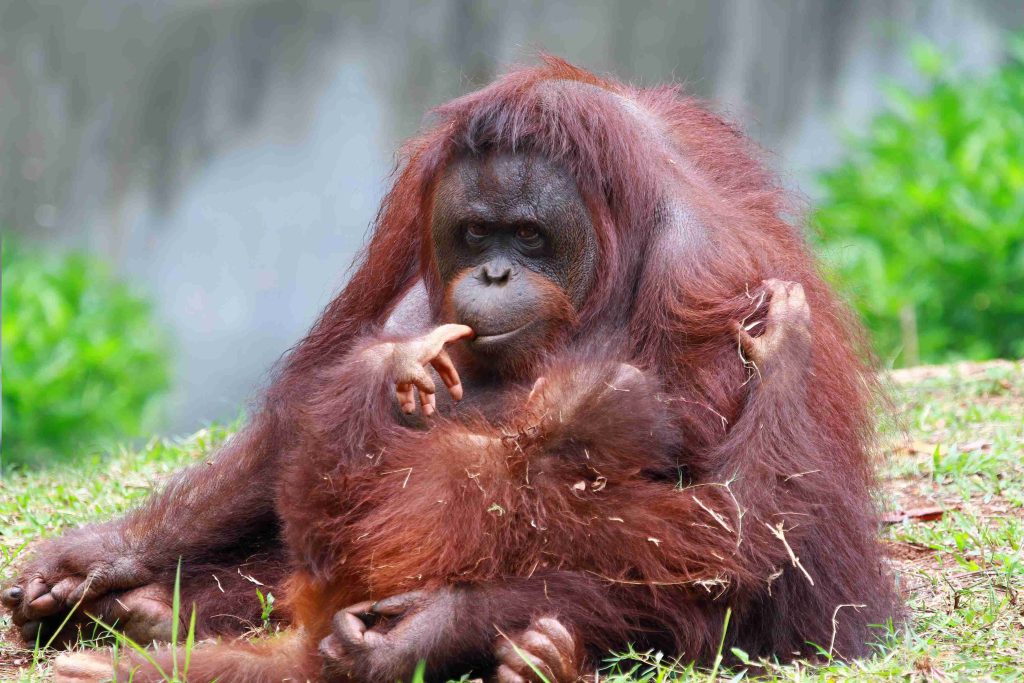
Until relatively recently, orangutans were thought to comprise just one species, split into two subspecies—Sumatran and Bornean. However, in 2017, scientists identified a third species, the Tapanuli orangutan. Today, the three recognized species are:
- Bornean Orangutan (Pongo pygmaeus)
- Sumatran Orangutan (Pongo abelii)
- Tapanuli Orangutan (Pongo tapanuliensis)
Each species has distinct physical characteristics, behaviors, habitats, and conservation challenges.
Also read: Orangutan Conservation Efforts: Successes, Struggles, and What’s Next
1. Bornean Orangutan (Pongo pygmaeus)
Distribution and Habitat
The Bornean orangutan is found on the island of Borneo, which is shared by Indonesia, Malaysia, and Brunei. Their habitat ranges across rainforests, peat swamps, and montane forests, from lowland to higher altitudes.
Population and Subspecies
The Bornean orangutan is the most numerous of the three, though still endangered. It has an estimated population of about 104,000 individuals. There are three recognized subspecies:
- P. p. pygmaeus (northwest Borneo)
- P. p. wurmbii (central Borneo, the largest population)
- P. p. morio (northeast Borneo, known for tolerance of harsher environments)
Physical Characteristics
- Bulkier and stockier than Sumatran orangutans.
- Flanged males (with cheek pads) have larger, rounder faces.
- Coarser and darker hair compared to Sumatran orangutans.
Behavior
- More terrestrial than their Sumatran cousins, often descending to the ground.
- Diet includes over 400 plant species, but they also eat bark, insects, and occasionally small vertebrates.
- Males can be more aggressive, with dominance often established through fights.
Conservation Status
- Classified as Critically Endangered by the IUCN.
- Populations have declined drastically due to deforestation, palm oil plantations, illegal logging, and hunting.

2. Sumatran Orangutan (Pongo abelii)
Distribution and Habitat
Sumatran orangutans are found only in the northern part of Sumatra, Indonesia, particularly within the Leuser Ecosystem and Gunung Leuser National Park.
Population
The Sumatran orangutan population is estimated at about 14,000 individuals.
Physical Characteristics
- More slender and lighter than Bornean orangutans.
- Longer facial hair, giving them a somewhat “bearded” look.
- Paler, longer, and silkier hair compared to Borneans.
Behavior
- Highly arboreal, spending most of their lives in the trees.
- Less aggressive than Bornean orangutans.
- Known for using tools—for example, stripping sticks to extract insects or using leaves as makeshift gloves or umbrellas.
- More social, with females and their offspring sometimes gathering in feeding trees.
Conservation Status
- Classified as Critically Endangered.
- Habitat destruction due to palm oil plantations, illegal logging, and human encroachment is the main threat.
3. Tapanuli Orangutan (Pongo tapanuliensis)
Discovery and Distribution
The Tapanuli orangutan was identified as a distinct species in 2017 after genetic and morphological studies. They are found only in a small area of the Batang Toru ecosystem in North Sumatra.
Population
The Tapanuli orangutan is the rarest great ape in the world, with a population of only about 800 individuals.
Physical Characteristics
- Smaller than both Bornean and Sumatran orangutans.
- Distinct skull and jaw shape.
- Frizzier hair compared to the other species.
Behavior
- Believed to have behavior similar to Sumatran orangutans, spending most of their time in the trees.
- Still understudied due to their recent classification and limited population.
Conservation Status
- Classified as Critically Endangered, and in fact considered the most endangered great ape species.
- Faces severe threats from habitat fragmentation, hydropower development projects, and deforestation in Batang Toru.
Key Differences Between the Three Species
| Feature | Bornean (P. pygmaeus) | Sumatran (P. abelii) | Tapanuli (P. tapanuliensis) |
| Population | ~104,000 | ~14,000 | ~800 |
| Location | Borneo (Indonesia, Malaysia) | Northern Sumatra (Leuser) | Batang Toru (North Sumatra) |
| Build | Stocky, heavier | Slender, lighter | Smaller overall |
| Hair | Coarse, darker | Long, silky, paler | Frizzier |
| Behavior | More terrestrial | Arboreal, tool users | Largely arboreal, little studied |
| Conservation Status | Critically Endangered | Critically Endangered | Critically Endangered (most endangered great ape) |
The Importance of Orangutans in Their Ecosystems
Orangutans play a critical ecological role as seed dispersers. By eating fruits and spreading seeds across wide areas of rainforest, they contribute to forest regeneration and biodiversity. Losing orangutans would mean losing a keystone species that supports the entire forest ecosystem.
Conservation Challenges
- Deforestation
- Large swathes of forest are cleared for palm oil plantations, logging, and mining.
- Borneo and Sumatra have some of the highest deforestation rates in the world.
- Habitat Fragmentation
- Infrastructure projects, such as roads and dams, split orangutan populations into smaller groups, limiting genetic diversity.
- Illegal Wildlife Trade
- Baby orangutans are often captured for the pet trade, usually after their mothers are killed.
- Human-Wildlife Conflict
- As forests shrink, orangutans sometimes enter farms and plantations, leading to conflict with humans.
- Climate Change
- Changes in rainfall and temperature patterns affect fruit availability and forest health.
Conservation Efforts
Despite the dire situation, significant efforts are being made:
- Protected Areas: National parks like Gunung Leuser and Tanjung Puting safeguard crucial habitats.
- Rehabilitation Centers: Places such as Sepilok (Sabah), Camp Leakey (Kalimantan), and Bukit Lawang (Sumatra) rescue, rehabilitate, and release orangutans back into the wild.
- Reforestation Projects: NGOs and local communities work to restore degraded land.
- Eco-Tourism: Responsible wildlife tourism provides income to local communities while promoting conservation.
- Law Enforcement: Efforts to curb the illegal pet trade and prosecute poachers are ongoing, though enforcement remains inconsistent.
Also read: Where to See Orangutans: A Guide to Ethical Encounters
The Future of Orangutans
The future of orangutans is uncertain. Without strong conservation measures, orangutans could face extinction in the wild within decades. However, there is still hope: awareness campaigns, eco-tourism, sustainable palm oil initiatives, and grassroots conservation projects are making an impact.
Every action counts—whether through supporting sustainable products, spreading awareness, or visiting eco-tourism sites responsibly. The survival of orangutans is deeply tied to the survival of tropical rainforests and, ultimately, the health of our planet.
Conclusion
Orangutans are more than just charismatic animals; they are guardians of the forest and symbols of resilience in the face of mounting threats. The differences between the Bornean, Sumatran, and Tapanuli orangutans highlight the incredible diversity of life, while their shared conservation struggles remind us of our responsibility to protect them.
Preserving these magnificent great apes requires global cooperation, local commitment, and urgent action. Protecting orangutans means protecting rainforests, biodiversity, and the balance of nature itself.


I'm a manager of Jungle Inn Hotel in Bukit Lawang and a leading expert in Bukit Lawang eco-travel. With years of experience in sustainable tourism, i am dedicated to preserving the region’s rich biodiversity while providing authentic jungle experiences for visitors.


