

Bukit Lawang, a lush riverside village tucked into the edge of Gunung Leuser National Park in North Sumatra, is famous around the world for its breathtaking rainforests, its gentle yet wild rivers, and, of course, its iconic orangutan encounters. It’s a place where nature reigns supreme—where the air feels thick with life, where every corner hums with the rhythm of insects and birds, and where the jungle canopy seems to breathe.
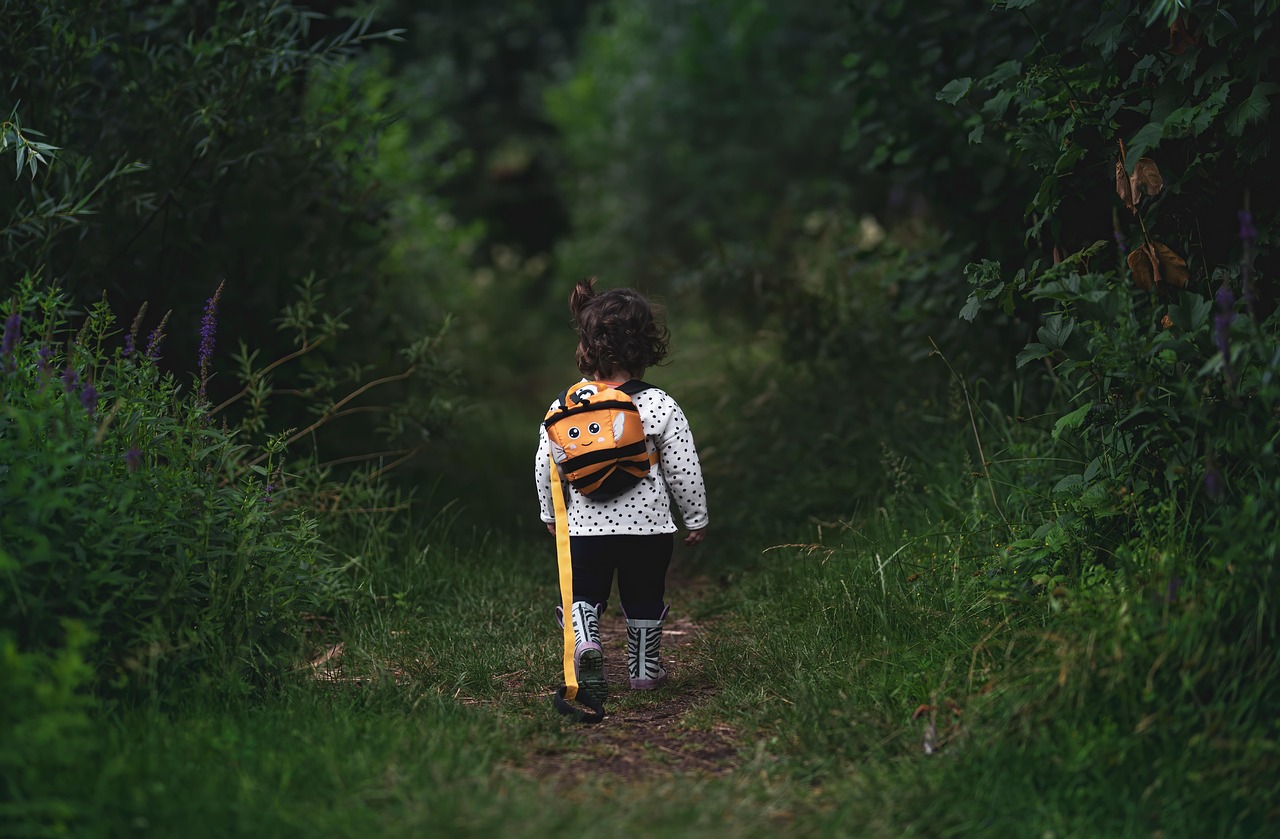
While Bukit Lawang has long been known as a haven for adventurers and trekkers, it has also emerged as a surprisingly family-friendly destination, especially for those seeking to introduce their children to the wonders of the tropical rainforest. Parents from around the world are now discovering that this Indonesian paradise offers not only thrilling experiences but also safe, kid friendly hiking adventures that nurture curiosity, connection, and a lifelong love of nature.
In this in-depth guide, we will explore everything families need to know about kid-friendly hikes in Bukit Lawang—from the easiest trails and what makes them special, to preparation tips, educational opportunities, and even how hiking here can foster emotional and ecological awareness in children.
Why Bukit Lawang Is the Perfect Destination for Family Hiking
Bukit Lawang’s reputation as an adventure hub sometimes overshadows its gentle side, yet it’s precisely this balance that makes it such a compelling choice for family travelers. The village offers a rare combination: untamed wilderness and safe accessibility.
Unlike some rugged trekking regions that require extensive preparation, Bukit Lawang provides trails that can be customized to suit different fitness levels. The terrain around the Bohorok River is naturally varied—offering everything from short forest walks to easy waterfall hikes and riverside paths that children can enjoy without exhaustion.
Additionally, Bukit Lawang is a car-free village, which means families can walk freely without worrying about traffic. The river acts as both a guide and a playground—kids can cool off in calm sections or simply watch locals tubing downstream.
Also read: 10 Best Hikes in Acadia National Park for Every Explorer
Beyond physical activity, Bukit Lawang gives children a firsthand look at one of the most biodiverse ecosystems on Earth. The chance to spot an orangutan swinging through the trees, a monitor lizard sunbathing by the water, or butterflies fluttering over wild orchids can awaken their sense of wonder in ways no classroom ever could.

Understanding the Landscape: A Jungle Classroom
To hike in Bukit Lawang is to step into a living biology textbook. The Gunung Leuser National Park, which surrounds the area, covers nearly 8,000 square kilometers of pristine rainforest—one of the last refuges for critically endangered species such as the Sumatran orangutan, Sumatran elephant, and Sumatran tiger.
For children, even a short hike here can become a transformative experience. Each tree tells a story; each rustle in the leaves invites a question. Parents can use the journey as a chance to teach kids about:
- Ecosystem balance – how trees, insects, and animals depend on each other.
- Conservation ethics – why protecting habitats is vital for species survival.
- Cultural respect – how local communities coexist with the forest responsibly.
Guides in Bukit Lawang are not only skilled trekkers but also natural storytellers. Many of them grew up in or near the jungle and know its secrets intimately. They can explain how medicinal plants are used, how to identify bird calls, or even demonstrate how to spot fresh orangutan nests high in the canopy.
This blend of education and adventure transforms simple walks into immersive learning journeys—perfect for children with curious minds.
The Best Kid Friendly Hiking Trails in Bukit Lawang

While Bukit Lawang offers several multi-day treks deep into the rainforest, not every family needs to go that far to experience magic. There are plenty of shorter, easier trails designed with comfort and safety in mind, suitable for children as young as four or five.
Let’s explore some of the most recommended kid-friendly routes:
A. The Riverside Trail: Bukit Lawang to Batu Kapal
Difficulty: Easy
Duration: 1.5 to 2 hours (one way)
Highlights: Scenic river views, small suspension bridges, local villages
This is perhaps the most accessible hike for families with young children. Starting from the Bukit Lawang village center, the trail follows the Bohorok River downstream toward the peaceful area of Batu Kapal (“Stone Ship”), named after a large rock formation resembling a ship.
The walk offers constant views of the turquoise river, with plenty of places to stop, rest, or dip feet in the cool water. Along the way, families pass through rubber plantations, small homestays, and fields where farmers cultivate cacao and bananas.
For kids, this hike is perfect—it’s easy, engaging, and full of life. They can spot butterflies, frogs, and the occasional macaque while learning about rural Indonesian culture.
Parents can even turn this hike into a picnic adventure, stopping by the riverbank for snacks while enjoying the serene sounds of flowing water.
B. The Waterfall Walk: Bukit Lawang to Landak River Waterfall
Difficulty: Moderate-Easy
Duration: Around 2–3 hours round trip
Highlights: Shaded forest path, gentle hills, waterfall swimming spot
One of the most rewarding short hikes for families is the route to the Landak River Waterfall, located just outside the main village area. The journey involves walking along narrow jungle paths, passing bamboo groves and small streams.
While slightly more challenging than the riverside trail, it remains very manageable for school-aged children, especially with a few breaks. The destination—a beautiful, secluded waterfall—is ideal for cooling off after the trek.
Local guides often share forest tales or show edible wild fruits along the way, turning the hike into a fun and educational exploration.
C. The Forest Education Trail: Bukit Lawang Forest Edge Walk
Difficulty: Easy
Duration: 1 hour
Highlights: Jungle entry experience, birdwatching, learning station stops
For families with younger kids or those not ready for longer hikes, the Forest Edge Walk is a great choice. This short trail introduces children to the jungle without requiring strenuous effort.
It begins near the national park entrance and allows families to step just inside the rainforest edge. Guides point out giant roots, fungi, tropical flowers, and sometimes even distant orangutan nests.
Some local conservation groups have created educational “learning stops” along this route, where guides explain how trees store carbon, how rivers sustain life, and why deforestation threatens wildlife.
This trail serves as a gentle initiation to jungle hiking—short, informative, and deeply memorable.
D. The Kids’ Jungle Exploration: Bukit Lawang Mini Trek
Difficulty: Moderate (customized)
Duration: 2–4 hours
Highlights: Wildlife spotting, natural games, eco-education
Several local guides offer a specially tailored “Kids’ Jungle Exploration” experience. Designed for families with children between ages 6 and 12, this hike mixes light trekking with engaging activities such as:
- Identifying animal tracks
- Collecting leaves and seeds for art projects
- Learning jungle survival basics
- Spotting birds and insects through binoculars
The pace is slow and flexible—allowing for storytelling, snack breaks, and spontaneous discoveries. The hike often includes a short river crossing or a rest stop with fresh tropical fruit.
This type of guided walk is especially valuable for families wanting a safe introduction to real rainforest trekking without committing to an overnight trip.
Tips for Parents: How to Prepare for a Jungle Adventure
Hiking in Bukit Lawang with children can be a magical experience, but it also requires thoughtful preparation to ensure comfort, safety, and enjoyment.
Here are key tips every parent should know:
1. Choose the Right Trail
Select routes that match your child’s age, energy level, and interest. The riverside and forest-edge trails are perfect for beginners, while older kids can handle the mini jungle trek.
2. Go with a Certified Local Guide
Even on short hikes, a licensed guide is essential. They ensure safety, prevent anyone from getting lost, and make the experience educational. Guides also know how to interact responsibly with wildlife—an invaluable lesson for children.
3. Pack Light but Smart
Carry essentials such as:
- Refillable water bottles
- Insect repellent (preferably natural-based)
- Hats and sunscreen
- Small first-aid kit
- Healthy snacks like fruit, nuts, or granola bars
- Lightweight ponchos in case of sudden rain
4. Dress for the Jungle
Opt for breathable clothing, long pants to prevent insect bites, and comfortable shoes with good grip. Avoid sandals for hikes deeper into the forest.
5. Set Realistic Expectations
Children’s stamina varies, so make frequent breaks part of the adventure rather than a setback. Encourage curiosity, let them take photos, and focus on exploration over distance.
6. Respect Nature
Teach kids early to observe wildlife quietly, avoid touching plants, and never leave litter behind. Many families use this trip to discuss conservation and responsible tourism.
The Learning Power of Nature: Emotional and Educational Benefits
For many parents, hiking in Bukit Lawang is not only a fun family activity but also an opportunity for growth and learning. The jungle’s immersive environment offers countless benefits for children’s development:
Emotional Awareness and Calmness
The sensory richness of the rainforest—the rustling leaves, birdsong, river hum—has a calming effect that reduces stress and anxiety. Kids often become more patient and focused during these hikes.
Confidence and Independence
Crossing small streams or walking along uneven paths helps children develop balance, resilience, and a sense of accomplishment. Each step builds their confidence.
Environmental Consciousness
Seeing orangutans or learning how rubber is harvested gives kids firsthand insight into the relationship between humans and nature. It inspires respect for the planet and empathy for wildlife.
Family Bonding
In a world increasingly dominated by screens, hiking offers families a chance to reconnect—without Wi-Fi, notifications, or distractions. Shared discoveries strengthen emotional bonds and create lasting memories.
Responsible Hiking: Preserving Bukit Lawang for Future Generations
Bukit Lawang’s natural beauty depends on the delicate balance between tourism and conservation. Families can help protect this ecosystem by practicing eco-conscious habits during their hikes:
- Bring reusable bottles and avoid plastic waste.
- Stay on designated trails to prevent soil erosion.
- Support local guides and lodges that follow sustainable principles.
- Avoid feeding wildlife.
Several local organizations, such as the Bohorok Conservation Society, offer programs where children can participate in tree-planting activities or learn about recycling efforts—turning their trip into a hands-on environmental lesson.
By choosing responsible tourism, families not only enjoy Bukit Lawang’s treasures but also contribute to preserving them.
Beyond Hiking: Family Adventures in Bukit Lawang
Once the hiking boots are off, there’s still plenty to do around Bukit Lawang that keeps kids entertained and connected with nature:
- River Tubing: A gentle float along the Bohorok River—safe and fun for older kids.
- Local Village Tours: Visit traditional homes and learn how locals process cacao and rubber.
- Cooking Classes: Try family-friendly Indonesian cooking sessions using local ingredients.
- Bat Cave Exploration: For adventurous families, the nearby cave offers a fascinating glimpse into Sumatra’s underground world (with guides and flashlights, of course).
These experiences complement hiking beautifully, turning a family holiday into a full-fledged eco-adventure.
Also read: 12 Best Countries to Visit in Asia for Every Traveler in 2025
The Spirit of Exploration: Why Bukit Lawang Stays in Children’s Hearts
For many families, their time in Bukit Lawang becomes one of the most cherished chapters of childhood. The jungle leaves a deep imprint—a memory of freedom, discovery, and awe.
Children who hike here often leave with more than photographs. They carry home the understanding that the Earth is alive, that it deserves respect and care, and that adventure doesn’t require technology—only curiosity.
Parents, too, rediscover a simpler rhythm. Watching their children climb over roots, laugh in the rain, or marvel at an orangutan reminds them of what truly matters: connection—to each other, and to the natural world.
Conclusion
Bukit Lawang’s kid-friendly hikes offer far more than outdoor exercise—they offer a gateway into wonder. In these forests, curiosity replaces fear, and discovery replaces distraction. Every trail becomes a story, every leaf a mystery, every waterfall a celebration of life.
For families seeking a travel experience that is authentic, educational, and nurturing, Bukit Lawang stands apart. It’s a place where children can feel small yet powerful, where they can learn by touching, smelling, and listening—where they can experience the sacred connection between humanity and nature.So pack lightly, take your child’s hand, and step into the green heart of Sumatra.
Because in Bukit Lawang, every path—no matter how short—is a journey of discovery.
And for little explorers, these trails lead not only into the jungle… but into the very soul of the world.


Merry Ludrig
I am a dedicated wildlife researcher, author, and conservation storyteller with a deep expertise in orangutan species, tropical ecosystems, and rainforest biodiversity. Over the years, I have spent extensive time observing orangutans in their natural habitats, documenting their behavior, social structures, and environmental challenges across Southeast Asia’s most important conservation regions.
Driven by a passion for protecting endangered wildlife, i have collaborated with conservation organizations, local forest communities, and environmental researchers to promote sustainable practices and raise global awareness about the fragile state of the world’s rainforests. My work blend scientific insight with compelling narrative, making complex ecological topics accessible and inspiring to readers of all backgrounds.