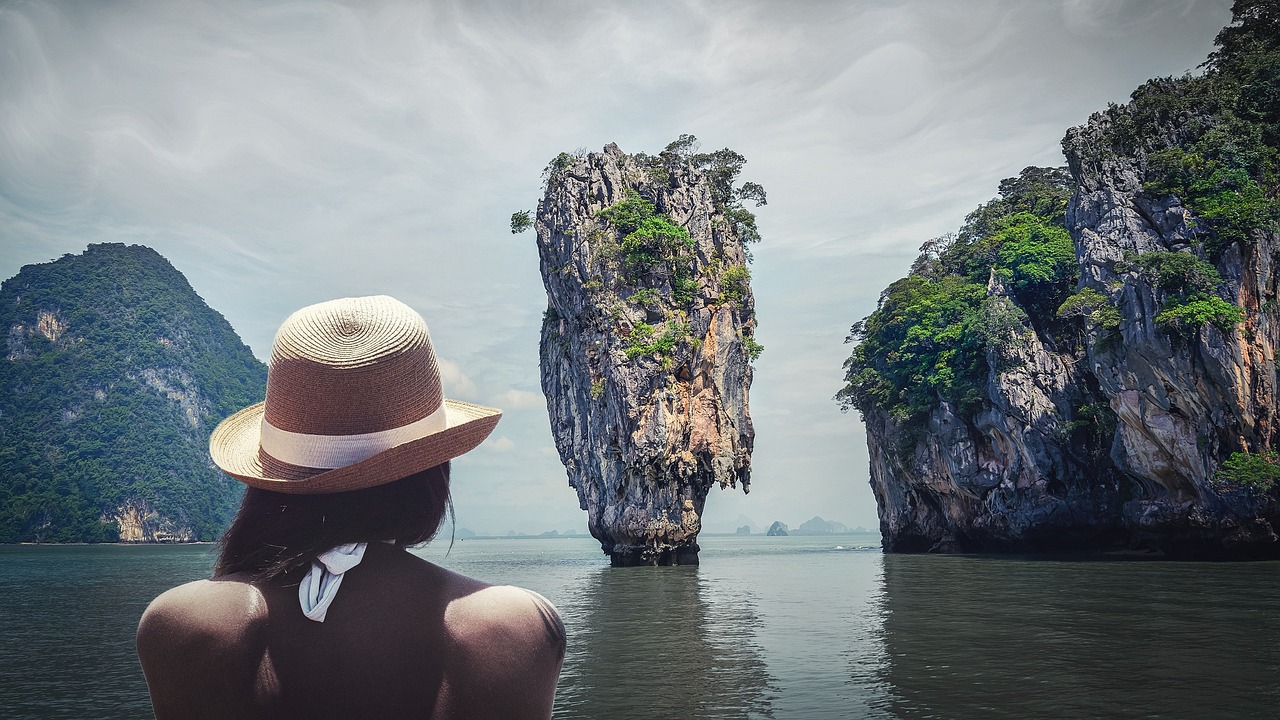

Tucked away in the stunning marine landscape of Phang Nga Bay, James Bond Island stands as one of Thailand’s most recognisable and visited islands. Known for its dramatic limestone karsts rising steeply out of emerald waters, this island has captured the imaginations of travelers worldwide not only for its natural beauty but also for its role in popular culture. It earned global fame after appearing in the 1974 James Bond film The Man with the Golden Gun, and since then its unique silhouette has become an iconic symbol of Thailand’s spectacular geography.
More than just a movie location, James Bond Island is a remarkable place of natural wonder and cultural interest. This guide offers a thorough exploration of the island’s history, landscape, experiences, environmental challenges, and practical tips for visitors who want to see it for themselves.
Where James Bond Island Is and How It Fits Into Phang Nga Bay

James Bond Island known locally as Koh Tapu is located in Phang Nga Bay, a protected area of Southern Thailand between Phuket and the mainland province of Phang Nga. The island’s limestone formations are part of a dramatic seascape of karst towers, hidden coves, and tranquil lagoons that extend over hundreds of square kilometres.
The bay is easily accessed from points such as Phuket, Khao Lak, and Krabi, making it a popular day-trip destination. Boats and tours depart daily, carrying visitors across calm waters to explore limestone islands, mangrove forests, and sea caves.
James Bond Island itself is not large, but its distinctive shape a tall, narrow rock rising dramatically from the water has made it one of the most photographed locations in Thailand. Nearby is Koh Ping Ghan, a larger island with sandy beaches and visitor facilities, which often forms part of the island’s broader exploration.
Also read: The Blanco Renaissance Museum: A Celebration of Art, and Balinese Beauty
How James Bond Island Got Its Name
Although the island’s Thai names include Koh Tapu (“Nail Island”) and Koh Khao Phing Kan, its international fame comes from the James Bond franchise. In the 1974 movie The Man with the Golden Gun, the villain’s lair was filmed among these limestone formations. The movie didn’t invent the beauty of the bay, but it did shine a spotlight on it capturing the dramatic scenery and introducing it to a global audience.
Since the film’s release, the island became known to tourists and photographers as “James Bond Island,” even though locals continue to use its original Thai names in everyday conversation.
What Makes James Bond Island So Special
James Bond Island is as much about its surrounding environment as the rock formation itself. The combination of sheer limestone cliffs, emerald waters, and sheltered channels creates a landscape that feels otherworldly. Several natural features define this unique environment:
1. Limestone Karsts
Towering limestone pinnacles rise directly from the sea, sculpted over millions of years by erosion. These formations create dramatic silhouettes that change with shifting light throughout the day.
2. Emerald Waters
The bay’s shallow waters can take on rich shades of green and blue, reflecting sunlight and the surrounding vegetation to create photogenic contrasts.
3. Sea Caves and Hidden Lagoons
Nearby sea caves and “hongs” (hidden lagoons) lie beneath the karst towers. These can be explored by kayak or longtail boat during low tide, offering serene and intimate natural spaces.
4. Local Culture and Fishing Villages
Close to James Bond Island is Panyee Village, a floating community with a history tied to fishing and maritime life. Here visitors see how local communities adapted to life on the water, with walkways, restaurants, and mosques built on stilts above the bay.
The interplay between dramatic natural scenery and traditional way of life is part of what makes the island and the surrounding bay truly special.

What to Expect on a Typical Visit
Most visitors see James Bond Island as part of a day trip tour from Phuket, Khao Lak, or Krabi. These tours generally include:
Boat Transfer
Departure points vary, but most tours use speedboats or larger tourist boats to cross the bay, offering incredible views of the limestone landscape on the way.
Guided Explanations
Experienced guides share the island’s geology, local lore, and film history as you approach the iconic rock.
Photography Opportunities
Once at the island, visitors typically disembark near the beach area of Koh Ping Ghan and take boat or short walk access to the base of the limestone spire. Photographers and travelers alike make this one of the first must-see photo stops.
Kayaking or Canoeing
Many tours include paddling through sea caves and hidden lagoons. Kayaking offers a calm, close-to-nature experience among towering karst walls and shaded canals.
Lunch and Local Interaction
Some tours include lunch at Panyee Village or a floating restaurant, where visitors can sample local seafood and traditional dishes while overlooking the water.
Optional Stops
Depending on the tour, other destinations may include Phang Nga Bay National Park headquarters, additional limestone caves, and quiet beaches for swimming or relaxing.
Best Time and Conditions for Visiting
Because James Bond Island is part of a coastal area, weather and tides have a significant impact on the experience.
Dry Season (November – April)
This period is generally considered the best time to visit. The weather is more stable, sea conditions calmer, and skies often clearer. Early mornings and late afternoons offer softer light for photography and cooler conditions for exploring.
Rainy Season (May – October)
Rain can be more frequent and heavier, and waters can be choppier. That said, visits during this season are still possible, and the landscapes are lush and dramatic after rain. Tides and sea conditions should be monitored, and tours adjust accordingly.
Visitors should bring sun protection, water, and lightweight rain gear when exploring the area tropical climates can shift rapidly from bright sun to sudden showers.
Environmental Considerations and Preservation
James Bond Island’s popularity comes with environmental responsibilities. The limestone formations and delicate marine ecosystems require ongoing protection. While tourism generates economic benefits for local communities, it also creates challenges:
1. Waste and Pollution
The influx of boats and visitors increases waste and fuel discharge risks. Responsible tour operators and local authorities work to manage litter and encourage practices that minimize environmental impact.
2. Boat Traffic
Heavy boat use can create noise, water turbulence, and shoreline erosion. Following designated channels and speed regulations helps protect the bay’s natural balance.
3. Sensitive Ecosystems
Mangroves, coral fragments, and marine life require gentle interaction. Snorkeling, kayaking, and swimming are most sustainable when done with awareness and respect for habitats.
Visitors can support environmental stewardship by choosing eco-conscious tours, reducing plastic waste, and following guidelines from national park officials.
Cultural and Local Life Around James Bond Island
Just a short distance from the iconic rock of Koh Tapu lies Koh Panyee, a village built entirely on stilts above the water. This community originally established by Malay fishermen operates similarly to many floating villages in Southeast Asia, combining fishing, seafood trade, and tourism services.
Panyee Village features:
- Wooden walkways over water
- Floating restaurants serving fresh seafood
- Local handicraft vendors
- A historic mosque built over the shallows
Visiting Panyee Village provides insight into daily village life and local maritime cultures, contrasting wonderfully with the natural drama of limestone karsts. Travelers often enjoy sunset views from the raised boardwalks or sample local cuisine while watching the tides reflect distant silhouettes.
Safety Tips for Visiting James Bond Island
While James Bond Island is a rewarding destination, safety should always be a priority:
1. Wear a Life Jacket
When kayaking or touring by boat, always wear a properly fitted life jacket.
2. Sun Protection
The open waters reflect sunlight intensely. Sunscreen, hats, and UV-protective clothing help prevent sunburns during long excursions.
3. Footwear
Non-slip water shoes or sandals are recommended for paddling and exploring rocky shorelines.
4. Hydration
Carry water, especially during the heat of the day. Tropical climates dehydrate quickly during physical activity.
5. Respect Local Signs and Barriers
Some areas are sensitive or restricted to protect wildlife and geological features. Follow posted signs and guide instructions.
Also read: 7 Best Places to Go Kayaking in Bali That Show a Different Side of Bali
Why James Bond Island Is Worth Visiting
James Bond Island’s draw arises from a blend of natural grandeur, cinematic fame, and cultural richness. While many travelers explore Thailand’s beaches and temples, visiting this island offers something different: a dramatic geological landscape shaped by millennia, set against the backdrop of turquoise waters and punctuated by human stories of exploration and adaptation.
Here’s why the island continues to captivate visitors:
- Iconic Scenery – Its silhouette is instantly recognisable and visually stunning.
- Photographic Appeal – Every angle between limestone towers, blue waters, and green vegetation is a photographer’s dream.
- Cultural Experience – Nearby villages offer insights into traditional water-based communities.
- Adventure and Reflection – Kayaking, boat tours, and quiet moments by the sea provide variety in experience.
- Accessible Natural Wonder – Despite its dramatic character, the island is reachable as a day trip from major tourist hubs.
For travelers seeking both adventure and serenity, James Bond Island delivers a remarkable contrast of a lively tourist hub and a tranquil, preserved landscape.
Conclusion
James Bond Island is more than a geographic location it is a symbol of Thailand’s natural beauty and the power of the world’s imagination. It shows how a single film can bring international attention to a landscape already rich with geological history and cultural life. Yet even without cinematic fame, the island’s towering karsts, emerald waters, and maritime surroundings would make it an extraordinary destination.
Whether you are drawn by the allure of pop culture, the joy of kayaking through hongs, or the simple pleasure of watching sunlight dance across pristine waters, James Bond Island offers a memorable experience. Its environmental context, cultural backdrop, and the practical reality of exploring its beauty make it one of Thailand’s most fascinating and rewarding destinations.
For anyone hoping to experience an unforgettable blend of natural wonder, local life, and scenic adventure, James Bond Island stands ready a testament to the timeless beauty of Thailand’s coastal heritage.


I'm a manager of Jungle Inn Hotel in Bukit Lawang and a leading expert in Bukit Lawang eco-travel. With years of experience in sustainable tourism, i am dedicated to preserving the region’s rich biodiversity while providing authentic jungle experiences for visitors.