
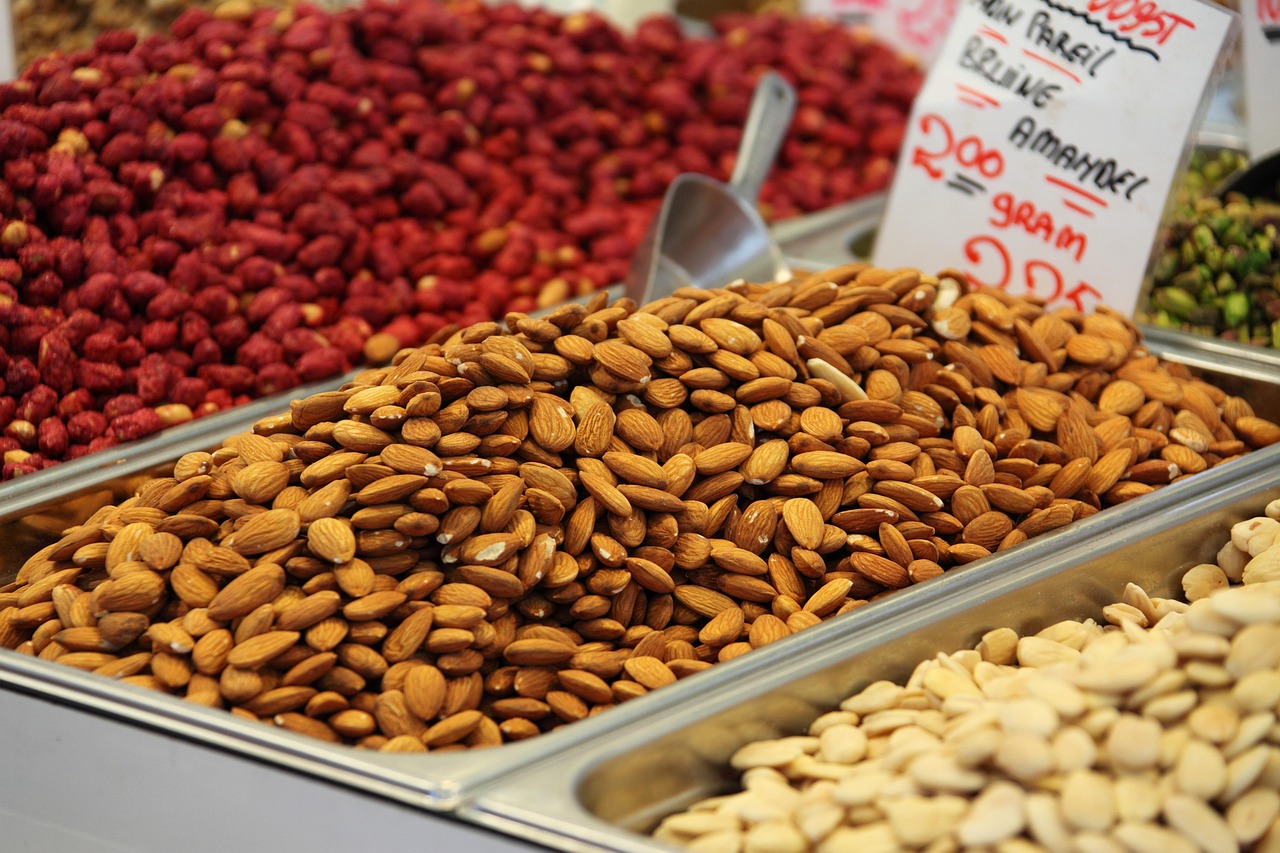

Bangkok is famous for its vibrant street life, rich cultural heritage, and endless shopping opportunities, but few places capture the city’s energy quite like Chatuchak Market. Often referred to as the world’s largest weekend market, Chatuchak is not just a shopping destination it is an experience that reflects Thailand’s creativity, entrepreneurship, and everyday life. Spanning a vast area and hosting thousands of vendors, the market attracts locals and travelers alike who come to browse, eat, explore, and immerse themselves in one of the most dynamic marketplaces on the planet.
Whether you are searching for unique souvenirs, local fashion, handcrafted goods, exotic plants, or authentic Thai street food, Chatuchak Market offers an unparalleled variety. This article explores everything you need to know about Chatuchak Market, from its history and layout to what to buy, how to navigate it, and tips for making the most of your visit.
What Is Chatuchak Market?
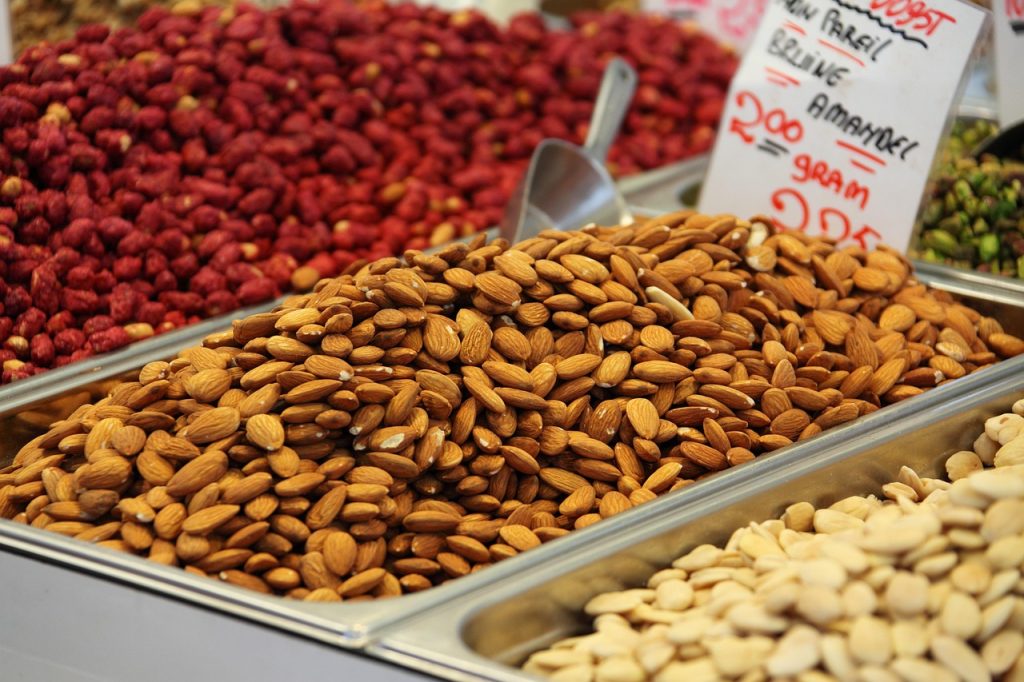
Chatuchak Market, commonly known as JJ Market, is a massive open-air market located in northern Bangkok. It operates mainly on weekends and is widely recognized as the largest weekend market in the world. With thousands of stalls spread across dozens of sections, the market sells nearly everything imaginable, making it one of the most diverse shopping destinations anywhere.
Unlike modern shopping malls with fixed stores and air-conditioning, Chatuchak is a living, breathing environment where narrow lanes twist through a maze of vendors, music plays from small speakers, food sizzles on grills, and bargaining is part of the experience. The market is not curated for tourists alone—it is deeply rooted in local commerce and culture.
Also read: Top 10 Budget Friendly Things to Do in Kuta, Bali in 2026
A Brief History of Chatuchak Market
Chatuchak Market has its origins in the mid-20th century when Bangkok’s authorities sought to create designated spaces for public markets across the city. Over time, Chatuchak grew into a centralized marketplace where vendors from different districts could sell goods in one location.
The market’s name comes from the Chatuchak district, and its expansion over decades transformed it into a major economic hub for small businesses, artisans, farmers, and traders. What began as a local market gradually evolved into an international attraction, drawing millions of visitors each year.
Despite its enormous size and popularity, Chatuchak has retained its informal, grassroots character. Many vendors are family-run businesses, some passed down through generations, giving the market a strong sense of continuity and authenticity.
How Big Is Chatuchak Market?
Chatuchak Market is enormous. It covers an area of more than 30 acres and contains over 15,000 stalls, divided into approximately 27 sections. On a typical weekend, the market can attract hundreds of thousands of visitors per day, making it one of the busiest marketplaces in the world.
The market’s size can feel overwhelming for first-time visitors, but its organization into sections helps make navigation more manageable especially if you know what you’re looking for.
Understanding the Market Layout
To make the most of Chatuchak Market, it helps to understand how it is organized. While the lanes may seem chaotic at first glance, the market is divided into distinct sections based on product categories.
Major Sections Include:
- Clothing and Fashion – Casual wear, vintage clothing, street fashion, and accessories
- Handicrafts and Souvenirs – Handmade items, Thai crafts, home décor, and gifts
- Art and Antiques – Paintings, sculptures, collectibles, and vintage items
- Home and Décor – Furniture, ceramics, lamps, and decorative pieces
- Books and Stationery – New and secondhand books, notebooks, and prints
- Plants and Gardening – Trees, flowers, succulents, pots, and gardening tools
- Pets and Pet Supplies – Animals, cages, food, and accessories (regulated areas)
- Food and Beverages – Street food stalls, drinks, desserts, and snacks
Maps are displayed at various entrances, and numbered sections help orient visitors as they explore.

What to Buy at Chatuchak Market
One of Chatuchak Market’s greatest strengths is its extraordinary range of products. Here are some of the most popular and worthwhile items to look for:
1. Thai Handicrafts
Handwoven textiles, wooden carvings, ceramics, and traditional crafts are widely available. These items often reflect regional Thai styles and make meaningful souvenirs.
2. Fashion and Accessories
Chatuchak is known for affordable clothing, including casual wear, bohemian styles, vintage pieces, and handmade accessories. Many local designers use the market as a platform to showcase original designs.
3. Home Décor
From decorative pillows and wall art to handmade lamps and furniture, the home décor sections offer creative items not easily found in conventional stores.
4. Art and Collectibles
Local artists sell paintings, sketches, prints, and sculptures, while collectors browse stalls offering antiques, retro items, and memorabilia.
5. Plants and Flowers
The plant section is especially popular with locals. Visitors can find everything from orchids and bonsai trees to tropical plants and gardening supplies.
6. Food and Snacks
Thai street food is a highlight of the Chatuchak experience. Grilled meats, fresh fruit, coconut ice cream, noodles, and desserts provide fuel for hours of exploration.
Food at Chatuchak Market: A Culinary Adventure
Exploring Chatuchak Market is a physical activity, and food plays a vital role in the experience. Food stalls are scattered throughout the market, offering both quick snacks and full meals.
Popular Food Options Include:
- Grilled chicken, pork skewers, and sausages
- Pad Thai and fried noodle dishes
- Coconut ice cream served in coconut shells
- Fresh fruit smoothies and iced drinks
- Traditional Thai desserts made with coconut milk and palm sugar
Food prices are generally affordable, and many visitors enjoy grazing from stall to stall while exploring the market.
Best Time to Visit Chatuchak Market
Chatuchak Market primarily operates on weekends, with Saturday and Sunday being the busiest days.
Recommended Visiting Times:
- Early Morning (9:00–11:00 AM): Cooler temperatures and fewer crowds
- Late Afternoon (4:00–6:00 PM): Slightly cooler weather and lively atmosphere
Midday can be very hot and crowded, especially during Bangkok’s warmer months. If possible, plan breaks for hydration and rest.
How to Get to Chatuchak Market
Chatuchak Market is well connected to Bangkok’s public transportation system, making it relatively easy to reach. Several entrances lead directly into different sections of the market, so choosing the right entry point can save time depending on your shopping goals.
Arriving by public transport helps avoid traffic congestion and parking difficulties, especially on busy weekends.
Tips for Navigating Chatuchak Market
1. Wear Comfortable Clothing
Light clothing, comfortable shoes, and sun protection are essential due to heat and walking distances.
2. Bring Cash
While some vendors accept digital payments, many still prefer cash, especially for small purchases.
3. Stay Hydrated
Bring water or buy drinks frequently to avoid dehydration.
4. Bargain Politely
Bargaining is common, but should be done respectfully and with a friendly attitude.
5. Take Breaks
Rest areas, cafes, and shaded spots help prevent exhaustion during long visits.
6. Keep Valuables Secure
As with any crowded place, keep personal belongings safe and be mindful of your surroundings.
Chatuchak Market for First-Time Visitors
For first-time visitors, Chatuchak Market can feel overwhelming—but that’s part of its charm. Instead of trying to see everything, focus on enjoying the experience. Pick a few sections that interest you, wander without pressure, and allow yourself to get lost in the market’s rhythm.
Many visitors find that Chatuchak is not about efficient shopping, but about discovery—finding unexpected items, tasting new foods, and observing local life in motion.
Why Chatuchak Market Is So Special
What sets Chatuchak Market apart from other markets around the world is not just its size, but its spirit. It is:
- A platform for small businesses and local artisans
- A cultural crossroads where locals and travelers mingle
- A sensory experience filled with colors, sounds, and flavors
- A reflection of Bangkok’s entrepreneurial energy and creativity
Unlike luxury shopping centers, Chatuchak celebrates individuality and human connection. Every stall tells a story, and every visit offers something new.
Also read: Camiguin Island: Everything You Need to Know
Cultural Etiquette and Responsible Visiting
Visitors should remember that Chatuchak Market is a working environment for thousands of vendors. Respectful behavior enhances the experience for everyone.
- Ask before taking photos of people or stalls
- Avoid blocking walkways
- Dispose of trash properly
- Treat vendors with courtesy and patience
Responsible tourism helps preserve the market’s welcoming atmosphere and sustainability.
Conclusion
Chatuchak Market stands as one of the world’s most remarkable marketplaces not just because of its immense size, but because of the life and culture it contains. It is a place where tradition meets modern creativity, where locals earn livelihoods, and where visitors gain insight into Thailand’s everyday rhythm.
From handcrafted souvenirs and stylish clothing to unforgettable street food and spontaneous discoveries, Chatuchak Market offers something for everyone. Whether you spend a few hours or an entire day exploring its lanes, the experience leaves a lasting impression.
For anyone visiting Bangkok, Chatuchak Market is more than a shopping destination—it is a cultural journey, a social experience, and a vivid snapshot of life in one of the world’s most dynamic cities.


I am a seasoned travel, explorer, and storyteller whose journeys have taken me across continents for more than a decade. With a passion for uncovering hidden gems, authentic cultures, and extraordinary landscapes, i have built a reputation as a trusted voice in the world of travel.
From trekking through remote mountain villages in the Himalayas to discovering vibrant street cultures in Europe, Southeast Asia, and South America, my experience bring depth, insight, and inspiration to every piece i write. I specializes in practical travel guides, cultural explorations, luxury escapes, and adventure-based storytelling that help readers travel smarter and connect more deeply with the world.
