
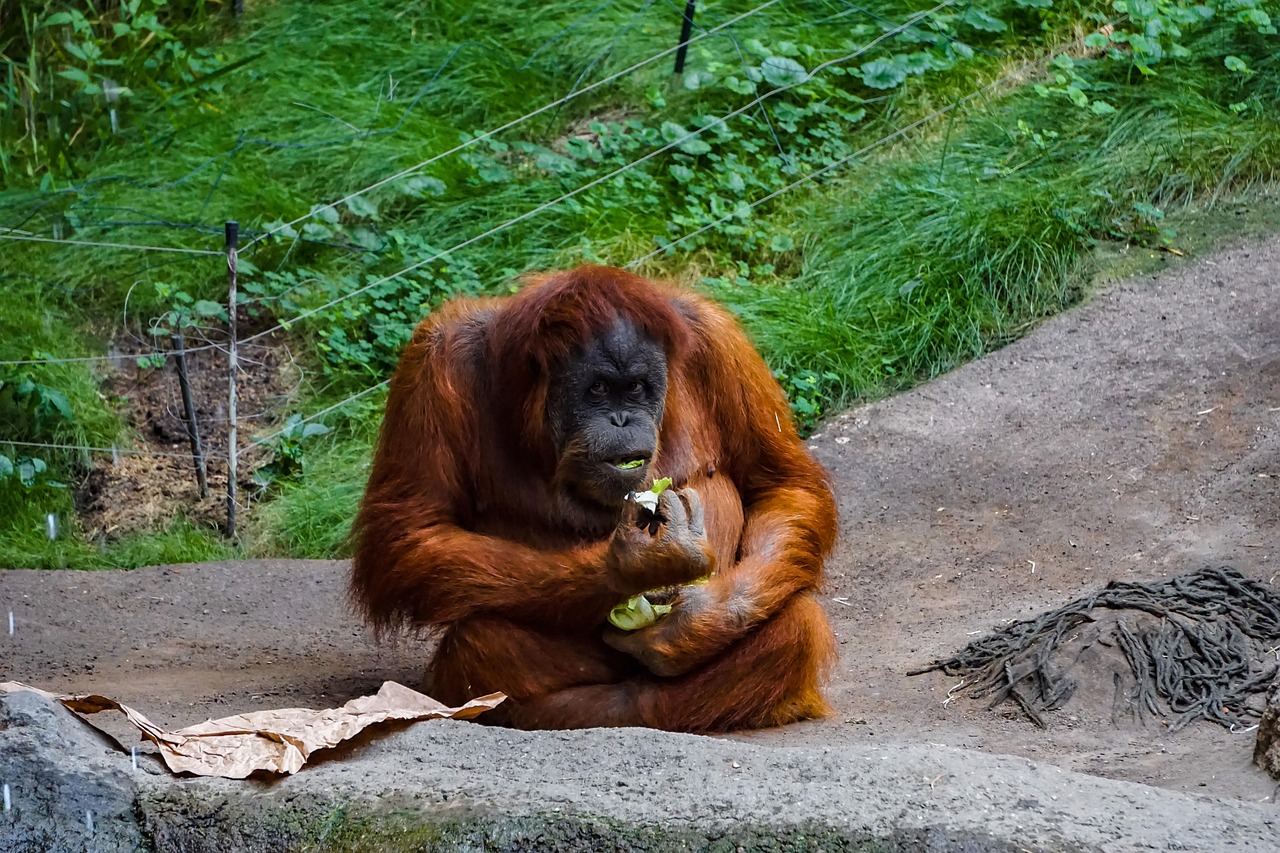

Indonesian orangutans are among the most intelligent and fascinating primates on Earth. Endemic to Indonesia, these great apes play a crucial role in maintaining tropical rainforest ecosystems while symbolizing the urgent global challenge of wildlife conservation. Known for their distinctive reddish-brown hair, long arms, and remarkable cognitive abilities, orangutans share approximately 97 percent of their DNA with humans, making their survival deeply interconnected with our own environmental choices.
Despite their importance, Indonesian orangutans face increasing threats due to habitat loss, illegal wildlife trade, and climate change. Understanding their natural habitat, behavior, and survival strategies in the wild is essential to appreciating their ecological value and the urgency of protecting them. This comprehensive guide explores orangutans in Indonesia from a scientific, ecological, and conservation-based perspective.
What Are Indonesian Orangutans?
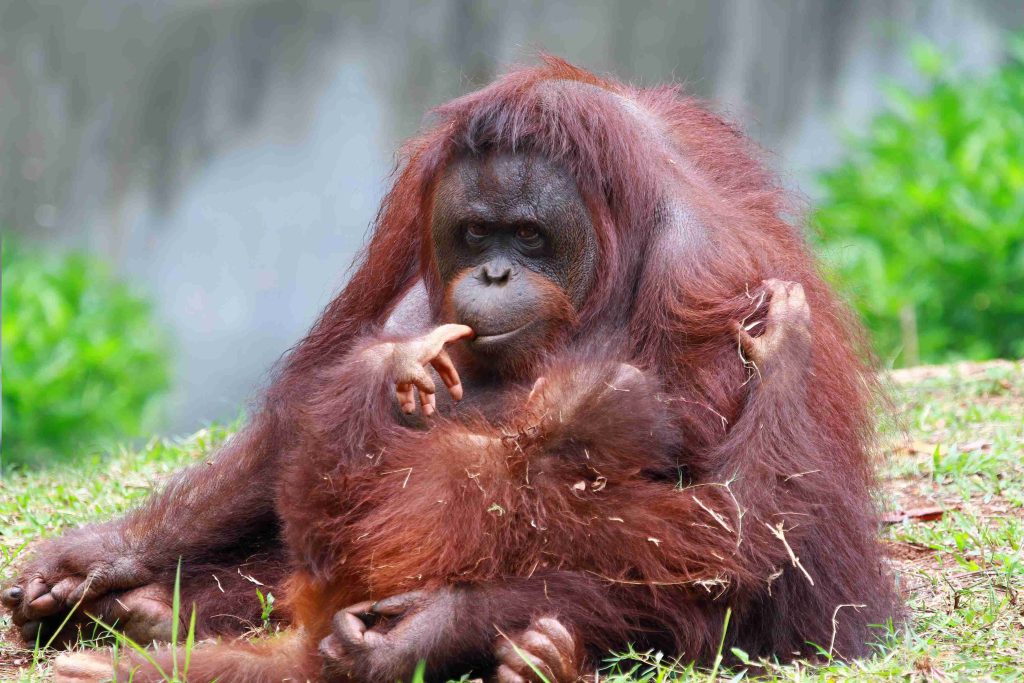
Orangutans are large arboreal great apes native exclusively to Southeast Asia. In Indonesia, orangutans are found on the islands of Sumatra and Borneo (Kalimantan). The word orangutan comes from the Malay and Indonesian phrase “orang hutan,” meaning “person of the forest,” a name that reflects both their human-like intelligence and their deep dependence on forest ecosystems.
There are three recognized orangutan species, two of which live in Indonesia:
- Sumatran Orangutan (Pongo abelii)
- Tapanuli Orangutan (Pongo tapanuliensis)
- Bornean Orangutan (Pongo pygmaeus) (shared between Indonesia and Malaysia)
All orangutan species are classified as Critically Endangered, making them among the most threatened primates in the world.
Also read: Yoga in Bukit Lawang: Finding Inner Peace in the Heart of the Jungle
Natural Habitat of Indonesian Orangutans
Tropical Rainforests
Indonesian orangutans primarily inhabit lowland tropical rainforests, although they can also be found in peat swamp forests, riverine forests, and montane forests. These habitats provide the dense canopy structure and diverse plant life that orangutans rely on for food, shelter, and movement.
Orangutans are highly arboreal, spending most of their lives in trees. Their long arms, flexible joints, and powerful grip allow them to move efficiently through forest canopies without descending to the ground.

Geographic Distribution
- Sumatra: Orangutans inhabit the northern rainforests, particularly in Aceh and North Sumatra
- Kalimantan (Indonesian Borneo): Found across several provinces, including Central, East, and West Kalimantan
Each population has adapted to slightly different environmental conditions, influencing behavior, diet, and social patterns.
Diet and Feeding Behavior
Primary Food Sources
Orangutans are primarily frugivorous, meaning fruit makes up the majority of their diet. However, their feeding habits are highly flexible and depend on seasonal availability.
Common food sources include:
- Wild fruits such as figs and durians
- Young leaves and shoots
- Bark and tree cambium
- Flowers
- Insects such as termites and ants
- Occasionally bird eggs and small invertebrates
Ecological Role as Seed Dispersers
Orangutans play a critical role as seed dispersers. By consuming fruit and traveling long distances through the forest, they help regenerate forests by spreading seeds through their droppings. This makes them a keystone species—when orangutans disappear, forest health declines.
Behavior and Social Structure
Semi-Solitary Lifestyle
Unlike gorillas or chimpanzees, orangutans are largely semi-solitary. Adult males typically live alone, while females are often accompanied by their offspring. Social interactions occur mainly during mating or when food is abundant.
Intelligence and Tool Use
Orangutans are considered among the most intelligent non-human primates. They exhibit:
- Tool use, such as using sticks to extract insects or seeds
- Problem-solving skills
- Long-term memory of food locations
- Observational learning, especially between mothers and infants
Young orangutans stay with their mothers for up to 7–9 years, one of the longest dependency periods in the animal kingdom, learning survival skills essential for life in the wild.
Reproduction and Life Cycle
Slow Reproductive Rate
Orangutans have one of the slowest reproduction rates among mammals. Females typically give birth to one infant every 6–9 years. This slow cycle makes population recovery extremely difficult once numbers decline.
Infant Care
Infants are completely dependent on their mothers for:
- Food
- Protection
- Social learning
- Nest-building skills
This long maternal bond is critical for passing down survival knowledge across generations.
Daily Life in the Wild
Nest Building
Orangutans build a new nest every night using branches and leaves high in the trees. These nests provide safety, warmth, and comfort. Some individuals also build day nests for resting.
Movement and Territory
Orangutans have large home ranges and rely on memory rather than fixed trails to navigate forests. Adult males may travel widely, while females maintain more stable territories.
Threats to Orangutan Survival
Deforestation
The biggest threat to Indonesian orangutans is habitat destruction, mainly due to:
- Palm oil plantations
- Logging
- Mining
- Infrastructure development
As forests shrink, orangutans lose food sources and safe nesting areas.
Illegal Wildlife Trade
Young orangutans are sometimes captured and sold illegally as pets. This often involves killing the mother, further devastating wild populations.
Human–Wildlife Conflict
As forests are cleared, orangutans may enter farmland in search of food, leading to conflict with humans and sometimes fatal consequences.
Climate Change
Changing rainfall patterns and rising temperatures affect fruiting seasons, increasing food scarcity and stress on orangutan populations.
Conservation Efforts in Indonesia
Protected Areas
Indonesia has established national parks and conservation zones to protect orangutan habitats. These areas are essential for maintaining viable wild populations.
Rehabilitation and Reintroduction
Rescue centers rehabilitate orphaned and displaced orangutans, teaching them survival skills before reintroducing them into protected forests.
Community-Based Conservation
Involving local communities through education, sustainable livelihoods, and eco-tourism helps reduce deforestation and promote coexistence.
Why Orangutans Matter to Humans
Orangutans are not only a symbol of Indonesia’s natural heritage but also vital to:
- Forest regeneration
- Biodiversity balance
- Climate regulation through healthy rainforests
Protecting orangutans means protecting ecosystems that benefit millions of people.
Responsible Orangutan Tourism
Ethical wildlife tourism can support conservation when done responsibly. Visitors should:
- Observe orangutans from a safe distance
- Avoid direct interaction or feeding
- Choose eco-certified tour operators
- Respect conservation guidelines
Responsible tourism helps fund protection efforts without harming wildlife.
Also read: Jungle Gym Bukit Lawang: The Best Gym in the Heart of the Rainforest
Future of Indonesian Orangutans
The future of Indonesian orangutans depends on collective action strong environmental policies, responsible business practices, community involvement, and global awareness. While the challenges are immense, successful conservation initiatives prove that recovery is possible when ecosystems are protected and human impact is reduced.
Final Thoughts
Indonesian orangutans are extraordinary creatures whose survival is deeply tied to the health of tropical rainforests. Their intelligence, emotional depth, and ecological importance make them irreplaceable guardians of the forest. By understanding their habitat, behavior, and challenges in the wild, we take the first step toward ensuring they continue to thrive for generations to come.
Protecting orangutans is not just about saving a species, it is about preserving the natural balance of one of the most biodiverse regions on Earth.


Merry Ludrig
I am a dedicated wildlife researcher, author, and conservation storyteller with a deep expertise in orangutan species, tropical ecosystems, and rainforest biodiversity. Over the years, I have spent extensive time observing orangutans in their natural habitats, documenting their behavior, social structures, and environmental challenges across Southeast Asia’s most important conservation regions.
Driven by a passion for protecting endangered wildlife, i have collaborated with conservation organizations, local forest communities, and environmental researchers to promote sustainable practices and raise global awareness about the fragile state of the world’s rainforests. My work blend scientific insight with compelling narrative, making complex ecological topics accessible and inspiring to readers of all backgrounds.


