

Croatia is a country where history is not confined to museums but woven into everyday life. From ancient Roman palaces that still anchor modern cities to medieval fortresses overlooking the Adriatic Sea, the layers of the past are visible at nearly every turn. Positioned at the crossroads of empires and trade routes for centuries, Croatia has absorbed influences from the Romans, Venetians, Byzantines, and Habsburgs, each leaving behind architectural and cultural legacies that remain remarkably well preserved.
For travelers who are drawn to stories carved in stone, cobbled streets shaped by time, and landmarks recognized by UNESCO, Croatia offers an unforgettable journey through European history.
10 Best Places in Croatia for History and Heritage Lovers
Croatia has emerged as one of Europe’s most compelling destinations for travelers who are passionate about history and cultural heritage. Positioned at the crossroads of Central Europe, the Mediterranean, and the Balkans, the country has been shaped by Illyrian tribes, the Roman Empire, the Byzantine world, the Venetian Republic, the Austro Hungarian Empire, and the former Yugoslavia. Each era left a visible mark on Croatia’s cities, architecture, and traditions.
Today, Croatia is home to ten UNESCO World Heritage Sites, several of which are cultural landmarks of global importance. For history and heritage lovers, the country offers remarkably well preserved Roman palaces, medieval walled cities, Renaissance cathedrals, and early Christian basilicas. This guide explores ten of the best places in Croatia for travelers who want to experience the depth of the nation’s past.
1. Dubrovnik Old Town
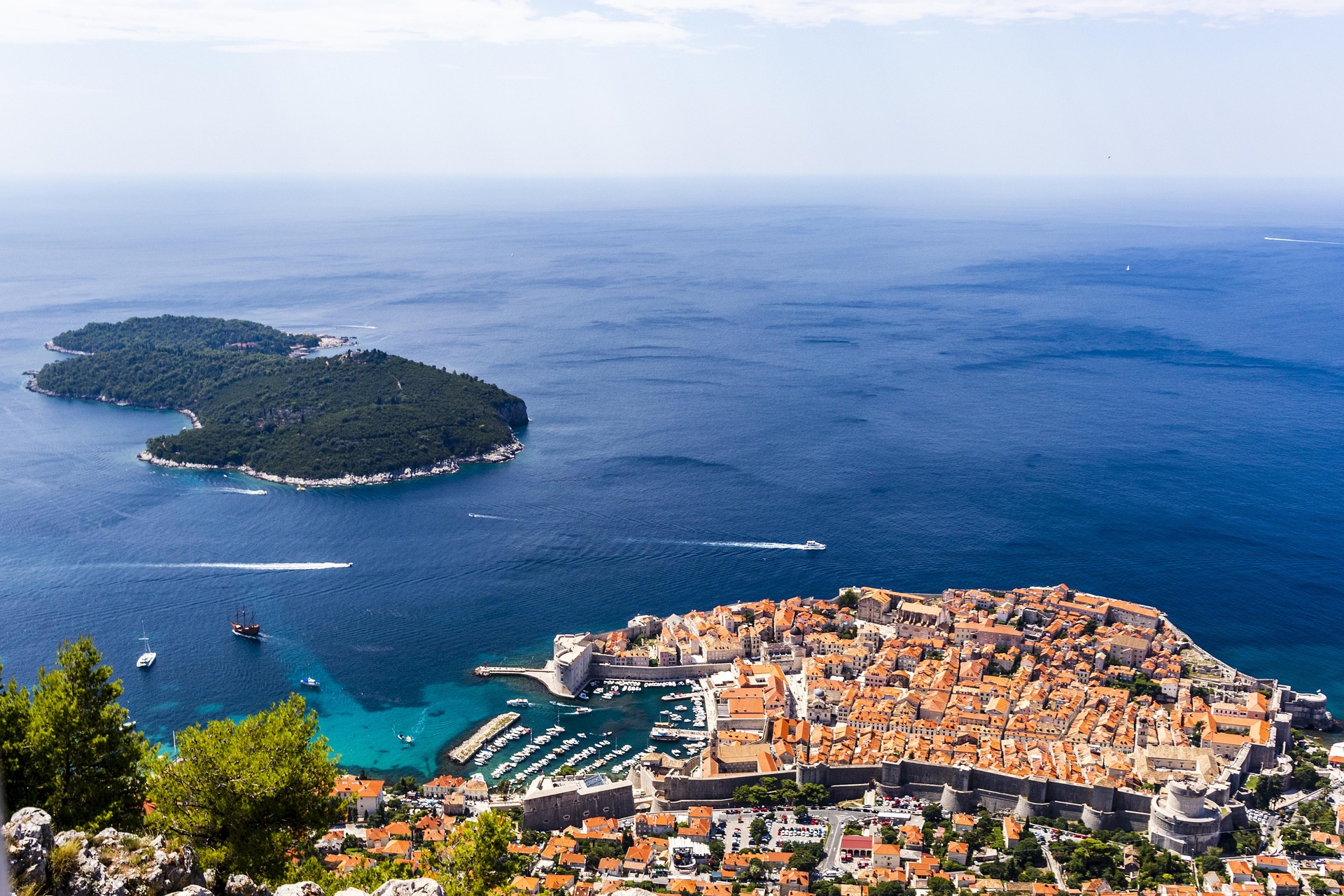
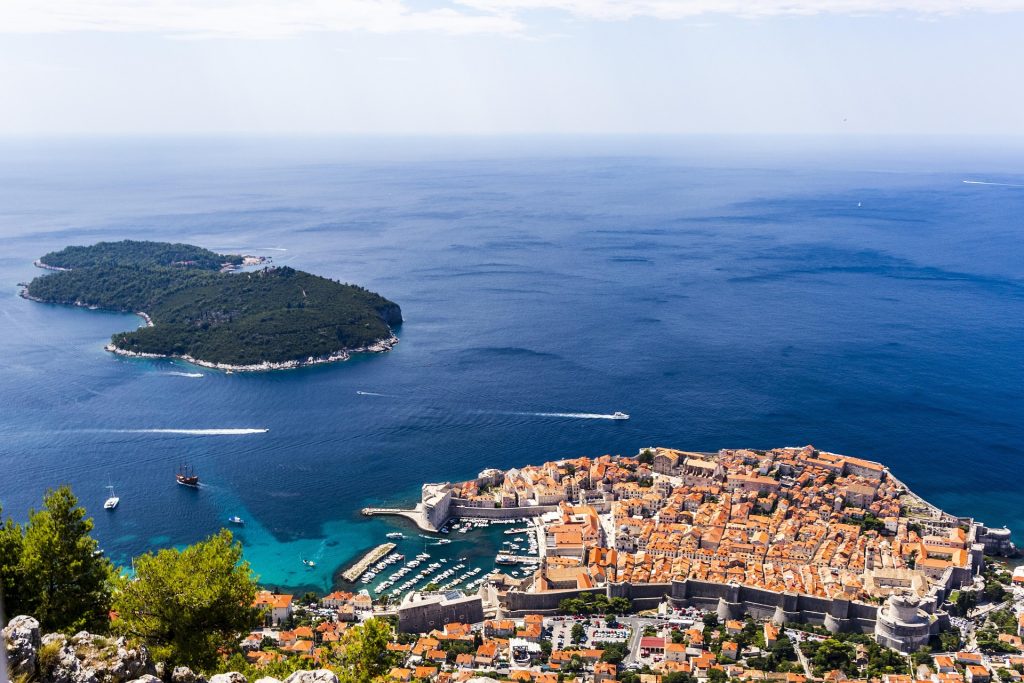
The walled city of Dubrovnik is one of the most recognizable historic centers in Europe. Located on the Adriatic coast, Dubrovnik was once the capital of the independent Republic of Ragusa, a powerful maritime state that flourished from the fourteenth to the nineteenth century.
Dubrovnik’s Old Town has been a UNESCO World Heritage Site since 1979. The city walls, which stretch for nearly two kilometers, were constructed between the twelfth and seventeenth centuries and remain among the most complete fortification systems in Europe.
What to See in Dubrovnik
- The City Walls, offering panoramic views of the Adriatic Sea
- Rector’s Palace, once the seat of the Republic’s government
- Sponza Palace, a Gothic Renaissance building from the sixteenth century
- Dubrovnik Cathedral, rebuilt after the devastating earthquake of 1667
The earthquake of 1667 destroyed much of the city, but Dubrovnik was rebuilt in Baroque style, giving it a distinctive architectural harmony that visitors can still admire today.
2. Diocletian’s Palace in Split
In the coastal city of Split stands one of the most extraordinary Roman monuments in the world: Diocletian’s Palace. Built between 295 and 305 CE for the Roman Emperor Diocletian, the palace was both a retirement residence and a military fortress.
Recognized as a UNESCO World Heritage Site in 1979, the palace complex covers approximately 30,000 square meters and forms the historic core of modern Split.
Architectural Highlights
- The Peristyle, a grand Roman courtyard
- The Cathedral of Saint Domnius, originally Diocletian’s mausoleum
- The Temple of Jupiter
- The ancient substructures beneath the palace
Unlike many Roman ruins, Diocletian’s Palace is not a static archaeological site. It remains a living part of the city, with shops, homes, and restaurants operating within its ancient walls.
Also read: James Bond Island: One of Thailand’s Most Famous Islands
3. Pula Arena
Located in the Istrian Peninsula, the city of Pula is home to one of the best preserved Roman amphitheaters in the world. The Pula Arena was constructed in the first century CE during the reign of Emperor Vespasian, the same ruler who commissioned the Colosseum in Rome.
The amphitheater could originally accommodate around 20,000 spectators and was used for gladiatorial contests. Today, it hosts concerts and cultural events while preserving its Roman architectural integrity.
For history enthusiasts, the Arena provides direct insight into Roman entertainment culture and engineering expertise.

4. Historic City of Trogir
The small coastal town of Trogir, also designated as a UNESCO World Heritage Site in 1997, is often described as an open air museum. Founded as a Greek colony in the third century BCE, Trogir later came under Roman and Venetian rule.
Its medieval street plan remains intact, and the town is filled with Romanesque, Gothic, Renaissance, and Baroque buildings.
Key Landmarks in Trogir
- Cathedral of Saint Lawrence, completed in the thirteenth century
- Kamerlengo Fortress, built by the Venetians in the fifteenth century
- The City Loggia and Clock Tower
Trogir’s compact size makes it easy to explore on foot while absorbing centuries of architectural evolution.
5. Šibenik and the Cathedral of Saint James
Šibenik is particularly significant for the Cathedral of Saint James, a UNESCO World Heritage Site since 2000. Constructed between 1431 and 1535, the cathedral is considered a masterpiece of Renaissance architecture in Croatia.
What makes it remarkable is that it was built entirely of stone without the use of mortar or wooden supports. The cathedral also features a frieze of 71 sculpted faces believed to represent local citizens from the fifteenth century.
Šibenik itself is one of the oldest native Croatian towns on the Adriatic, first mentioned in 1066 in a charter issued by King Petar Krešimir IV.
6. Plitvice Lakes National Park
Although primarily known for its natural beauty, Plitvice Lakes National Park holds cultural and historical importance as well. Designated as Croatia’s first national park in 1949, it became a UNESCO World Heritage Site in 1979.
The park is renowned for its system of 16 terraced lakes connected by waterfalls. Historically, the area was a frontier zone between the Habsburg Monarchy and the Ottoman Empire, forming part of the Military Frontier.
For heritage lovers, Plitvice offers insight into both environmental conservation history and the strategic importance of inland Croatia.
7. Zadar Old Town
Zadar has a history stretching back over 3,000 years. Originally settled by the Liburnians, an Illyrian tribe, it later became a Roman colony in 59 BCE.
Visitors can still see remnants of the Roman Forum built in the first century BCE. The Church of Saint Donatus, constructed in the ninth century, is one of the most important examples of early medieval architecture in Croatia.
Zadar’s layered past reflects Roman, Byzantine, Venetian, and Austro Hungarian influences, all visible within its compact historic center.
8. Hvar Town
The island of Hvar is often associated with glamorous tourism, but it also possesses significant historical heritage. Hvar Town developed under Venetian rule, and its architecture reflects Renaissance and Gothic influences.
The Fortica Fortress, built in the sixteenth century, overlooks the town and provides panoramic views of the Adriatic. The Cathedral of Saint Stephen and the Arsenal building further highlight Hvar’s historical importance as a maritime center.
9. Varaždin
Located in northern Croatia, Varaždin was the country’s capital from 1767 to 1776. The city is known for its well preserved Baroque architecture.
After a major fire in 1776, much of Varaždin was rebuilt in Baroque style, giving it a distinctive appearance compared to coastal cities influenced by Venetian design.
Notable Sites in Varaždin
- Varaždin Castle, also known as Stari Grad
- Cathedral of the Assumption
- Numerous Baroque palaces and churches
For travelers interested in Habsburg era history, Varaždin offers a different perspective from the Adriatic coast.
10. Stari Grad Plain on Hvar
Also located on the island of Hvar, the Stari Grad Plain is a UNESCO World Heritage Site recognized in 2008. Established by Greek colonists from the island of Paros in the fourth century BCE, the agricultural landscape has remained largely unchanged for over 2,400 years.
The plain still preserves the original Greek system of land division known as chora, making it one of the best preserved examples of ancient agricultural planning in the Mediterranean.
This site demonstrates continuity between ancient Greek settlement patterns and modern agricultural practices.
Why Croatia Stands Out for Heritage Travel
Croatia’s historical appeal lies in its diversity and preservation. Within a relatively small geographic area, travelers can encounter:
- Roman imperial architecture
- Medieval fortified cities
- Renaissance cathedrals
- Baroque palaces
- Ancient Greek agricultural landscapes
The country’s commitment to conservation, especially through collaboration with UNESCO and national heritage institutions, has ensured that these sites remain accessible and well maintained.
Also read: 10 Best Places to Visit in Scotland for an Unforgettable Journey
Practical Tips for History Enthusiasts
When planning a heritage focused trip to Croatia, consider the following:
Best Time to Visit
Spring and early autumn offer pleasant weather with fewer crowds, particularly in Dubrovnik and Split.
Transportation
Croatia’s coastal cities are well connected by road and ferry services. Inland destinations like Varaždin are accessible by train or car from Zagreb.
Guided Tours
Local guides often provide valuable historical context that enhances the experience, especially at complex sites such as Diocletian’s Palace.
Conclusion
Croatia’s rich tapestry of civilizations makes it one of Europe’s most rewarding destinations for history and heritage lovers. From Roman emperors and medieval republics to Renaissance architects and ancient Greek settlers, the country’s past is vividly preserved in stone, streets, and landscapes.
Whether you are walking along Dubrovnik’s city walls, standing inside Diocletian’s Palace in Split, or exploring the ancient agricultural plots of the Stari Grad Plain, Croatia offers a journey through time that is both immersive and unforgettable. For travelers who value authenticity, preservation, and historical depth, these ten destinations represent the very best of Croatia’s cultural heritage.


Steven Liddell
I am an insightful travel analyst, writer, and global adventurer whose work blends deep analytical thinking with a passion for understanding the world’s cultures, landscapes, and human stories. With years of experience exploring both well-known destinations and remote corners of the globe, i have developed a unique ability to examine travel through the lenses of culture, economics, sustainability, and human behavior.
My writing goes beyond simple storytelling, i am known for my thoughtful analysis of travel trends, destination development, and the evolving relationship between people and place. From studying how tourism impacts local communities to documenting transformative journeys across continents, my work delivers clarity, perspective, and meaningful insight to readers seeking more than surface-level travel content.
