
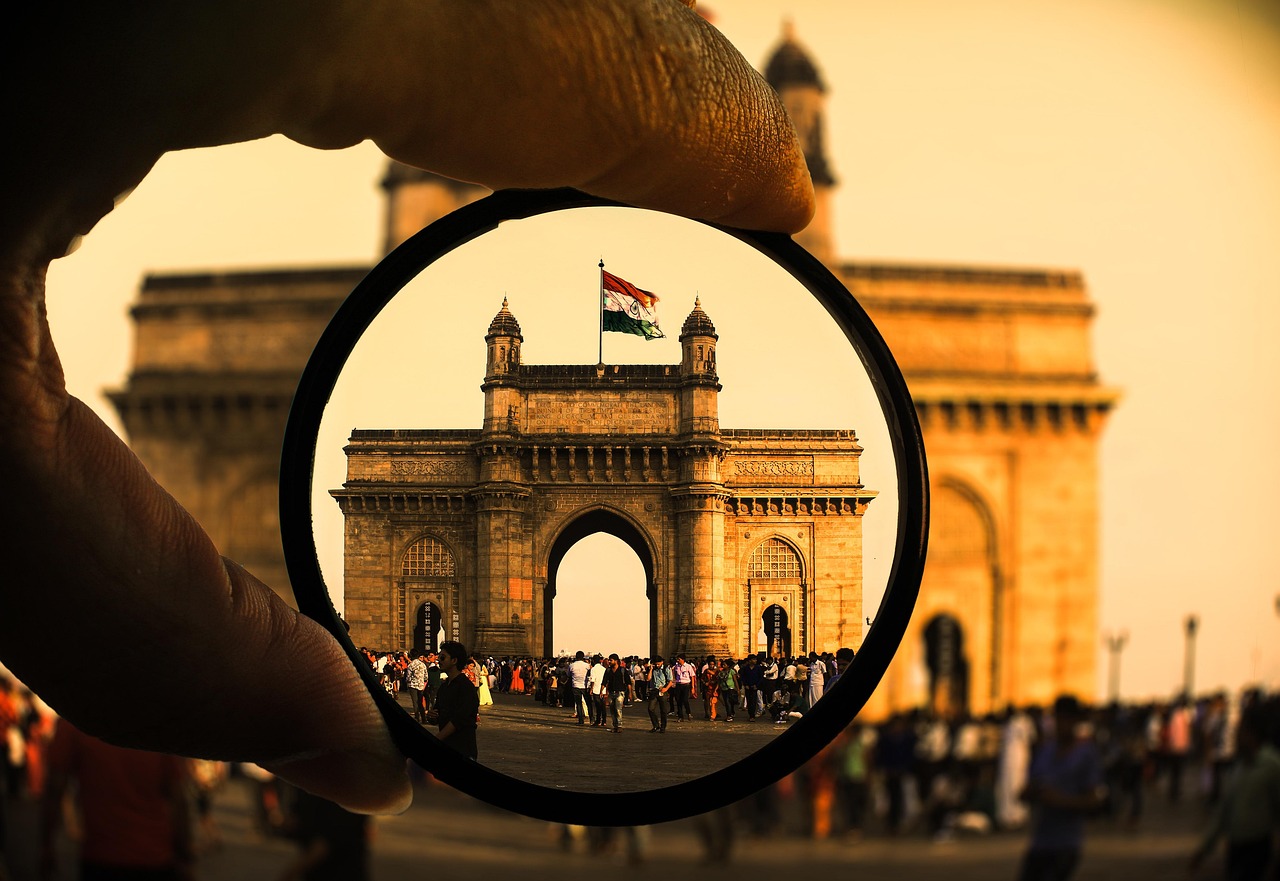

India is a land where history doesn’t just live in textbooks—it breathes through its ancient temples, majestic forts, royal palaces, and time-worn ruins that echo the tales of empires, devotion, artistry, and resilience. With a civilization that stretches back thousands of years, India offers a treasure trove of historical landmarks that captivate the mind and soul.
Whether you’re a traveler fascinated by architecture, a student of history, or someone seeking cultural depth, the country’s historic sites provide an unforgettable journey into the past. As we step into 2025, with improved infrastructure and sustainable tourism initiatives, there’s no better time to explore the 7 Best Historical Places in India You Must Visit—each one a doorway into India’s rich and enduring legacy.
7 Best Historical Places in India You Must Visit in 2025
Whether you’re a heritage enthusiast, a photographer, a student of architecture, or a casual traveler, this list of the 7 best historical places in India is curated to give you a rich, meaningful journey through time.
1. Taj Mahal, Agra
- Location: Agra, Uttar Pradesh
- Built By: Emperor Shah Jahan (Mughal Empire)
- Constructed: 1632–1653 CE
- UNESCO World Heritage Site: Yes (since 1983)
Why Visit:
No list of historical places in India is complete without the Taj Mahal, one of the Seven Wonders of the World. A stunning white marble mausoleum, it was built by Emperor Shah Jahan in memory of his beloved wife Mumtaz Mahal. With its intricate inlay work, Persian-style gardens, and symmetrical domes, the Taj is a masterpiece of Mughal architecture and an enduring symbol of eternal love.
Highlights:
- Change of hues with daylight and moonlight.
- The Taj Museum and Mehtab Bagh (opposite bank views).
- Early morning or night viewings for fewer crowds.
Travel Tip for 2025:
Online ticketing, QR-based access, and AR-guided tours are now available to avoid long queues and enhance visitor experience.

2. Hampi, Karnataka
- Location: Bellary District, Karnataka
- Capital of: Vijayanagara Empire
- UNESCO World Heritage Site: Yes (since 1986)
Why Visit:
Once one of the richest cities in the world, Hampi was the thriving capital of the Vijayanagara Empire in the 14th–16th centuries. Today, the sprawling ruins cover over 4,100 hectares, filled with stone temples, market streets, royal pavilions, and aqueducts. The surreal boulder-strewn landscape makes Hampi a dream for photographers, historians, and spiritual seekers alike.
Highlights:
- The iconic Vittala Temple with its musical pillars and stone chariot.
- Virupaksha Temple (still active) dating back to the 7th century.
- Matanga Hill for sunrise views over the ruins.
2025 Update:
Eco-tourism facilities and e-rickshaw heritage tours now help reduce footfall impact on fragile sites.
Also read: What is the Currency of Indonesia? Everything You Need to Know
3. Red Fort, Delhi
- Location: Old Delhi
- Built By: Emperor Shah Jahan
- Constructed: 1638–1648 CE
- UNESCO World Heritage Site: Yes (since 2007)
Why Visit:
A blend of Persian, Timurid, and Indian architecture, the Red Fort (Lal Qila) served as the ceremonial seat of the Mughal Empire for over 200 years. Every year on August 15th, the Indian Prime Minister hoists the national flag here, making it a powerful symbol of Indian sovereignty.
Highlights:
- The Diwan-i-Aam (Hall of Public Audience) and Diwan-i-Khas.
- Light and Sound Show narrating Delhi’s history.
- Red sandstone ramparts and Mughal gardens.
Travel Tip:
Visit early morning to avoid crowds and explore nearby Chandni Chowk for authentic Old Delhi food and shopping.
4. Khajuraho Temples, Madhya Pradesh
- Location: Chhatarpur District, Madhya Pradesh
- Built By: Chandela Dynasty
- Constructed: 950–1050 CE
- UNESCO World Heritage Site: Yes (since 1986)
Why Visit:
Famous worldwide for their sensual and spiritual stone carvings, the Khajuraho Temples represent a unique blend of art and devotion. Out of 85 original temples, about 25 survive, depicting daily life, mythology, and human emotions in astonishing detail.
Highlights:
- Kandariya Mahadev Temple—largest and most ornate.
- Jain temples in the southeastern group.
- Annual Khajuraho Dance Festival held in February.
Architectural Note:
Built in the Nagara style, these temples feature intricately carved spires, symbolic mandapas, and scenes from the Kamasutra.
5. Chittorgarh Fort, Rajasthan
- Location: Chittorgarh, Rajasthan
- Founded By: Maurya Dynasty, expanded by Sisodias of Mewar
- UNESCO World Heritage Site: Yes (as part of Hill Forts of Rajasthan, 2013)
Why Visit:
One of India’s largest forts, Chittorgarh Fort is steeped in tales of Rajput heroism, sacrifice, and honor. It served as the capital of Mewar and witnessed three major sieges. The fort spreads across 700 acres and features majestic gates, palaces, temples, and towers.
Highlights:
- Vijay Stambh (Victory Tower) and Kirti Stambh.
- Rani Padmini Palace and the mirror tale of Alauddin Khilji.
- Sound and Light Show narrating historical battles.
Historical Legacy:
Chittorgarh is symbolic of “Jauhar”—the practice of mass self-immolation by Rajput women to avoid capture after defeat.
6. Konark Sun Temple, Odisha
- Location: Konark, Odisha
- Built By: King Narasimhadeva I (Eastern Ganga Dynasty)
- Constructed: 1250 CE
- UNESCO World Heritage Site: Yes (since 1984)
Why Visit:
The Konark Sun Temple is a brilliant representation of ancient Indian engineering and spirituality. Shaped like a gigantic chariot with 24 stone wheels, pulled by seven horses, the temple is dedicated to Surya, the Sun God. Much of it lies in ruins, but even the remnants showcase a grandeur that baffles modern architects.
Highlights:
- Detailed erotic and mythological carvings.
- The annual Konark Dance Festival held in December.
- The light show that explains temple history in Odia and English.
Fun Fact:
The wheels of the temple are also sundials—you can estimate time by observing their shadows.
Also read: 10 Best Breakfast Cafés in Bali for Foodies and Coffee Lovers
7. Sanchi Stupa, Madhya Pradesh
- Location: Raisen District, Madhya Pradesh
- Commissioned By: Emperor Ashoka the Great
- Constructed: 3rd century BCE
- UNESCO World Heritage Site: Yes (since 1989)
Why Visit:
One of the oldest stone structures in India, the Sanchi Stupa is the most iconic symbol of Buddhist art and philosophy in India. Emperor Ashoka built it to house relics of the Buddha, and it later evolved into a vast complex of monasteries, temples, and stupas.
Highlights:
- The Great Stupa with its four elaborately carved gateways (toranas).
- Ashokan pillar with inscriptions.
- Sanchi Museum (ASI) displaying relics and tools from early Buddhist times.
Cultural Importance:
Sanchi played a vital role in the spread of Buddhism to Southeast Asia, and its architectural motifs influenced later Buddhist sites like Borobudur in Indonesia.
Tips for Historical Tourism in India (2025):
- Buy Tickets Online: Most major heritage sites now offer digital ticketing via ASI or IRCTC portals.
- Hire Local Guides: Certified guides offer deeper insights and local legends that aren’t found on Wikipedia.
- Dress Comfortably & Respectfully: Many sites are religious and require modest attire.
- Sustainability: Avoid littering, follow path markers, and respect restricted areas.
- Avoid Peak Tourist Hours: Early mornings or weekdays offer a better experience with fewer crowds.
Final Thoughts
India is a land where every stone tells a story. The grandeur of empires, the beauty of sacred art, the scars of battles, and the devotion of generations are etched into its soil. These 7 best historical places represent more than just tourist attractions—they are gateways into India’s soul, struggles, and spectacular creativity. In 2025, with improved access, digital enhancements, and sustainable tourism practices, there’s never been a better time to explore the roots of Indian civilization.
So whether you’re walking through the marble corridors of the Taj or meditating near the ancient Sanchi Stupa, let India’s rich past inspire your present journey.


I'm a manager of Jungle Inn Hotel in Bukit Lawang and a leading expert in Bukit Lawang eco-travel. With years of experience in sustainable tourism, i am dedicated to preserving the region’s rich biodiversity while providing authentic jungle experiences for visitors.