
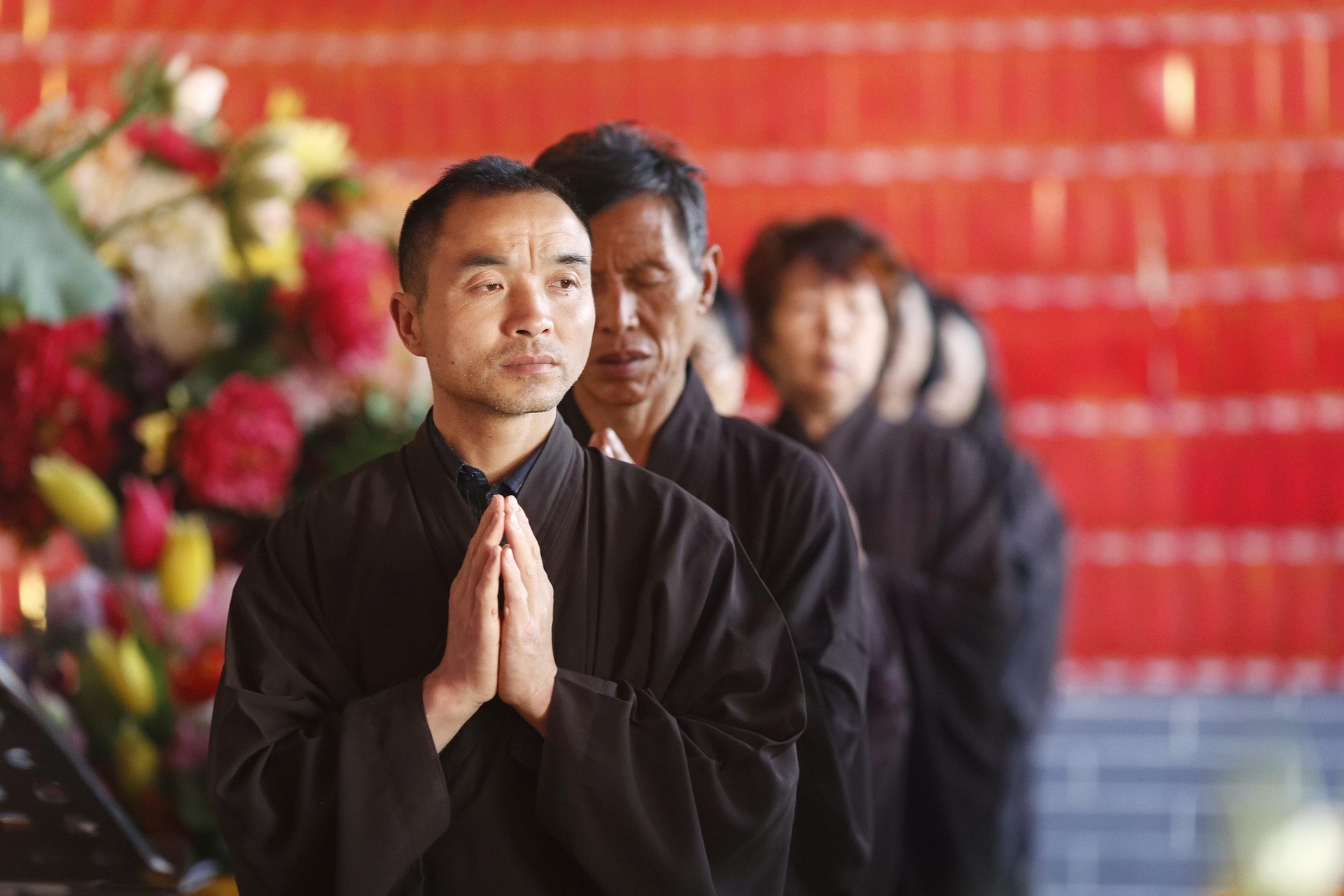

Perched on a hill overlooking the dynamic skyline of Malaysia’s capital, Thean Hou Temple stands as one of the most beautiful and culturally significant landmarks in the country. With its striking red pillars, intricate carvings, and rows of glowing lanterns, the temple is not only a place of worship but also a symbol of heritage, spirituality, and architectural brilliance.
Located in Kuala Lumpur, this six-tiered temple offers visitors a unique blend of religion, culture, and panoramic city views. Whether you are a traveler seeking cultural insight, a photographer chasing iconic visuals, or a spiritual seeker looking for tranquility, Thean Hou Temple delivers a deeply enriching experience.
The History Behind Thean Hou Temple
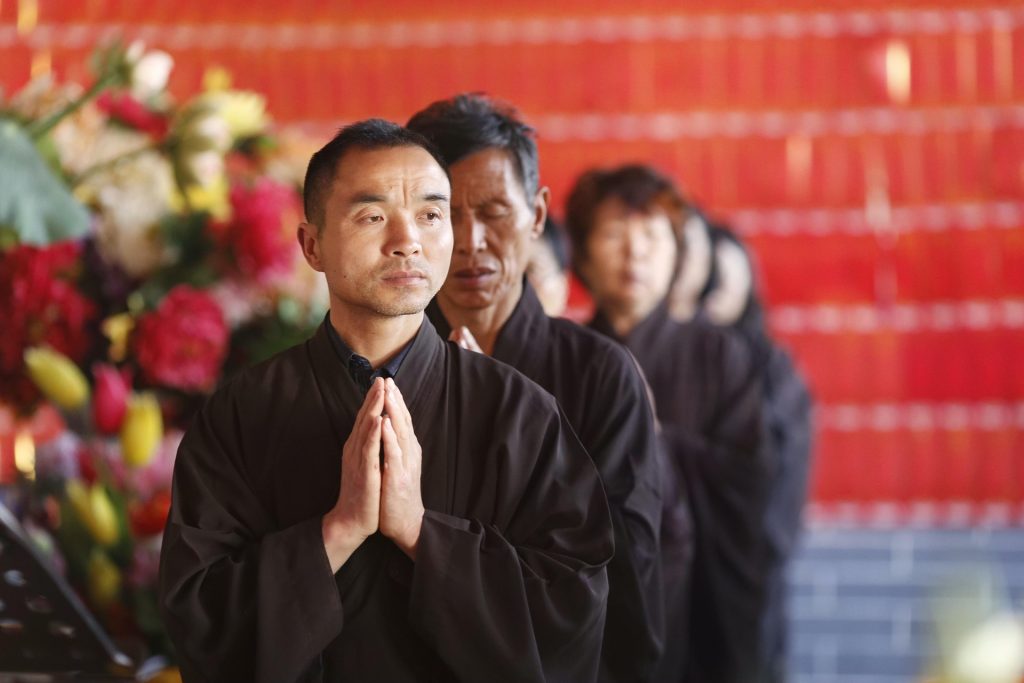
The story of Thean Hou Temple is closely tied to the Hainanese community in Malaysia. Built between 1981 and 1987 and officially opened in 1989, the temple was constructed by immigrants from Hainan, China, who settled in Malaysia and wanted to preserve their cultural and spiritual traditions.
The temple is dedicated primarily to Mazu, also known as Tian Hou or the Heavenly Mother, a revered sea goddess believed to protect fishermen and sailors. Historically, the Hainanese people depended heavily on the sea, and their devotion to Mazu reflects their reliance on her protection during voyages.
In addition to Mazu, the temple also honors other important deities such as Guanyin (the Goddess of Mercy) and Shui Wei Sheng Niang (the Goddess of the Waterfront). This multi-deity worship reflects a harmonious blend of spiritual beliefs.
Today, the temple is managed by the Selangor and Federal Territory Hainan Association and continues to serve as both a religious center and a cultural landmark.
Also read: 10 Best Places to Visit in Scotland for an Unforgettable Journey
A Fusion of Religions and Beliefs
One of the most fascinating aspects of Thean Hou Temple is its integration of three major philosophical and religious traditions:
- Buddhism
- Taoism
- Confucianism
This syncretic approach is deeply rooted in Chinese culture, where spiritual practices often overlap rather than exist in isolation. The temple serves as a place where followers of different traditions can come together, reflecting harmony and unity.
Visitors will notice that rituals, symbols, and teachings from these traditions coexist throughout the temple. This makes Thean Hou Temple not only a place of worship but also a representation of cultural coexistence.

Architectural Beauty and Design
Thean Hou Temple is widely regarded as one of the largest Chinese temples in Southeast Asia, and its architecture is nothing short of spectacular.
Traditional Meets Modern
Although the temple was built in the late 20th century, its design reflects traditional Chinese architectural styles. At the same time, modern construction techniques were used to create its large and durable structure.
Key Architectural Features
- Six-tiered structure: Symbolizing layers of spiritual elevation
- Grand entrance gate: Featuring red pillars, a color associated with prosperity and good fortune
- Ornate roofs: Adorned with curved edges and decorative elements
- Intricate carvings: Showcasing dragons, phoenixes, and mythological motifs
- Lantern displays: Especially vibrant during festivals
The combination of these elements creates a visually stunning environment that attracts visitors from around the world.
Exploring the Temple Grounds
The temple complex is divided into several levels, each serving a different purpose.
Prayer Hall
Located on the upper level, the prayer hall is the spiritual heart of the temple. It houses three main altars dedicated to Mazu, Guanyin, and Shui Wei Sheng Niang.
The hall is richly decorated with carvings, incense burners, and offerings, creating a serene and sacred atmosphere.
Courtyards and Lantern Areas
One of the most iconic features of the temple is its lantern-filled courtyards. Rows of red lanterns create a magical ambiance, especially during sunset and festive seasons.
Zodiac Garden
Visitors can explore statues representing the 12 animals of the Chinese zodiac, each accompanied by descriptions of their characteristics.
Wishing Well and Tortoise Pond
These tranquil areas provide a peaceful space for reflection. The tortoise pond, in particular, symbolizes longevity and wisdom in Chinese culture.
Herbal Garden
The Chinese medicinal herb garden offers insight into traditional healing practices and adds another layer of cultural depth to the visit.
Cultural and Religious Activities
Thean Hou Temple is not just a static attraction—it is a living cultural hub that hosts a variety of events throughout the year.
Chinese New Year Celebrations
During Chinese New Year, the temple becomes a vibrant spectacle filled with thousands of lanterns, decorations, and cultural performances. It is one of the most popular times to visit.
Mid-Autumn Festival
The temple hosts celebrations featuring lantern displays, mooncakes, and traditional performances, creating a festive and family-friendly atmosphere.
Wesak Day
As an important Buddhist festival, Wesak Day is observed with prayers, chanting, and offerings.
Birthday Celebrations of Deities
Special ceremonies are held to honor Mazu, Guanyin, and other deities, attracting devotees from across the region.
These events highlight the temple’s role as a center for both religious devotion and cultural preservation.
A Popular Spot for Weddings and Photography
Thean Hou Temple is also a popular venue for weddings and photography. Its scenic setting, elegant architecture, and symbolic significance make it an ideal location for couples.
The temple even offers marriage registration services, making it a meaningful place to begin a new chapter in life.
For photographers, the temple provides endless opportunities:
- Lantern-lit courtyards
- Ornate architectural details
- Panoramic city views
- Golden hour lighting
It is one of the most Instagram-worthy locations in Kuala Lumpur.
Best Time to Visit
Timing your visit can greatly enhance your experience.
Morning
- Fewer crowds
- Cooler weather
- Peaceful atmosphere for exploration
Late Afternoon to Sunset
- Ideal lighting for photography
- Stunning views of the city skyline
Evening
- Lanterns illuminate the temple
- Romantic and serene ambiance
Festival Periods
Visiting during major festivals offers a vibrant cultural experience, but expect larger crowds.
How to Get There
Thean Hou Temple is located on Robson Heights, making it easily accessible from central Kuala Lumpur.
Transportation Options:
- Taxi or ride-hailing services
- Public buses
- KTM commuter train (nearest station requires a short walk or ride)
Due to its hilltop location, the road can be steep, so many visitors prefer using cars or ride-hailing services.
Travel Tips for Visitors
To make the most of your visit, consider the following tips:
- Dress modestly as a sign of respect
- Visit early or on weekdays to avoid crowds
- Bring a camera for photography
- Stay hydrated, especially in warm weather
- Take time to explore all levels of the temple
Respectful behavior ensures a meaningful and enjoyable experience.
Also read: 10 Best Things to Do in Vietnam for a Journey You’ll Never Forget
Why Thean Hou Temple Is a Must-Visit
What makes Thean Hou Temple truly special is its ability to offer something for everyone.
- For travelers: A cultural and architectural landmark
- For photographers: A visually stunning location
- For spiritual seekers: A place of peace and reflection
- For families: An educational and engaging destination
It is a rare place where history, culture, and spirituality come together seamlessly.
The Cultural Significance of Thean Hou Temple
Beyond its beauty, Thean Hou Temple represents the identity and heritage of the Chinese community in Malaysia. It stands as a testament to the resilience of immigrant communities who preserved their traditions while adapting to a new environment.
The temple also reflects Malaysia’s multicultural identity, where diverse cultures and religions coexist harmoniously. It serves as a reminder of the importance of cultural preservation in a rapidly modernizing world.
Conclusion
Thean Hou Temple is more than just a place of worship it is a cultural treasure that captures the essence of Kuala Lumpur’s diversity and history. From its rich heritage and spiritual significance to its breathtaking architecture and vibrant festivals, the temple offers an experience that is both enlightening and unforgettable.
Whether you are exploring the city for the first time or returning for another visit, Thean Hou Temple is a destination that should not be missed. It invites you to slow down, appreciate beauty, and connect with a deeper sense of culture and tradition.
In a city known for its modern skyline, Thean Hou Temple stands as a timeless reminder of the past gracefully bridging tradition and modernity in one extraordinary place.


I'm a manager of Jungle Inn Hotel in Bukit Lawang and a leading expert in Bukit Lawang eco-travel. With years of experience in sustainable tourism, i am dedicated to preserving the region’s rich biodiversity while providing authentic jungle experiences for visitors.