
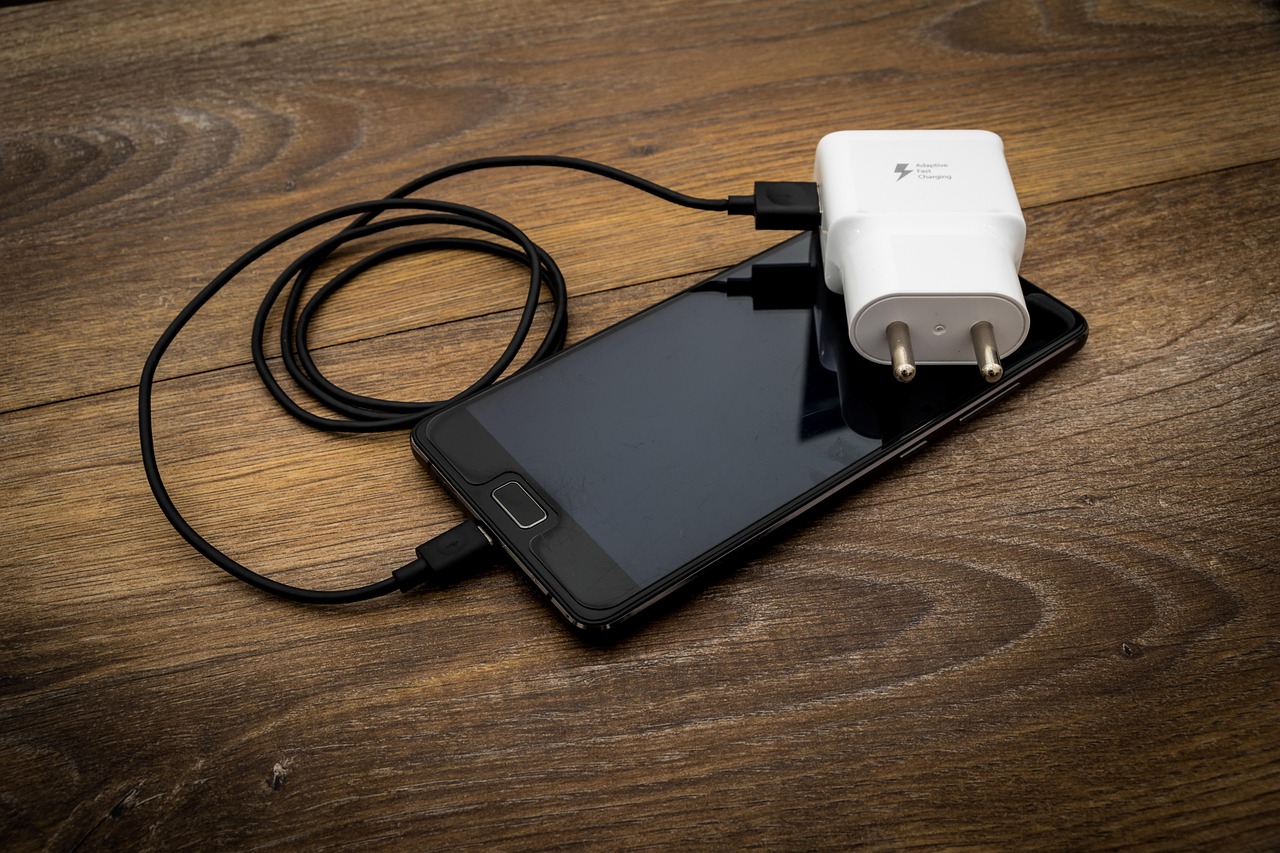

In today’s increasingly connected world, traveling without electronic devices is almost unimaginable. Smartphones, laptops, cameras, tablets, and smartwatches have become essential companions for navigation, communication, work, and entertainment. However, many travelers overlook one small yet critical item until it is too late: the travel adapter. Understanding what a travel adapter is, how it works, and when you need one can save you from frustration, damaged devices, and unnecessary expenses during your trip.
This guide explains everything you should know about travel adapters, including how they differ from voltage converters, how to choose the right one, and common mistakes travelers make when using them.
What Is a Travel Adapter?
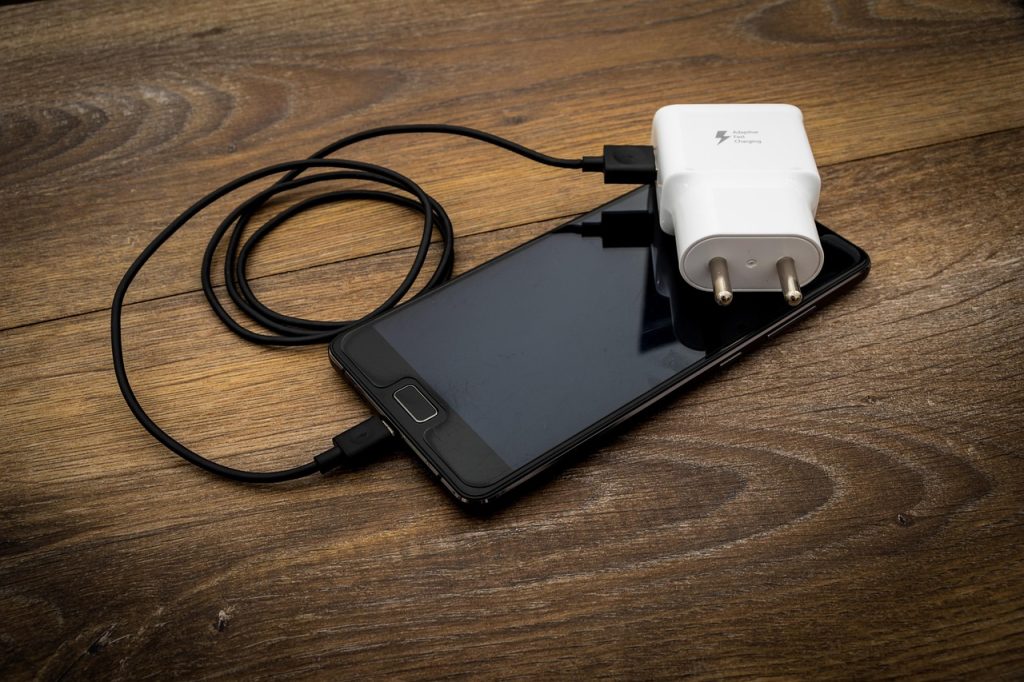
A travel adapter is a compact device that allows you to plug your electronic device into an electrical outlet in a foreign country. Since electrical outlet shapes and plug designs vary around the world, a travel adapter acts as a bridge between your device’s plug and the local power socket.
It is important to understand that a travel adapter does not change the voltage or electrical current. Its sole purpose is to adapt the physical shape of your plug so it fits into a different type of outlet.
For example, if your device has a two-flat-pin plug designed for North America and you travel to a country that uses round-pin sockets, a travel adapter allows the plug to fit but the electricity flowing through remains unchanged.
Also read: Top 10 Lombok Hostels for Digital Nomads and Remote Workers
Why Travel Adapters Are Necessary
Electrical outlets are not standardized globally. Different countries use different plug shapes, pin arrangements, and socket designs, largely due to historical and regional standards. As a result, a plug from one country often cannot be inserted into an outlet in another without an adapter.
Travel adapters are necessary because:
- They allow safe physical connection to foreign outlets
- They prevent damage to plugs and sockets
- They reduce the risk of loose connections or sparks
- They make charging devices convenient and reliable
Without a travel adapter, travelers may be unable to charge essential devices, especially in regions where their home-country plug is incompatible.

Common Types of Plug Designs Around the World
Globally, there are several commonly used plug types. While the technical classifications are standardized, travelers usually recognize them by shape:
- Flat pin plugs – Common in North America and parts of Asia
- Round pin plugs – Common in Europe, South America, and parts of Africa
- Angled flat pin plugs – Common in Australia and New Zealand
- Three-pin grounded plugs – Used in many countries for higher safety
Some countries use multiple outlet types, while others strictly adhere to one standard. Because of this variation, travelers visiting multiple countries often need more than one adapter or a universal solution.
Travel Adapter vs Voltage Converter: Key Differences
One of the most common travel mistakes is confusing a travel adapter with a voltage converter. While they are sometimes sold together, they serve entirely different purposes.
Travel Adapter
- Changes plug shape only
- Does not alter voltage or frequency
- Safe for devices that support multiple voltages
- Lightweight and compact
Voltage Converter
- Changes electrical voltage
- Necessary for devices that only support one voltage
- Typically heavier and bulkier
- Used mainly for high-power appliances
Most modern electronics such as phones, laptops, tablets, and cameras are dual-voltage, meaning they can operate safely across a wide voltage range. For these devices, a travel adapter is usually sufficient.
Understanding Voltage and Frequency
Different countries supply electricity at different voltages and frequencies. The two most common systems are:
- 110–120 volts / 60 Hz – Common in North America
- 220–240 volts / 50 Hz – Common in Europe, Asia, Africa, and Australia
Many modern chargers are labeled with a range such as “100–240V,” indicating they can safely operate worldwide. If your device supports this range, you only need a travel adapter not a converter.
Devices that often do not support dual voltage include:
- Hair dryers
- Curling irons
- Straighteners
- Electric shavers
- Some older appliances
Using these devices without a proper voltage converter can cause overheating, damage, or complete failure.
Universal Travel Adapters Explained
A universal travel adapter is designed to work in multiple countries by incorporating several plug configurations into one compact unit. These adapters often feature sliding or folding pins that adapt to different outlet types.
Advantages of Universal Travel Adapters
- One adapter for many destinations
- Ideal for multi-country trips
- Compact and space-saving
- Often includes USB charging ports
Limitations
- Usually bulkier than single-plug adapters
- Not always compatible with every outlet variation
- Some models are not designed for high-power devices
Universal adapters are especially useful for frequent travelers, digital nomads, and business travelers who visit multiple regions in a single journey.
USB Travel Adapters and Charging Ports
Many modern travel adapters now include USB-A and USB-C ports, allowing travelers to charge devices without using separate charging bricks. This feature is particularly useful for phones, tablets, wireless earbuds, and smartwatches.
Benefits of USB-enabled adapters include:
- Fewer cables and chargers to pack
- Ability to charge multiple devices simultaneously
- Compatibility with modern fast-charging standards
However, travelers should ensure the adapter supports the power output required by their devices, especially for fast-charging smartphones and laptops.
Grounding and Safety Considerations
Some devices use grounded plugs with three pins, designed to reduce electrical shock risk. Not all travel adapters support grounding, and using an ungrounded adapter with a grounded device may reduce safety.
When choosing a travel adapter, consider:
- Whether it supports grounded plugs
- Build quality and heat resistance
- Presence of safety shutters
- Certifications or safety standards
While adapters are generally safe for low-power electronics, poor-quality adapters can overheat or loosen in sockets, increasing risk.
When You Do Not Need a Travel Adapter
There are situations where a travel adapter may not be necessary:
- Your destination uses the same plug type as your home country
- Your accommodation provides universal sockets
- You rely entirely on USB charging ports
- You use power banks instead of wall outlets
However, travelers should not rely solely on accommodations offering compatible outlets, as availability varies widely.
Common Mistakes Travelers Make
Despite their simplicity, travel adapters are often misused. Common mistakes include:
- Assuming an adapter converts voltage
- Plugging high-power appliances into adapters
- Buying adapters without checking destination plug types
- Using low-quality adapters that overheat
- Forgetting adapters entirely
These mistakes can lead to damaged devices, blown fuses, or complete inability to charge essential electronics.
How to Choose the Right Travel Adapter
When selecting a travel adapter, consider the following factors:
Destination Countries
Research the plug types used in your destination and any transit countries.
Device Compatibility
Check voltage requirements on your devices to determine whether you need an adapter only or an adapter with a converter.
Number of Devices
Choose an adapter with multiple ports if you carry several electronics.
Travel Frequency
Frequent travelers benefit from universal adapters, while occasional travelers may prefer destination-specific ones.
Build Quality
Select adapters made from heat-resistant materials with secure connections.
Also read: Night Walks in Bukit Lawang: See the Jungle’s Nocturnal Creatures
Travel Adapters for Business and Remote Work
For business travelers and remote workers, a reliable travel adapter is essential. Laptops, external monitors, and mobile hotspots require stable power, making adapter quality especially important.
Many professionals choose adapters with:
- USB-C Power Delivery
- Surge protection
- Compact but sturdy designs
A dependable adapter can prevent work disruptions and protect valuable equipment.
Travel Adapters and Sustainability
As travel becomes more frequent, sustainability matters. Choosing a durable, multi-use adapter reduces electronic waste and the need for disposable or single-use solutions.
Some travelers also pair adapters with:
- Rechargeable power banks
- Solar chargers
- Energy-efficient devices
These choices minimize environmental impact while improving travel convenience.
Final Thoughts
A travel adapter may be one of the smallest items in your luggage, but its importance cannot be overstated. It ensures that your essential devices remain functional, connected, and safe wherever you travel. Understanding the difference between adapters and converters, knowing your device requirements, and choosing the right adapter can prevent unnecessary stress and equipment damage.
In an era where digital connectivity supports navigation, safety, communication, and productivity, a reliable travel adapter is no longer optional, it is a fundamental travel essential. By preparing properly and choosing wisely, you can travel confidently, knowing that staying powered up will never be a problem.


Steven Liddell
I am an insightful travel analyst, writer, and global adventurer whose work blends deep analytical thinking with a passion for understanding the world’s cultures, landscapes, and human stories. With years of experience exploring both well-known destinations and remote corners of the globe, i have developed a unique ability to examine travel through the lenses of culture, economics, sustainability, and human behavior.
My writing goes beyond simple storytelling, i am known for my thoughtful analysis of travel trends, destination development, and the evolving relationship between people and place. From studying how tourism impacts local communities to documenting transformative journeys across continents, my work delivers clarity, perspective, and meaningful insight to readers seeking more than surface-level travel content.
