


Nestled in the heart of the Philippines, far from the bustling metropolises and the crowds of commercial beach resorts, lies Sibuyan Island—a mystical, almost otherworldly paradise often referred to as the “Galápagos of Asia.” With its dramatic mountain peaks, ancient forests, emerald rivers, and vibrant local communities, Sibuyan remains one of the country’s least explored but most ecologically significant islands. But where exactly is Sibuyan Island, and why does it hold such an important place in the hearts of conservationists, adventurers, and cultural enthusiasts?
This article will take you on a comprehensive journey to uncover everything you need to know about Sibuyan Island: its geographical location, cultural roots, biodiversity, how to get there, and what to expect once you arrive.
Where Is Sibuyan Island Located?
Sibuyan Island is part of the Romblon province in the MIMAROPA Region (an acronym for Mindoro, Marinduque, Romblon, and Palawan) of the Philippines. Geographically, it is situated in the central part of the archipelago, bounded by the Sibuyan Sea to the east, which separates it from Panay and Masbate islands.
Sibuyan is roughly equidistant from Luzon and the Visayas, making it somewhat remote but centrally located. It lies southeast of Marinduque and northwest of Panay Island. The island is one of three major islands that make up the province of Romblon — the others being Tablas and Romblon Island.
Geological Significance: An Island Born of Isolation
One of the reasons Sibuyan is so unique is because it has never been connected to any part of the Philippine mainland, not even during the ice ages when sea levels were lower. This geographical isolation has allowed for a remarkable evolution of flora and fauna, many of which are found nowhere else in the world.
Also read: 12 Beaches in Spain That Will Take Your Breath Away
The island is dominated by Mount Guiting-Guiting, a jagged peak rising to 2,058 meters above sea level. Its name means “jagged” in the local dialect, referring to the razor-sharp ridges that define its summit. The mountain and its surrounding forest are part of the Mount Guiting-Guiting Natural Park, a protected area renowned for its biodiversity and ecological importance.
Ecological Marvel: The Galápagos of Asia
Sibuyan Island has earned the nickname “Galápagos of Asia” because of its extremely rich biodiversity and high rate of endemic species. Scientists have recorded over 700 vascular plant species, with more than 100 species endemic to the island. One of the most famous discoveries is the Nepenthes sibuyanensis, a tropical pitcher plant found only on Mount Guiting-Guiting.
The island is also home to several rare and endangered animals, including:
- The Philippine Hawk-Eagle
- The Philippine Warty Pig
- The Sibuyan Striped Shrew-Rat (endemic)
- Several species of geckos, frogs, and butterflies found nowhere else on earth
The forest ecosystems, ranging from mossy forests to dipterocarp forests, are among the most pristine in the Philippines. Logging is highly restricted, and much of the local population is engaged in efforts to protect their natural heritage.

Cultural and Historical Background
Sibuyan is not just a natural wonder—it’s also a culturally rich island inhabited predominantly by Sibuyanon-speaking people, an ethnolinguistic group related to the Visayans. The island is divided into three municipalities:
- Magdiwang (northwest)
- San Fernando (southeast)
- Cajidiocan (northeast)
Each municipality has its own set of traditions, festivities, and folklore. The communities are largely agricultural, with farming and fishing as primary sources of livelihood. Despite modernization efforts, many Sibuyanons maintain traditional practices and celebrate vibrant local fiestas rooted in Catholic and animist traditions.
How to Get to Sibuyan Island
Getting to Sibuyan Island requires a bit of effort, which partly explains its lack of mass tourism. Here’s a general travel guide:
Option 1: From Manila
- Step 1: Take a bus or flight to Batangas Port.
- Step 2: Ride a ferry to Romblon or Odiongan (Tablas Island) — usually overnight.
- Step 3: From Romblon or Tablas, transfer to another ferry to Sibuyan Island, typically docking at Magdiwang or San Fernando.
Option 2: From Boracay/Kalibo (Panay Island)
- Travel to Caticlan Jetty Port
- Take a ferry to Romblon or directly to Sibuyan (check current schedules)
Due to the complex ferry system, it’s important to check ferry schedules in advance as they can change due to weather conditions or maintenance.
Best Time to Visit
The ideal time to visit Sibuyan Island is during the dry season, typically from November to May. During these months, the seas are calmer, and mountain trekking is safer. The rainy season (June to October) can make travel more difficult and trails slippery, especially if you plan to hike Mount Guiting-Guiting.
Top Things to Do in Sibuyan Island
1. Trek Mount Guiting-Guiting
This is Sibuyan’s crown jewel. It’s a challenging, multi-day hike recommended only for experienced mountaineers. The summit offers spectacular panoramic views and a rugged landscape unlike any other.
2. Visit Cantingas River
Located in San Fernando, the Cantingas River is considered one of the cleanest rivers in the Philippines. You can swim in its crystal-clear waters and enjoy cliff diving into natural pools.
3. Explore Cresta de Gallo
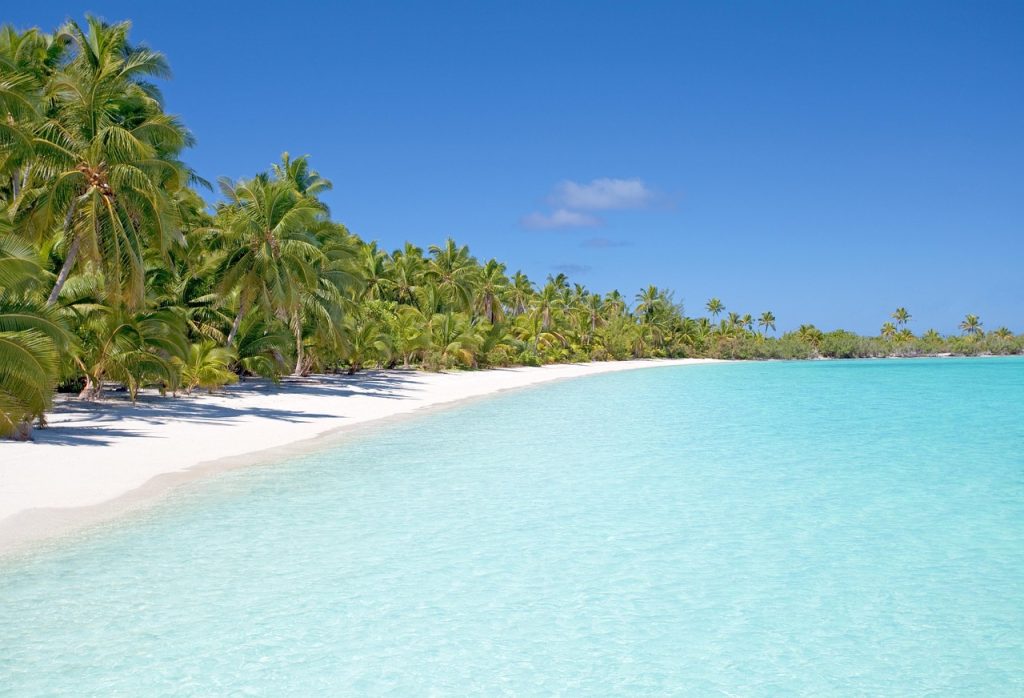
A small, uninhabited islet south of Sibuyan, Cresta de Gallo is a paradise of white sand and turquoise waters. It’s perfect for island-hopping, snorkeling, or simply relaxing in a serene setting.
4. Go Waterfall Chasing
- Busay Falls in Magdiwang
- Dagubdob Falls in San Fernando (consisting of multiple cascades)
These spots offer refreshing waters, picnic areas, and scenic forested trails.
5. Experience Local Life
Join a community-based eco-tourism program, visit local farms, or participate in traditional weaving and cooking. Engage with the friendly locals and gain a deeper understanding of Sibuyan’s way of life.
Accommodation and Amenities
While Sibuyan does not have high-end resorts, there are several eco-lodges, homestays, and inns offering comfortable accommodations:
- San Fernando: Most popular base for tourists, with river and mountain access
- Magdiwang: Ideal for those trekking Mount Guiting-Guiting
- Cajidiocan: Quieter, great for cultural immersion
Electricity may be limited in some areas, and mobile signal is present but not always reliable. This adds to the island’s “digital detox” charm.
Also read: 7 Exotic Tropical Destinations for Your Dream Getaway
Travel Tips and Reminders
- Bring cash: There are limited ATMs, and card payments are rarely accepted.
- Pack eco-friendly products: Respect the pristine environment by minimizing waste.
- Local guides are essential: Especially for mountain treks and remote area visits.
- Respect traditions and customs: Ask permission before photographing locals or sacred sites.
- Be patient and flexible: Weather and boat schedules can be unpredictable.
Why Visit Sibuyan Island?
Sibuyan Island is not for everyone—and that’s precisely why it remains so special. It’s a place for intrepid travelers, nature lovers, and cultural seekers who wish to see the Philippines beyond the usual tourist trail. It represents what sustainable, authentic travel can look like: immersive, respectful, and transformational.
Conclusion
In a world dominated by over-tourism and Instagrammable destinations, Sibuyan Island stands apart as a beacon of untouched beauty and ecological significance. Whether you come to climb its majestic peaks, immerse in its culture, or simply lose yourself in the melody of its rivers and forests, Sibuyan leaves a mark on the soul.Far more than a dot on the map, Sibuyan is a living, breathing sanctuary — one that invites us to slow down, look closer, and reconnect with the natural and cultural richness that defines the Philippines at its finest.


I'm a manager of Jungle Inn Hotel in Bukit Lawang and a leading expert in Bukit Lawang eco-travel. With years of experience in sustainable tourism, i am dedicated to preserving the region’s rich biodiversity while providing authentic jungle experiences for visitors.